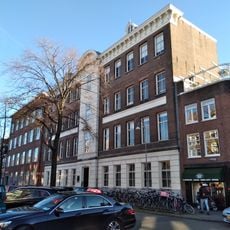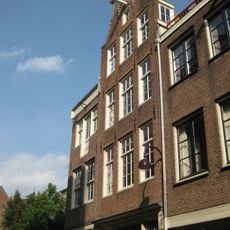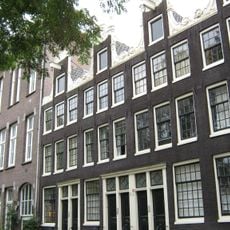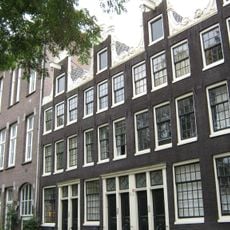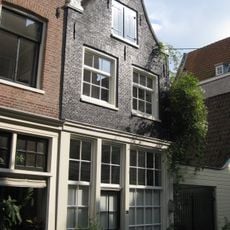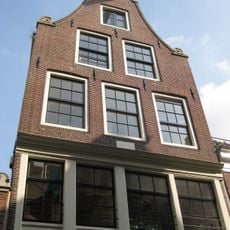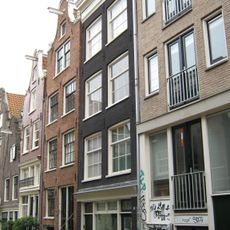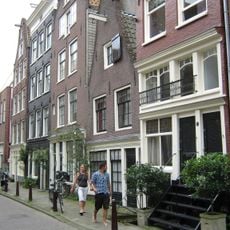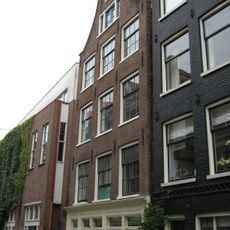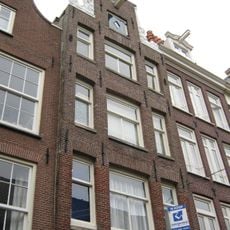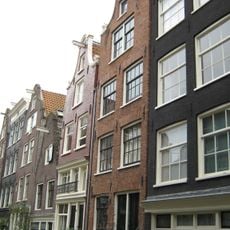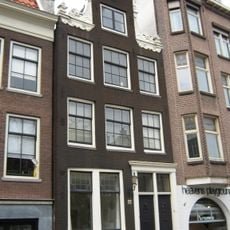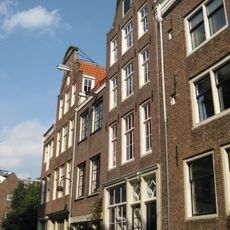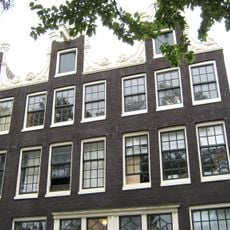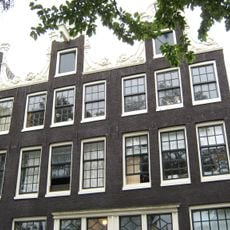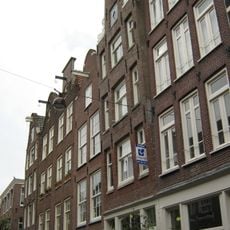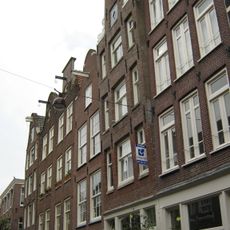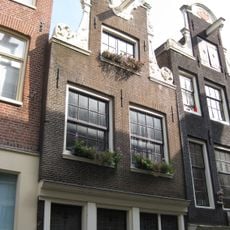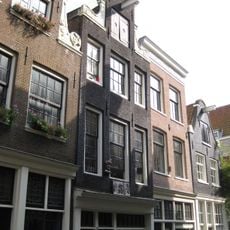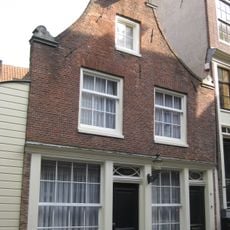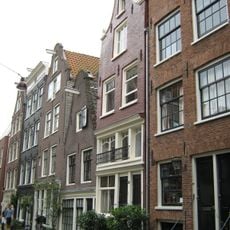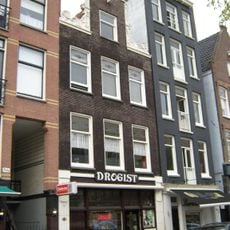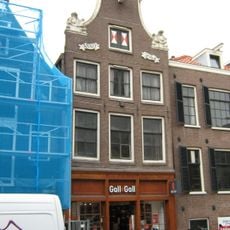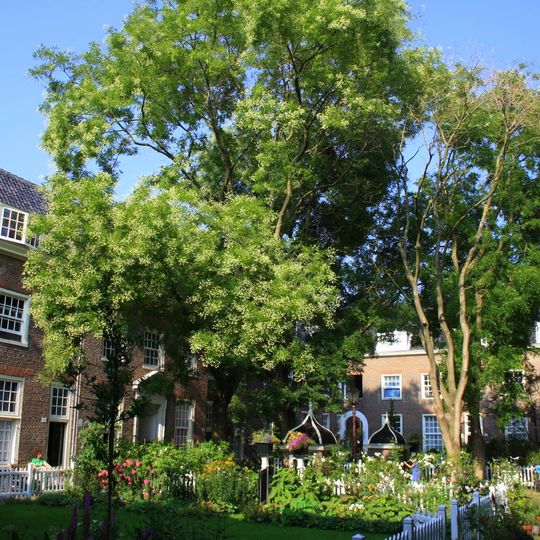
Huiszittenweduwenhof, Historical residential courtyard in Jordaan, Netherlands.
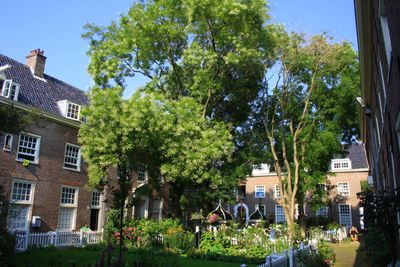
Huiszittenweduwenhof is a residential complex with four wings arranged around a central courtyard featuring two domed water pumps and white drying poles attached to street-facing windows. The complex was renovated in 1986 and today contains approximately 65 residential units.
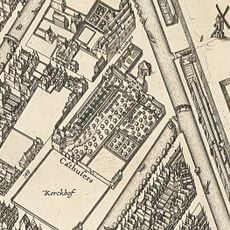
The complex was designed by architect Daniel Stalpaert in 1650 and replaced the former Saint Andrew's Carthusian monastery that had been destroyed in 1566. Its creation reflected the merchant class's commitment to supporting widows in need.
The name reflects its original purpose as housing for poor widows, a form of community support common in Dutch towns. Residents used the white drying poles daily, making this detail part of the everyday rhythm of life in the courtyard.
The courtyard is partially visible from the street but entering the interior typically requires advance arrangement. The location is best reached on foot and sits in a well-connected neighborhood with easy access to public transportation.
The white drying poles on the windows were so characteristic that locals affectionately called the street Droogstokkenstraatje, meaning Little Drying Pole Street. This nickname reveals how physical details can define the character of an entire neighborhood.
The community of curious travelers
AroundUs brings together thousands of curated places, local tips, and hidden gems, enriched daily by 91,267 contributors worldwide.