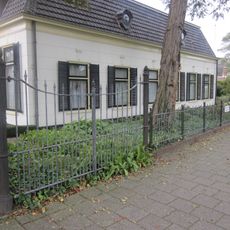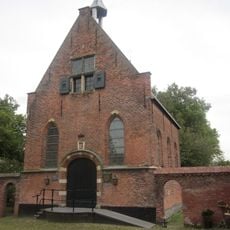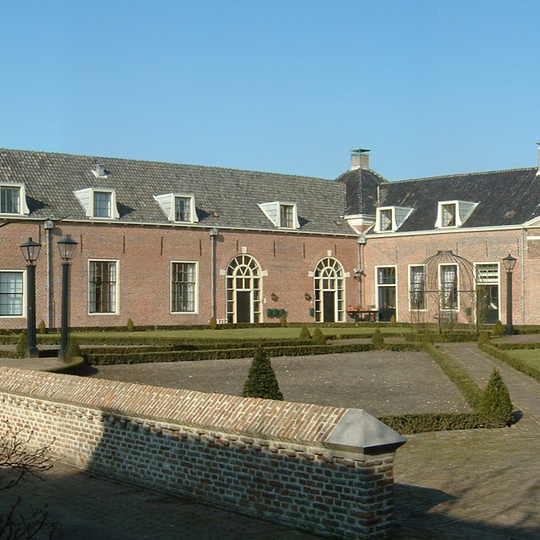
Huis Honselaarsdijk, Dutch Baroque château in Honselersdijk, Netherlands
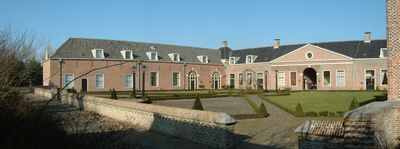
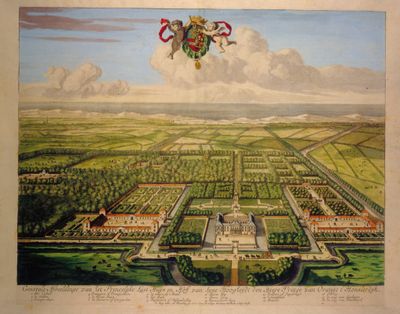
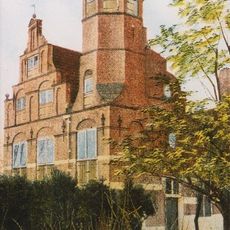
Huis Honselaarsdijk was a Baroque palace in Westland with a rectangular layout and corner pavilions linked by galleries around a central courtyard. The complex was surrounded by a moat and featured extensive gardens containing orchards, vegetable beds, and ponds for fish farming.
The medieval castle was purchased in 1612 by Frederick Henry and rebuilt between 1621 and 1647 under architect Jacob van Campen. After 1795 the structure served as a prison and hospital before King William I ordered its demolition in 1815.
The palace embodied Dutch prosperity and power during the Golden Age, with lavish rooms that displayed the owner's wealth and taste. The surrounding estate and gardens reflected the sophisticated lifestyle of the period's elite.
The palace's location near The Hague made it convenient for regular access by the rulers. The gardens were carefully designed to produce fresh food year-round, requiring extensive planning and daily care from a dedicated workforce.
The palace was more than a royal residence, it functioned as a center for political strategy during the Netherlands' rise to global importance. Its interiors featured ambitious illusionistic frescoes that were painted to create optical illusions and impress influential visitors.
The community of curious travelers
AroundUs brings together thousands of curated places, local tips, and hidden gems, enriched daily by 91,489 contributors worldwide.