Leeuwenmolen, watermill in Maastricht, Netherlands
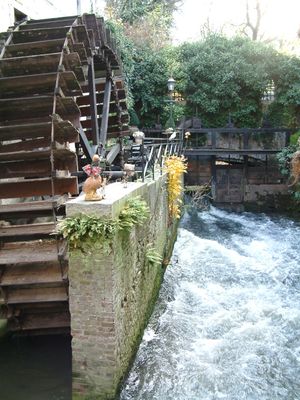
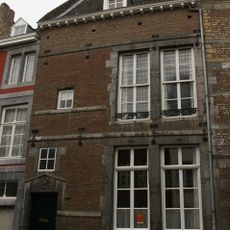
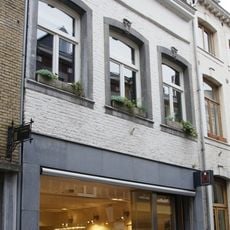
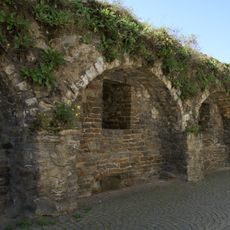
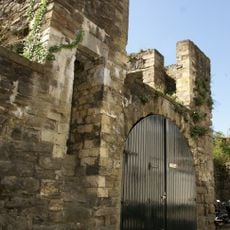
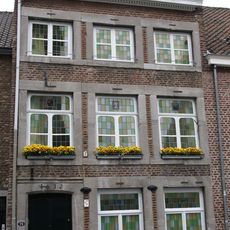
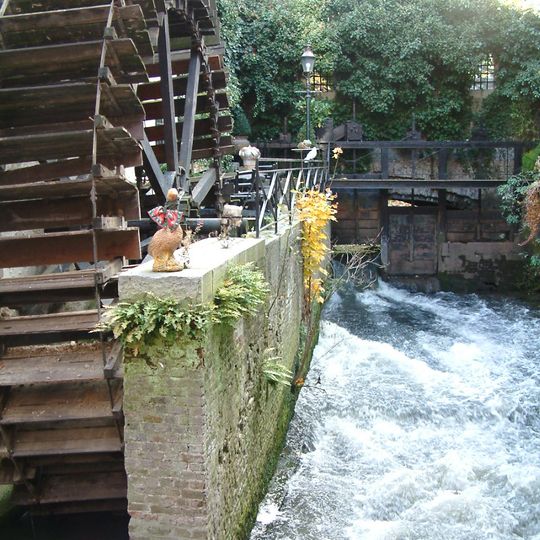
The Leeuwenmolen is a watermill in Maastricht located along Sint Pieterstraat next to the Jeker river. Built from mergelstone and brick with whitewashed walls, the structure features a peaked roof and a narrow stone archway at its entrance, while inside wooden and cast iron wheel mechanisms remain from its milling past.
Built in 1694, the mill originally served as both a grain and tanning mill with two large water wheels operating alongside other mills on the Jeker. Operations ceased in 1956 as modern food production methods reduced demand, though restoration efforts in the 1970s preserved its structure for future generations.
The mill is named after the stone lion figure that once stood on its gable, symbolizing strength and protection for the city. This emblem remains part of local memory and connects the building to Maastricht's sense of heritage.
The mill is easily accessible from Sint Pieterstraat and can be visited by walking along the Jeker riverbank, which is a pleasant route through the city center. Access is generally free, and the exterior is always visible, though interior viewing depends on occasional opening times.
During World War II, the mill became a vital operation in the final war years, helping the city supply bread to residents facing severe food shortages. This critical wartime role is often overlooked by visitors exploring the site today.
The community of curious travelers
AroundUs brings together thousands of curated places, local tips, and hidden gems, enriched daily by 60,000 contributors worldwide.