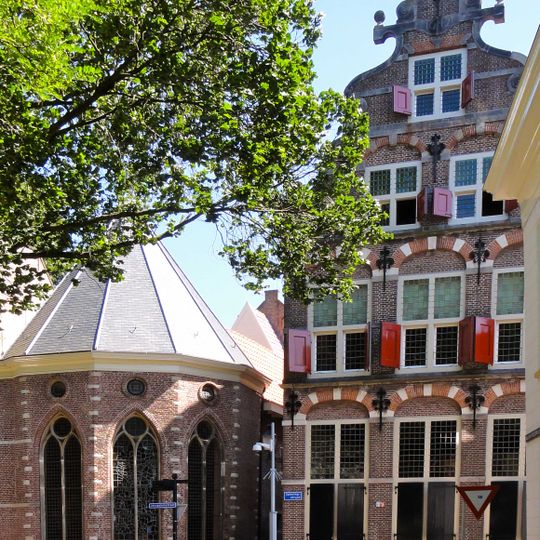
Weeshuis, Historic orphanage and Rijksmonument in Gouda, Netherlands.
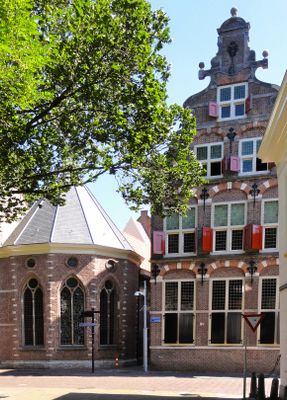
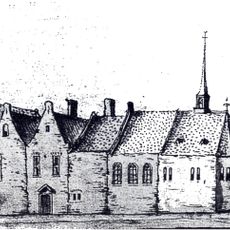
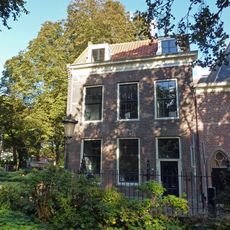
The Weeshuis is a rectangular structure with elevated corner pavilions, natural stone portal frames, and an entrance fronton decorated with festoon ornaments. The building features classical Dutch architecture from the late 18th century and now serves as part of the municipal administration office.
Built between 1779 and 1782, this structure served as a refuge for orphaned children during a period of social transformation in Dutch society. The construction occurred when the Netherlands was modernizing and formalizing its social institutions.
The Regentenkamer displays original gold leather wallpaper and an 18th-century ceiling that reflect Dutch craftsmanship of that era. The room with its decorated fireplace shows how elegance was maintained even in social institutions.
The building now serves as part of municipal administration, and visitors can explore publicly accessible areas such as the Regentenkamer. It is advisable to plan your visit ahead, as access to rooms may be limited.
Two statues at the central facade depict an orphan boy and girl, marking the building's former purpose as a children's home. These figures stand as reminders of the children who once lived within these walls.
The community of curious travelers
AroundUs brings together thousands of curated places, local tips, and hidden gems, enriched daily by 92,595 contributors worldwide.