Groenburgwal, Canal and street in Amsterdam, Netherlands
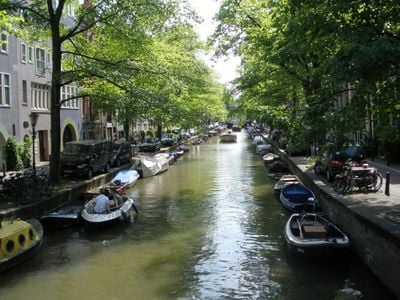
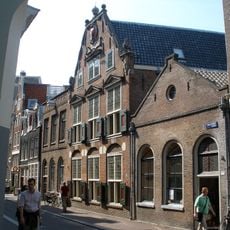
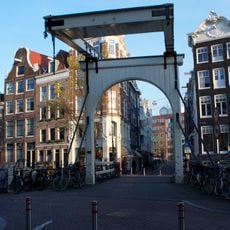
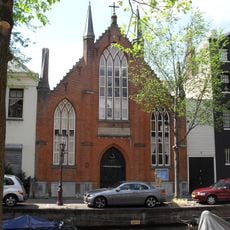
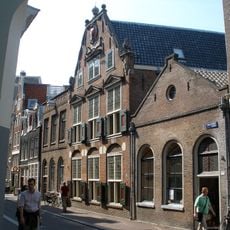
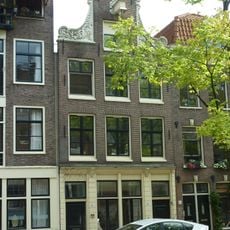
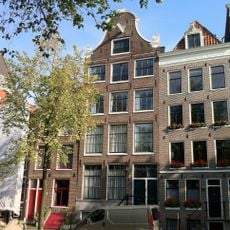
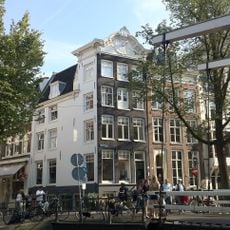
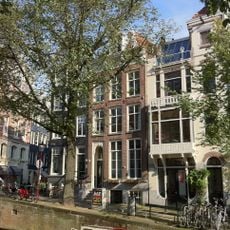
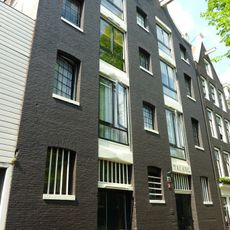
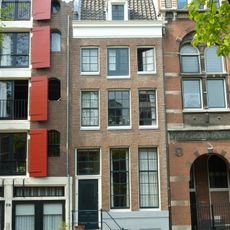
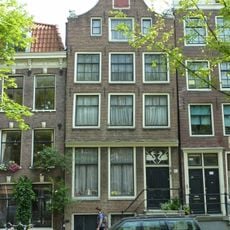
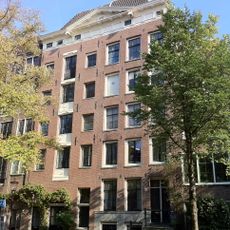
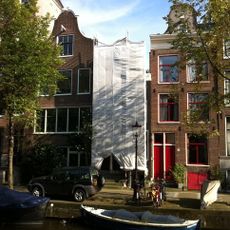
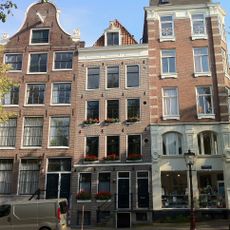
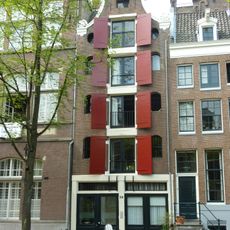
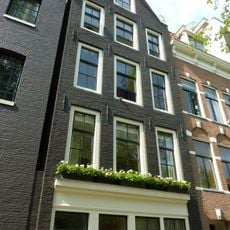
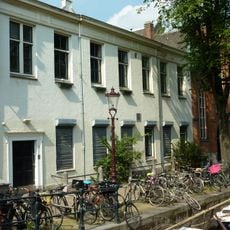
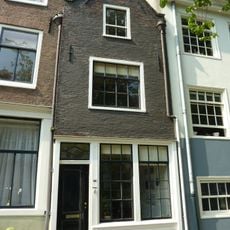
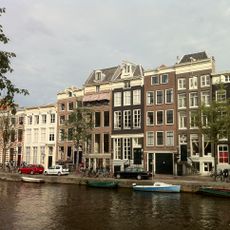
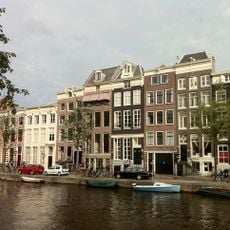
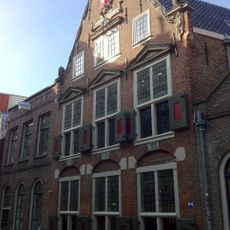
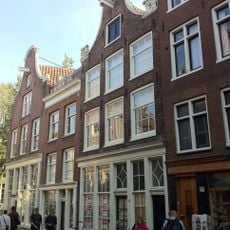
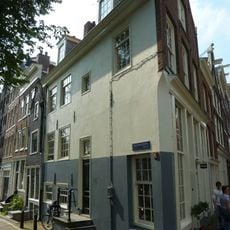
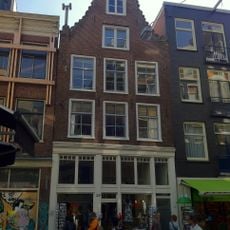
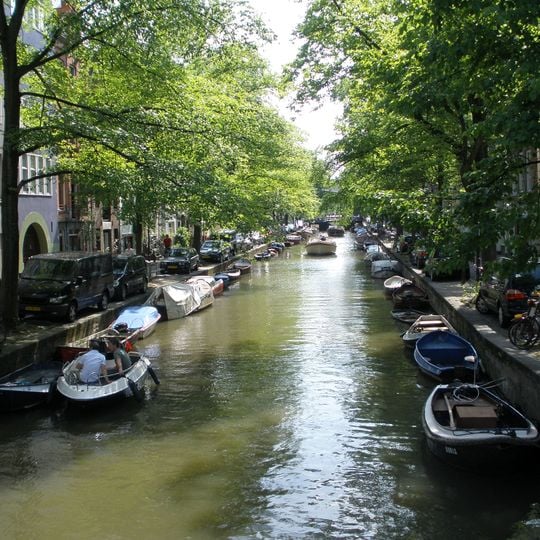
Groenburgwal is a narrow canal and adjoining street in the old center of Amsterdam, linking the Raamgracht with the Amstel river. Along its quiet course stand aged brick houses, small stone and wooden bridges, and a neo-Gothic church whose pointed forms catch the eye from the water's edge.
The canal took shape as Amsterdam grew beyond its old walls in the late 1500s, when the surrounding land was used for washing and preparing wool. Its name came from the dyers who made green coloring there during the following century.
The name of this waterway points to the green dye used by cloth workers who once lived and labored in the surrounding streets. Today visitors can notice how neighboring lane names such as Raamgracht and Verversstraat still recall those old textile trades, weaving a living link between the present and the craft traditions of the district.
Walking is the easiest way to move along the water, since the paving and narrow lanes make cycling less comfortable here. Mornings and late afternoons tend to be quieter, offering a slower pace for taking in the old buildings and bridge crossings.
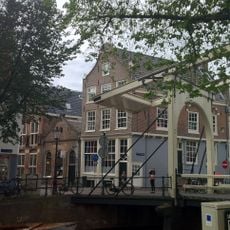
The French painter Claude Monet chose this modest waterway for a canvas in the late 1800s, capturing the Zuiderkerk and the changing light on the water. A wooden drawbridge by Staalstraat still stands close to the spot that inspired that quiet scene.
The community of curious travelers
AroundUs brings together thousands of curated places, local tips, and hidden gems, enriched daily by 92,412 contributors worldwide.