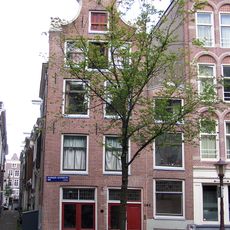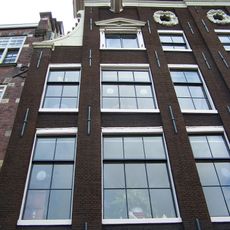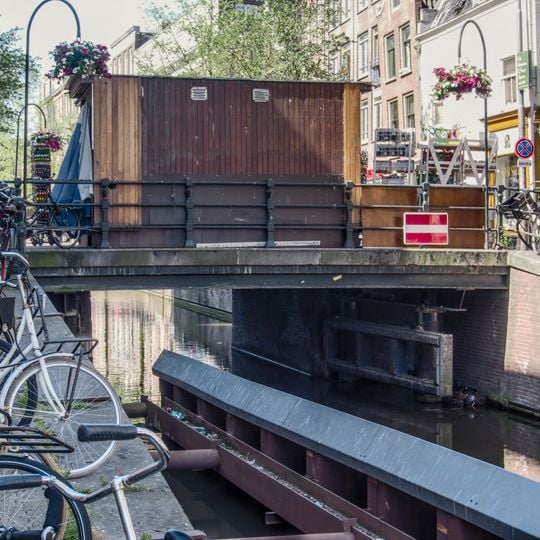
Paulusbroedersluis, Bridge in Amsterdam, Netherlands
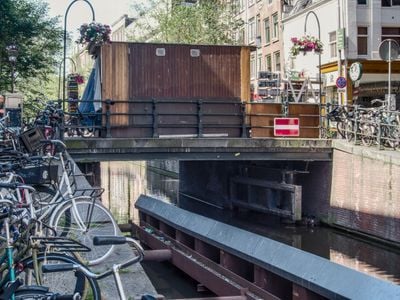
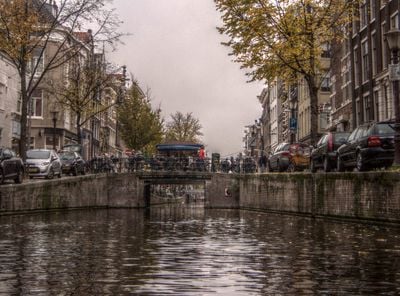
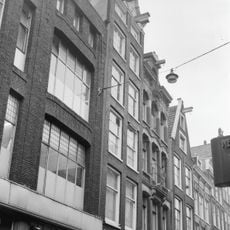
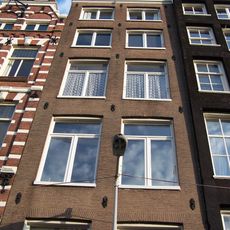
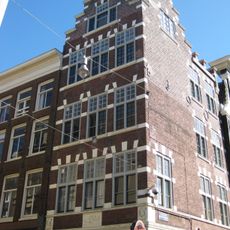
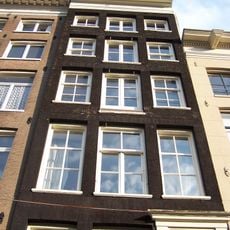
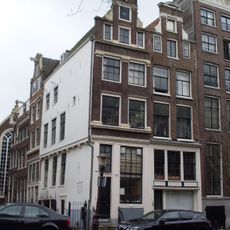
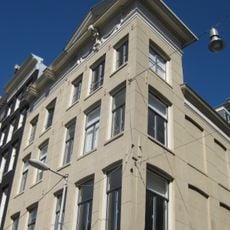
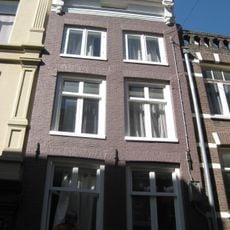
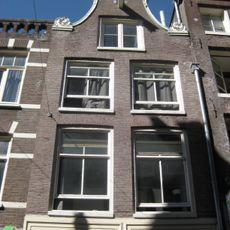
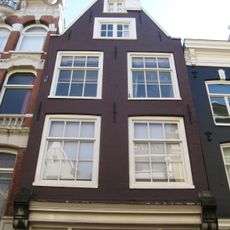
Paulusbroedersluis is a small, functional bridge in central Amsterdam, crossing the Oudezijds Achterburgwal canal between Oude Doelenstraat and Oude Hoogstraat. Its simple metal and stone form sits low over the water, with handrails and a flat deck that matches the old buildings on either side.
A bridge stood on this spot as early as the 16th century, and the current structure was built in 1745, with the year carved into two small stones on its north side. In 1869 the city made it wider and lower, adding iron supports and a new wooden deck under the direction of architect Bastiaan de Greef.
The name comes from a nearby medieval monastery, the Sint-Paulusbroederklooster, whose presence still lingers in the street pattern near the water. Today the crossing feels like part of everyday shopping life, with locals and visitors moving between storefronts and café terraces without pausing to notice the bridge itself.
The bridge is easiest to cross on foot or by bicycle, since the surrounding streets are mainly for pedestrians and slow traffic. Expect a steady flow of people during shopping hours, and be ready to walk your bike if the deck gets crowded.
Despite its name ending in 'sluis', meaning sluice or lock, there was never any kind of water control mechanism here. In the summer of 2020, workers discovered part of the foundation was breaking apart, so a temporary walkway and support beams were added until the crossing could be safely reopened.
The community of curious travelers
AroundUs brings together thousands of curated places, local tips, and hidden gems, enriched daily by 92,669 contributors worldwide.