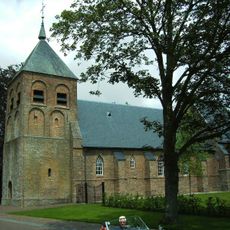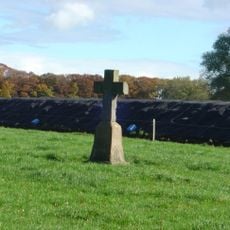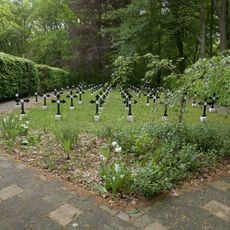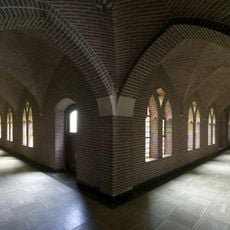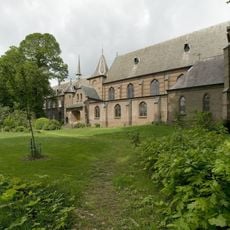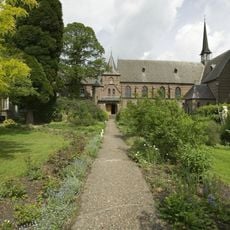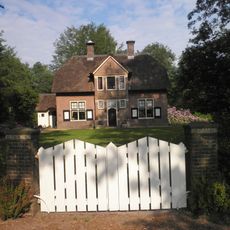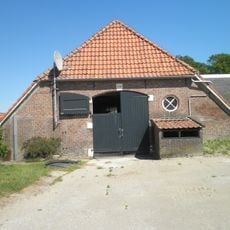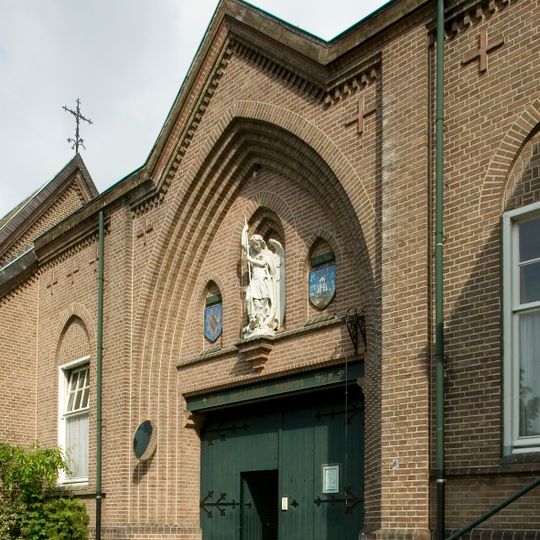
Sion Abbey, Trappist monastery in Diepenveen, Netherlands
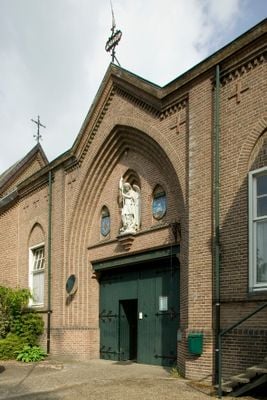
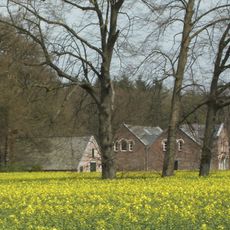
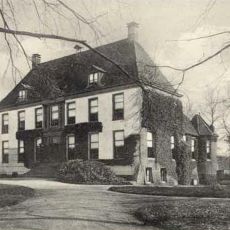
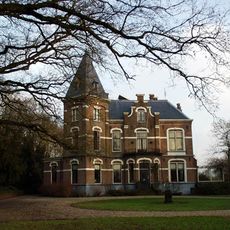
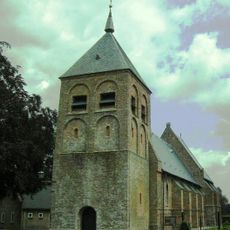
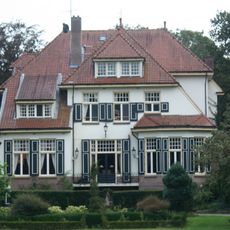
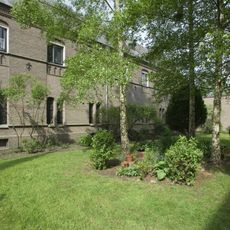
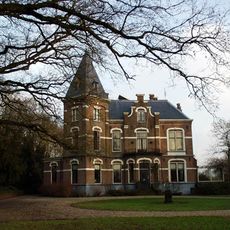
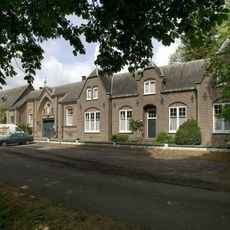
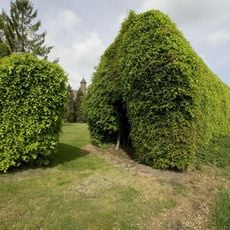
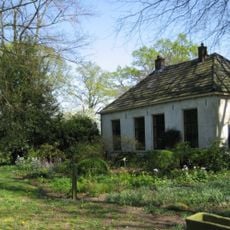
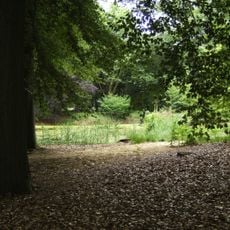
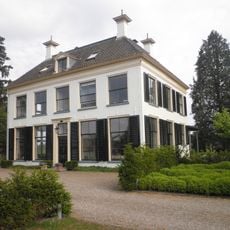
The complex comprises several Neo-Gothic buildings with pointed towers, lancet arches, and brick facades spreading across extensive grounds in Overijssel province. The architecture includes residential quarters, a chapel, and working buildings connected by courtyards and green spaces, displaying typical features of late 19th-century Dutch monastic construction.
Monks from Achel Abbey in Belgium established the foundation in 1883, constructing the buildings over the following decades. After more than five decades as a priory, the community received abbey status from the Diocese of Utrecht in 1935. The aging community eventually led to the departure of the remaining members.
The complex served as a center for Dutch Trappist life for over a century, fostering spiritual contemplation through prayer cycles, agricultural work, and craft production. The monks preserved Cistercian traditions of silence, communal liturgy, and self-sufficiency, strengthening Catholic identity in a predominantly Protestant region of the Netherlands.
The complex holds protected Rijksmonument status and is now managed by foundation Nieuw Sion. Located north of the major Dutch rivers in Deventer municipality, it can be reached via rural roads through Overijssel province. Visitors should verify access arrangements in advance, as the use of the buildings has changed since the community relocated.
The remaining members relocated to Schiermonnikoog in 2015, a West Frisian island in the North Sea, where they continue monastic life on a smaller scale as Nieuw Sion. This move marked the end of over 130 years of presence at the mainland location, while the historic buildings now serve other purposes.
The community of curious travelers
AroundUs brings together thousands of curated places, local tips, and hidden gems, enriched daily by 60,000 contributors worldwide.