Leirfall rock art site, Bronze Age petroglyph site in Hegra, Norway
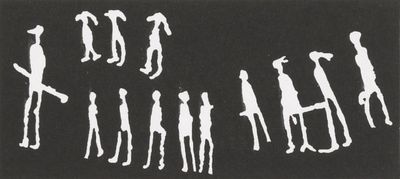
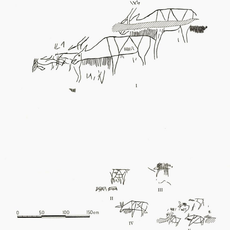
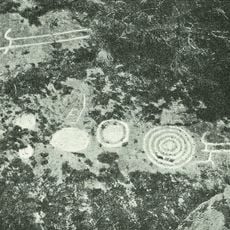
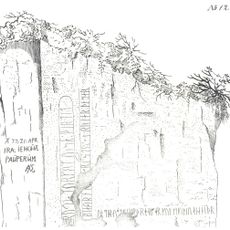
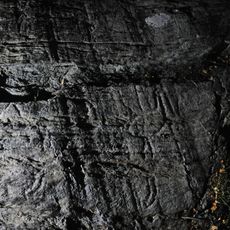
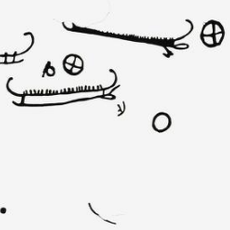
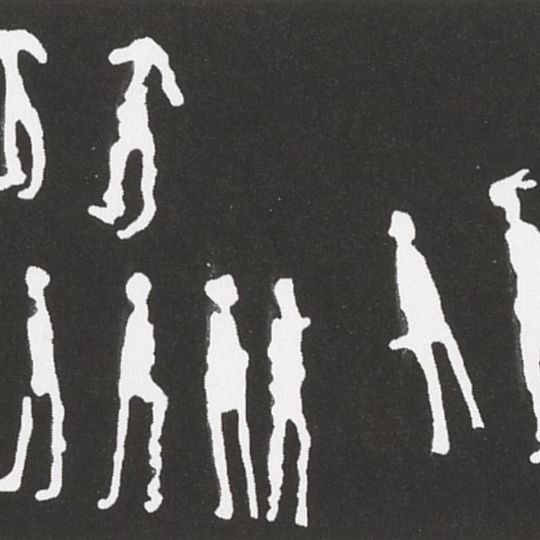
Leirfall is an archaeological site containing approximately 900 rock carvings spread across elevated terrain at 40 meters above sea level. The petroglyphs depict human figures, animals, boats, and thousands of footprints carved into the stone over thousands of years.
The site was first discovered and documented between 1905 and 1910, with the largest concentration of carvings uncovered in 1951 and systematically excavated through 1959.
The carved figures at Leirfall show the daily concerns and beliefs of Bronze Age people through varied motifs and symbols. Human figures, animals, boats, and especially the recurring footprints suggest this place held meaning for rituals or gatherings of the local community.
The site has been maintained by the Norwegian state since 1972 with informational signage and parking areas for visitors. Wear sturdy shoes and allow time to walk across the different fields to observe the carvings up close.
Footprints make up about one fifth of all carved figures at this location, placing it among the largest collections of prehistoric rock art in the Nordic region. This distinctive emphasis on foot imprints sets it apart from other similar sites.
The community of curious travelers
AroundUs brings together thousands of curated places, local tips, and hidden gems, enriched daily by 91,474 contributors worldwide.