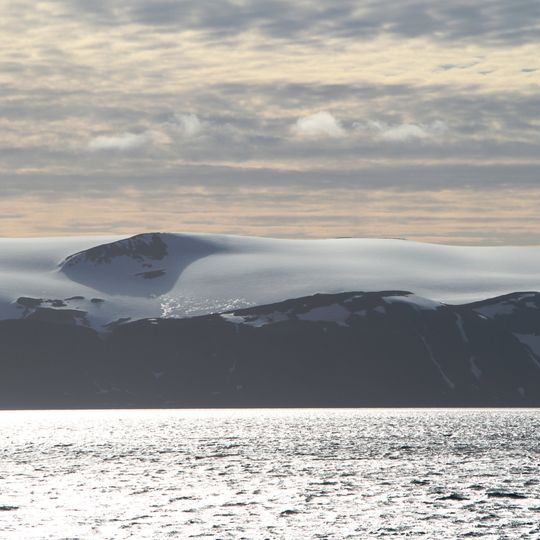
Biscayarfonna, ice cap
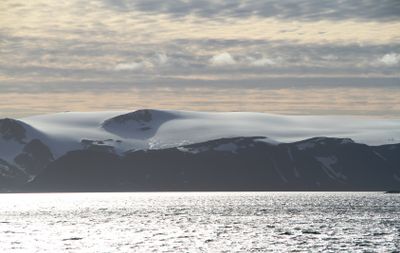
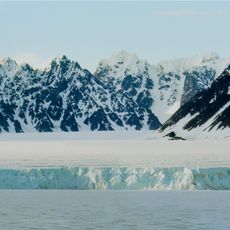
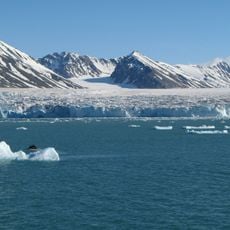
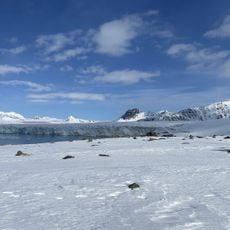
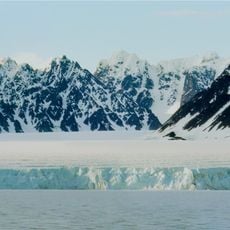
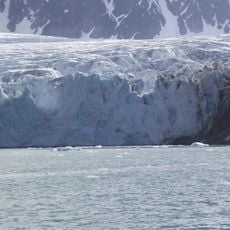
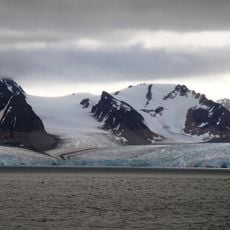
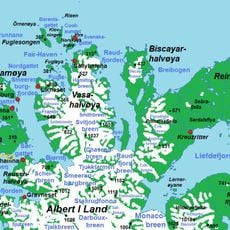
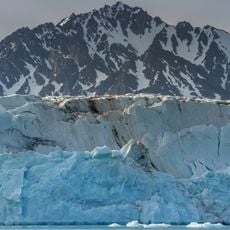
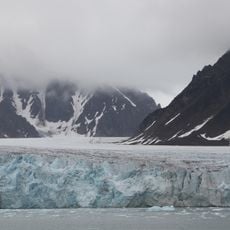
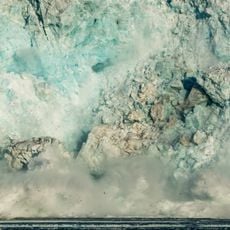
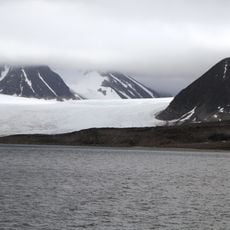
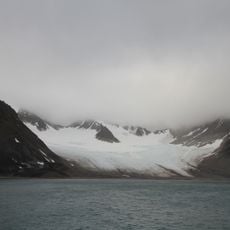
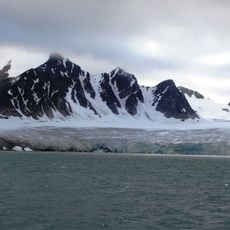
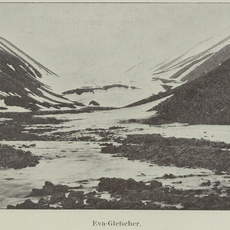
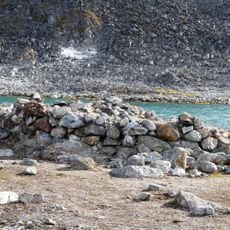
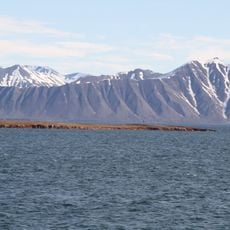
Biscayarfonna is a large ice cap on the island of Spitsbergen in Svalbard, Norway, with a flat, white surface that stretches across a broad area. The ice sheet has an edge that drops into the Arctic Ocean, where chunks break away as icebergs, while its interior is marked by cracks and crevasses that reveal the slow movement of the ice.
Biscayarfonna formed over thousands of years as snow compressed into ice and moved slowly across the land. The ice sheet has grown and shrunk with climate changes throughout its existence and now serves scientists as an important record for understanding Earth's climate history.
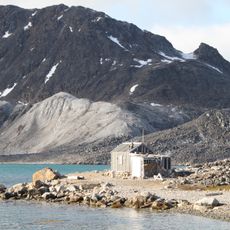
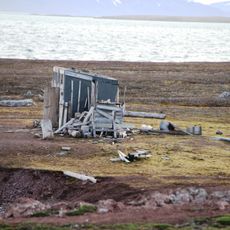
Biscayarfonna is named after Biscay, a bay in northern Spain, honoring the Basque whalers who traveled to this region centuries ago to hunt whales. The name connects the ice sheet to the people who once shaped the region's history and left their mark on its geography.
Visitors reach Biscayarfonna best by boat or guided tours across the icy landscape. The warmer months offer the best conditions for visiting, when the ice is more accessible and weather patterns are more stable.
Meltwater from the ice cap feeds nearby rivers and streams, playing a hidden but essential role in the local ecosystem. This quiet connection between the frozen surface and the waters below makes the ice cap a silent center of life in this remote region.
The community of curious travelers
AroundUs brings together thousands of curated places, local tips, and hidden gems, enriched daily by 92,636 contributors worldwide.