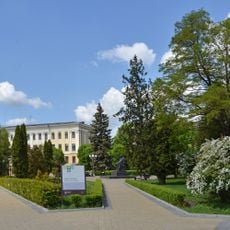
Tarnopol Voivodeship, former voivodeship of Poland
Tarnopol Voivodeship was an administrative region of the Second Polish Republic between 1920 and 1939 in the southeastern part of the country, with the city of Tarnopol as its center. The landscape featured rolling hills and several rivers, with the Soviet Union to the east and Romania to the south across the border.
The region was established in 1920 as part of the newly formed Second Polish Republic and served as an important eastern territory until World War II. Control shifted to the Soviet Union in 1939, then to Germany in 1941, and today it lies in Ukraine.
The region was a meeting place for Poles, Ukrainians, Jews, and others who lived side by side in towns and villages. This mix shaped daily life with different faiths, languages, and local celebrations that brought communities together.
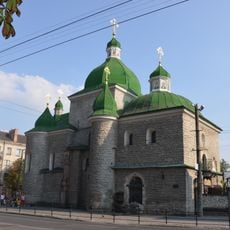
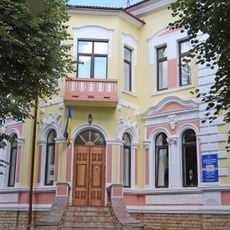
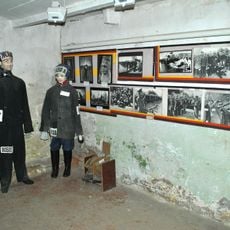
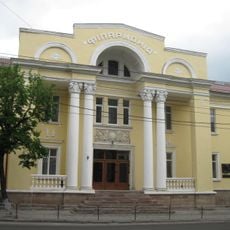
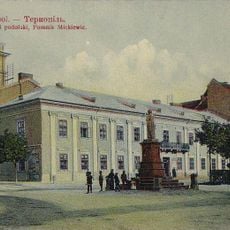
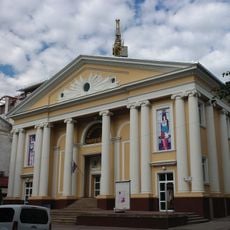
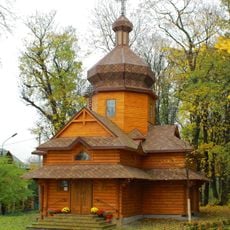
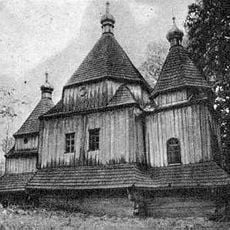
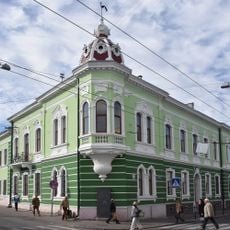
The best way to learn about this historical region is through studying maps from the 1930s and exploring the remaining architecture in towns and villages on the ground. Old churches, village layouts, and local museums preserve memories of this past period.
The region was known for fruit cultivation, particularly around Zaleszczyki with vineyards that grew grapes for wine production. These farming traditions were unusual for the primarily grain-based eastern region and showed the varied potential of the local soil.
The community of curious travelers
AroundUs brings together thousands of curated places, local tips, and hidden gems, enriched daily by 91,398 contributors worldwide.