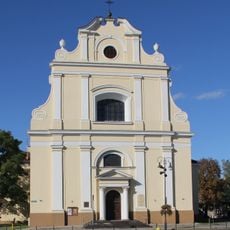
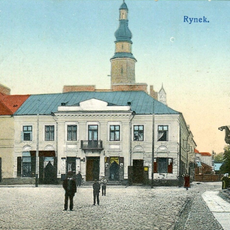
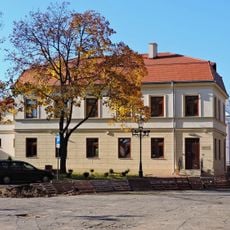
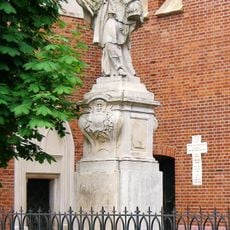
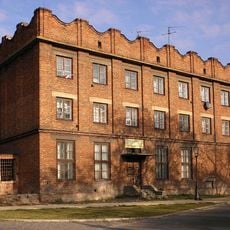
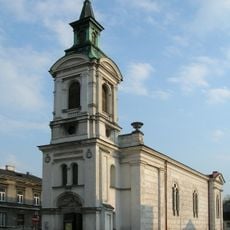
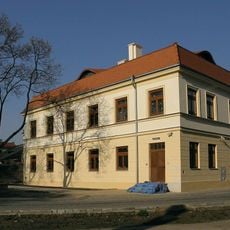
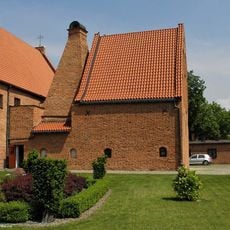
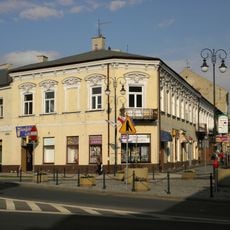
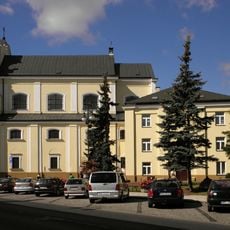
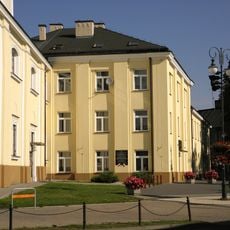
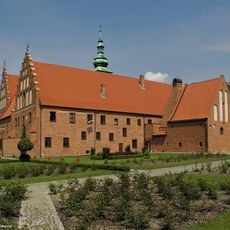
Radom Ghetto, Holocaust memorial site in Radom, Poland
The Radom Ghetto consisted of two separate neighborhoods enclosed by barbed wire and guard towers that monitored all movement. The districts were entirely sealed off and strictly controlled to isolate the population from the rest of the city.
German forces established the ghetto in March 1941, forcing over 30,000 residents into confined spaces under severe hardship. As years passed, conditions deteriorated sharply while mass deportations accelerated.
Radom's Jewish community shaped the city for centuries through thriving trades, shops, and religious life that wove deeply into local society. Visitors can sense this legacy today in the neighborhoods where people once gathered for markets, prayer, and daily routines.
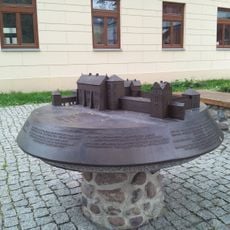
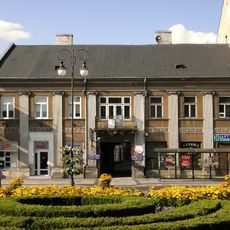
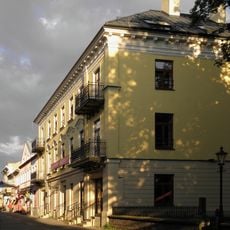
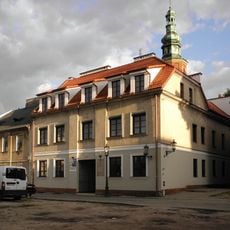
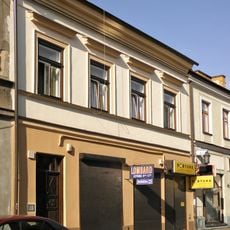
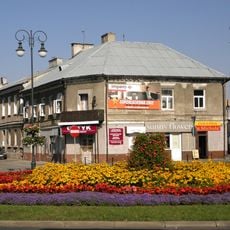
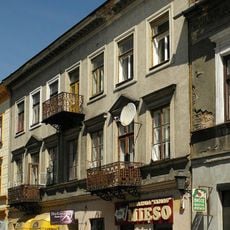
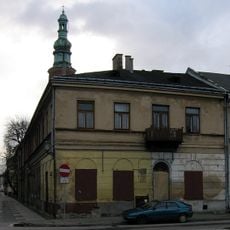
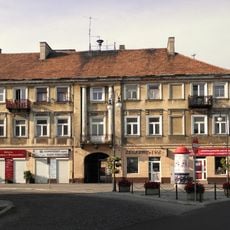
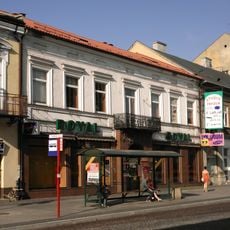
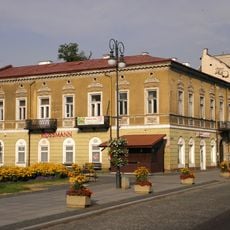
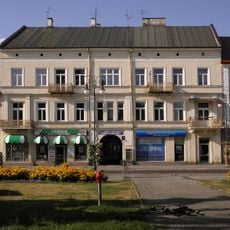
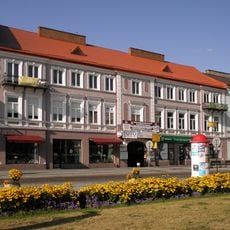
Memorial stones and information boards throughout the former ghetto area mark key locations and show the precise layout. Visitors can walk through the neighborhoods, with these markers helping to understand the former boundaries and structure.
Local records reveal that Polish medical professionals quietly provided lifesaving care to those suffering from typhoid fever. This hidden help shows that even under impossible conditions, some people maintained compassion through small acts of mercy.
The community of curious travelers
AroundUs brings together thousands of curated places, local tips, and hidden gems, enriched daily by 92,641 contributors worldwide.