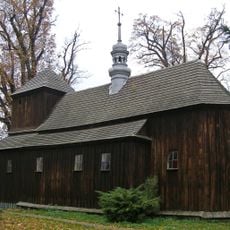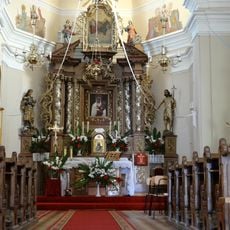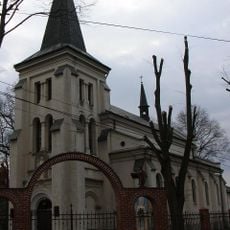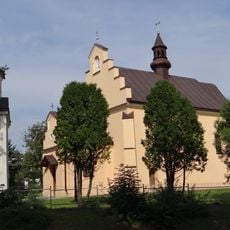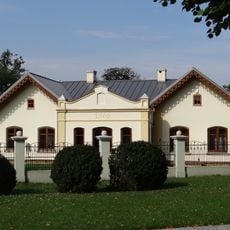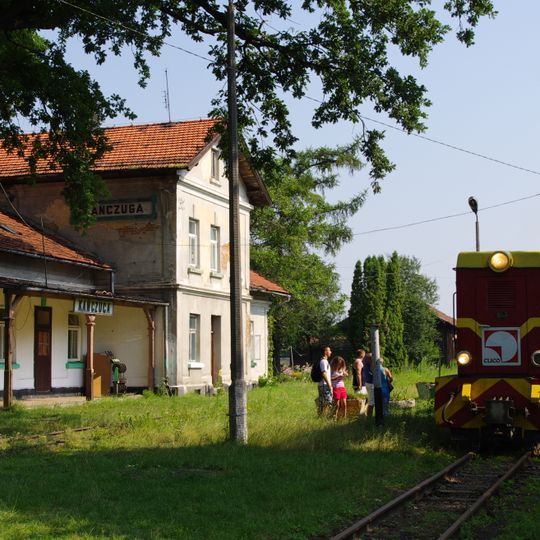
Kańczuga, Municipal center in Subcarpathian Voivodeship, Poland
Kańczuga is a municipal center in the Subcarpathian region, situated at an elevation of about 220 meters (720 feet) with gently rolling terrain surrounding it. Underground passages run beneath the town, remnants of historical storage facilities that once served merchants and local commerce.
The town received its municipal charter in 1440 and subsequently passed under the control of several noble families throughout the centuries. The Pilecki family exerted particular influence during its early period, shaping its development and administration.
The Jewish community left a significant mark on the town before World War II, shaping its social fabric and leaving traces visible in local records and collective memory. This heritage remains woven into the identity of the place today.
Records related to births, marriages, and deaths from this town are preserved in the Polish State Archives located in Przemyśl, accessible to those researching local genealogy or family history. These documents offer valuable insights into the town's population over time.
The town served as a manufacturing hub for buses built on Fiat 621R designs during the early years of Poland's automotive industry, a detail often overlooked by visitors. This industrial activity marked an important chapter in the town's economic development.
The community of curious travelers
AroundUs brings together thousands of curated places, local tips, and hidden gems, enriched daily by 92,654 contributors worldwide.