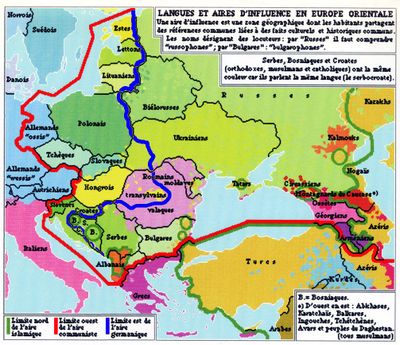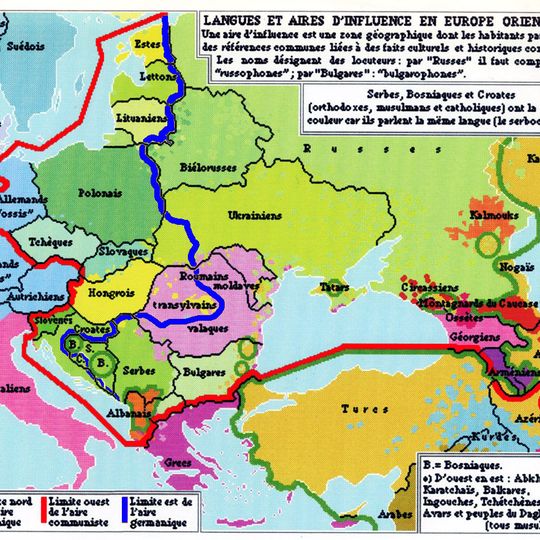
Central and Eastern Europe, Geographic region in Europe.
Central and Eastern Europe is a large geographic region stretching from the Baltic states in the north to the Adriatic and Black Sea coasts in the south, including countries such as Poland, the Czech Republic, Hungary, Slovakia, Romania, Bulgaria, and the Baltic nations. The region is marked by a continental climate with cold winters and warm summers, shaped by plains, low mountain ranges, dense forests, and major rivers like the Vistula, Danube, and Oder.
After the fall of the Iron Curtain in 1989, the countries in this region underwent deep political and economic changes that led to the dissolution of socialist structures. Many of them joined NATO and the European Union in the following decades, creating new political alliances.
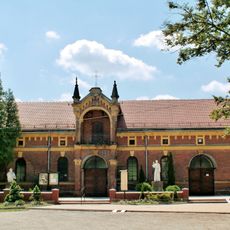
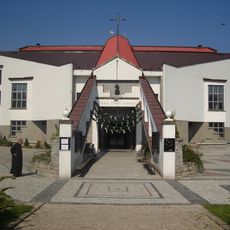
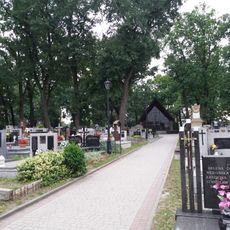
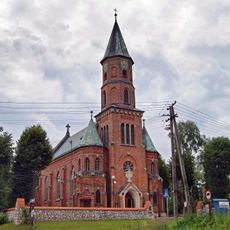
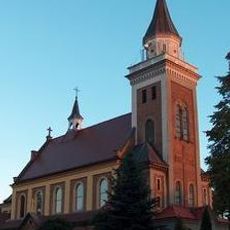
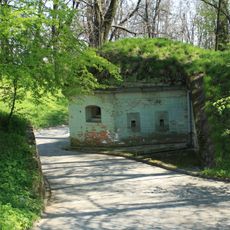
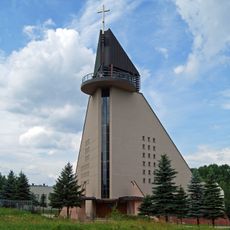
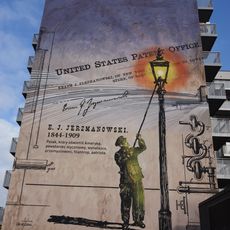
In many towns and villages, visitors encounter a mix of traditional wooden churches, medieval castles, and socialist-era apartment blocks standing side by side. People celebrate religious festivals with processions, maintain old craft traditions, and at the same time embrace modern urban ways of life in growing cities.
Travelers will find well-developed road and rail networks connecting major cities in this region, with English widely spoken in larger towns. In rural areas, communication can be more challenging, and it helps to learn a few words in the local language or use a translation app.
The region is home to some of the oldest preserved salt mines in Europe, now open to visitors as museums with underground chapels, lakes, and sculptures carved from salt. In several countries, traditional wooden building techniques have survived to this day, visible in village churches and farmhouses with intricately carved facades.
The community of curious travelers
AroundUs brings together thousands of curated places, local tips, and hidden gems, enriched daily by 91,643 contributors worldwide.