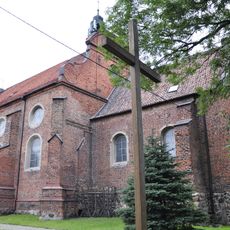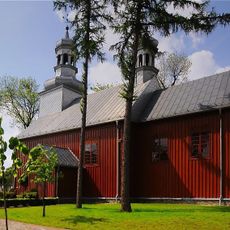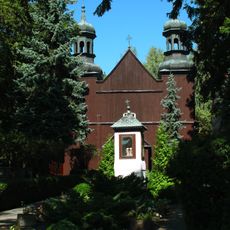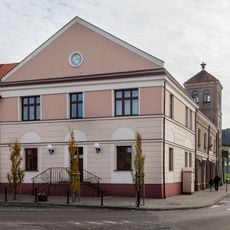
Kuyavia, Historical region in central Poland.
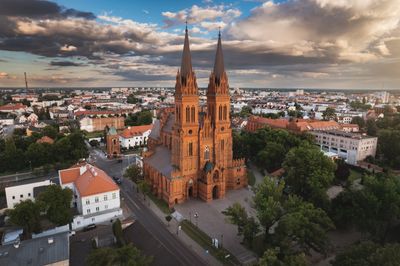
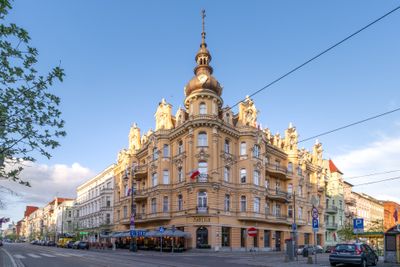
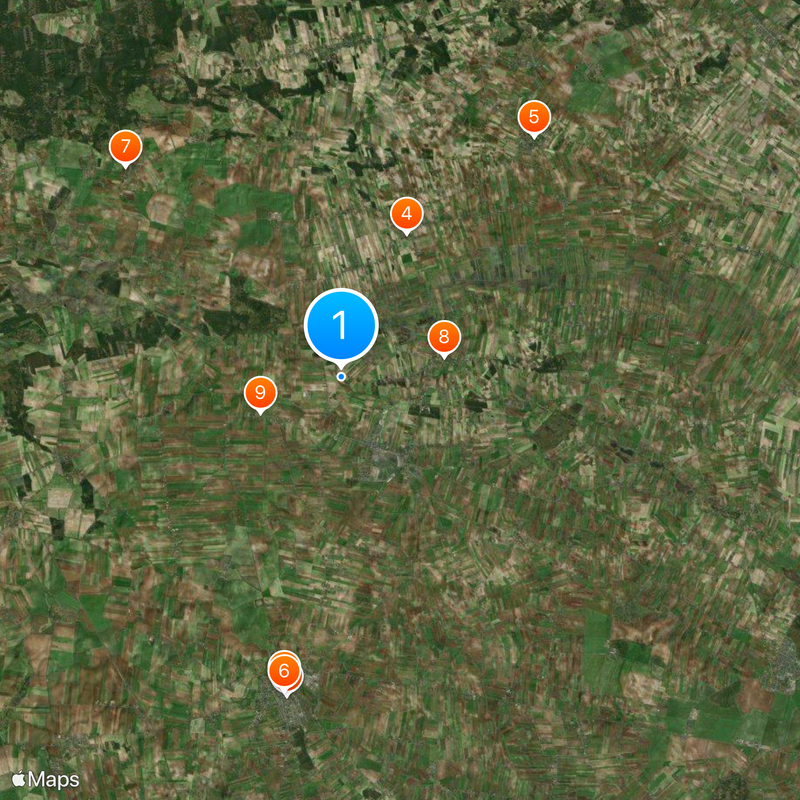
Kuyavia is a historical territory in central Poland that stretches between the Vistula River and Lake Gopło, with three main centers in Bydgoszcz, Inowrocław, and Włocławek. The terrain consists mostly of fertile lowlands lying at elevations between 100 and 130 meters, marked by gentle hills and wide open fields.
The territory first appeared in written records in 1136, when Pope Innocent II issued a papal bull for Gniezno. Archaeological finds from the Linear Pottery culture show that people settled here and farmed the land several thousand years earlier.
The territory contains numerous archaeological sites from the Linear Pottery culture, revealing early settlements and agricultural developments from prehistoric periods.
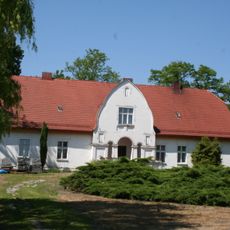
Farming still shapes much of the area, with large sections devoted to fields and small villages. Travelers will find a quiet countryside with no steep climbs, easily explored by car or bicycle.
Archaeologists found evidence here of cheese production dating to 5500 BC, the earliest known record of this practice anywhere in the world. The discovery shows how advanced the early inhabitants were in processing dairy products.
The community of curious travelers
AroundUs brings together thousands of curated places, local tips, and hidden gems, enriched daily by 92,664 contributors worldwide.