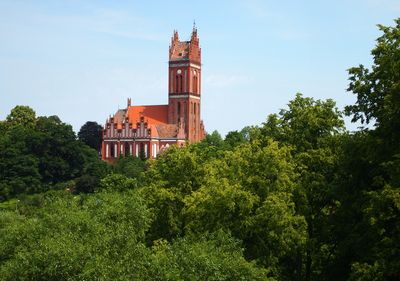
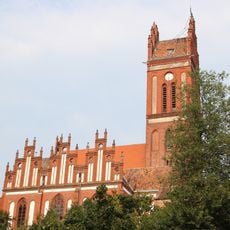
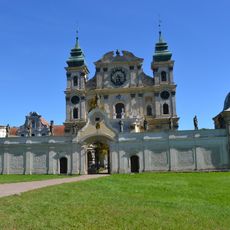
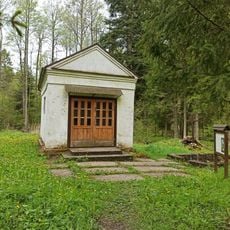
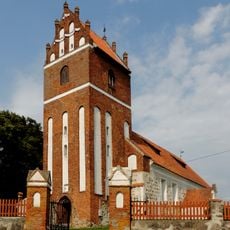
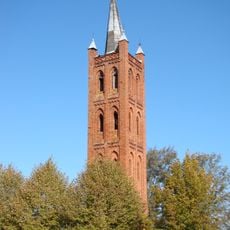
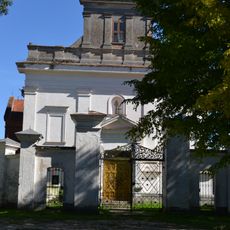
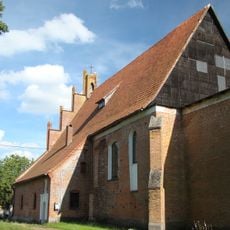
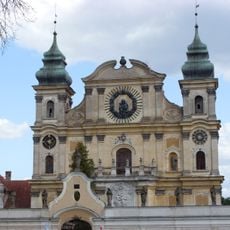
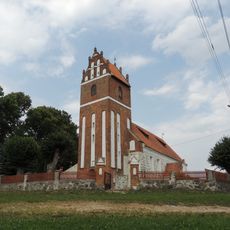
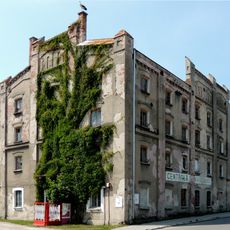
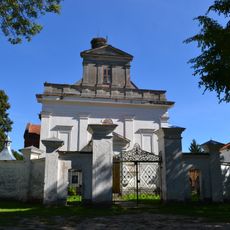
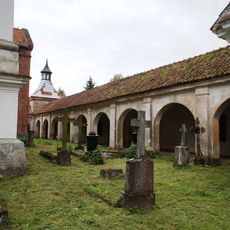
Pieniężno, Municipal town in Warmian-Masurian Voivodeship, Poland
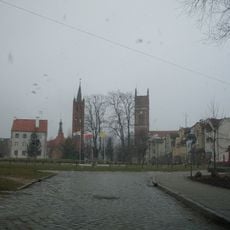
Pieniężno is a municipal town in northern Poland situated on the Wałsza River within Braniewo County, surrounded by rolling countryside and farmland. The settlement consists of modest buildings centered around administrative facilities and a compact downtown area.
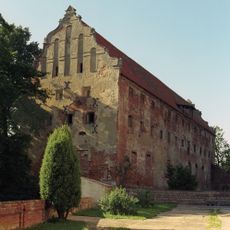
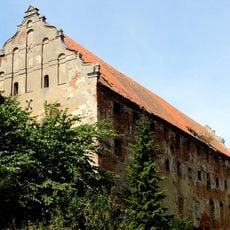
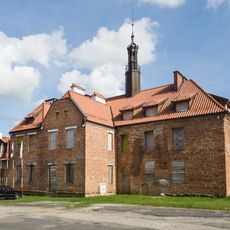
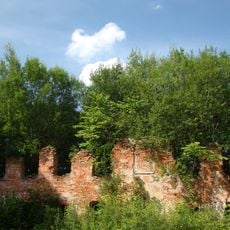
The town grew from an Old Prussian fort called Malcekuke, where Teutonic Knights built a castle in 1302 near the present-day location. This stronghold served as an administrative and commercial hub throughout the medieval period.
The town's coat of arms displays three flour bags between a golden sword and silver key, symbols that reflect its role as a medieval trading center. These emblems remain visible on official buildings and documents throughout the community.
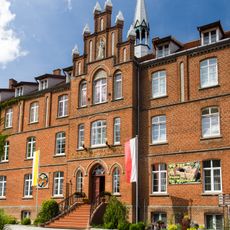
The town is small and easy to navigate on foot, making it simple to reach the main facilities and services. Most visitor amenities and administrative buildings are located in the town center and within walking distance.
Nicolaus Copernicus administered this district from October 1518 to March 1519, overseeing local villages while based at the castle. This connection to one of history's greatest astronomers adds an unexpected dimension to the town's past.
The community of curious travelers
AroundUs brings together thousands of curated places, local tips, and hidden gems, enriched daily by 60,000 contributors worldwide.