Haczów, Historic village in Subcarpathian Voivodeship, Poland
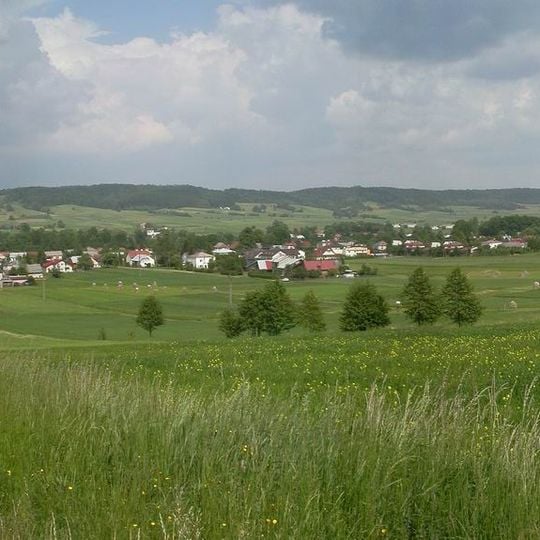
Haczów is a village in the Wisłok River valley in southeastern Poland, surrounded by fields and forested hills. The settlement centers on its distinctive wooden parish church and spreads across the flat valley with typical rural layout and scattered farmsteads.
The village was founded in 1378 by German-speaking settlers and took its name from Hans Hoff, meaning John's Farm in medieval times. The parish church was built in the 14th century and has shaped the place ever since.
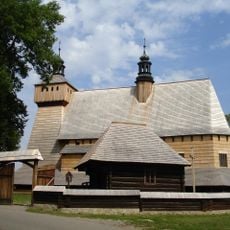
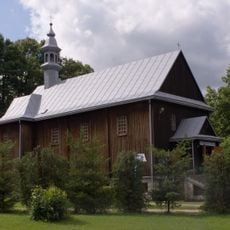
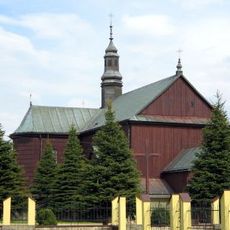
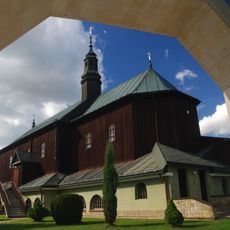
The wooden Church of the Assumption of Holy Mary and St Michael's Archangel displays traditional Gothic features and holds UNESCO World Heritage recognition. It shapes the village landscape and draws visitors interested in medieval craftsmanship and religious architecture.
The village sits roughly 40 kilometers south of Rzeszów and serves as the administrative hub for the surrounding district. Visitors can expect rural infrastructure and should plan to arrive by car from larger cities in the region.
The medieval church was built without metal nails and ranks among Europe's largest surviving wooden churches from that era. This building technique makes it a rare example of craftsmanship that few visitors expect to find in a rural village.
The community of curious travelers
AroundUs brings together thousands of curated places, local tips, and hidden gems, enriched daily by 92,656 contributors worldwide.