Pszów, town in Poland
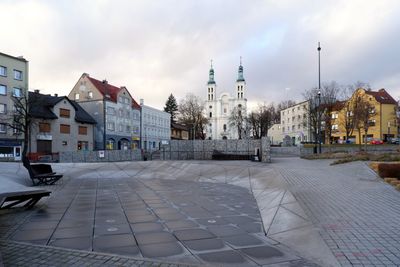
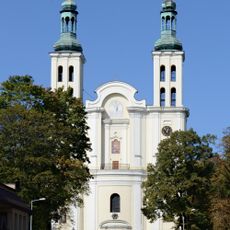
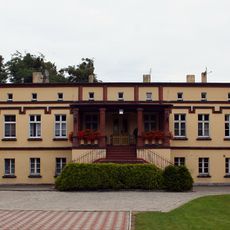
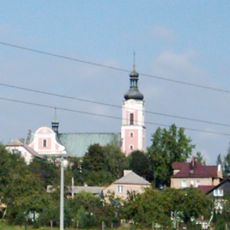
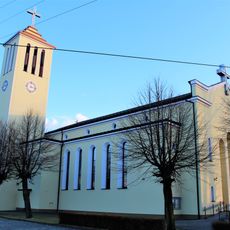
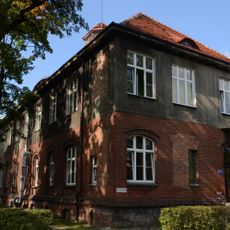
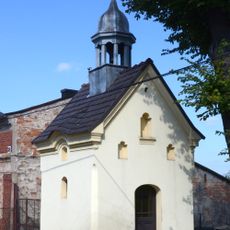
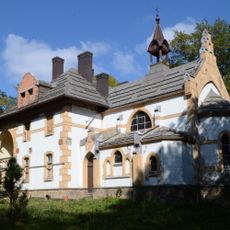
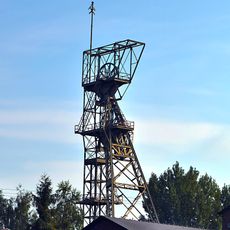
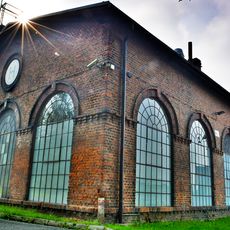
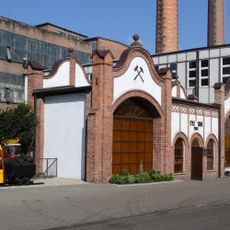
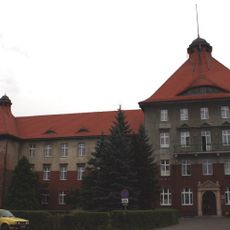
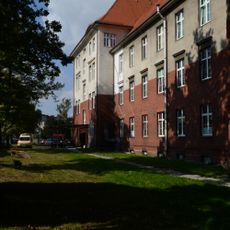
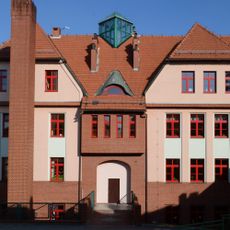
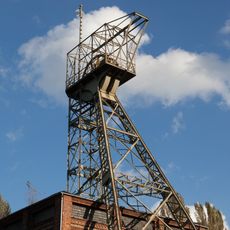
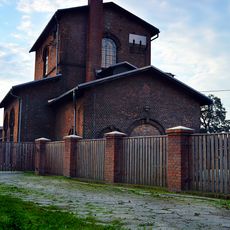
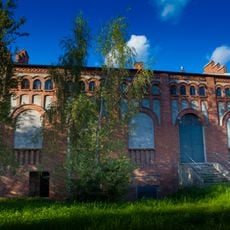
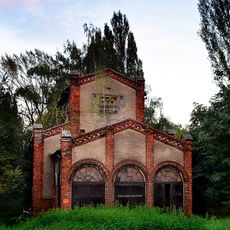
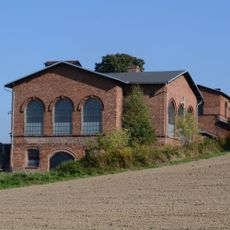
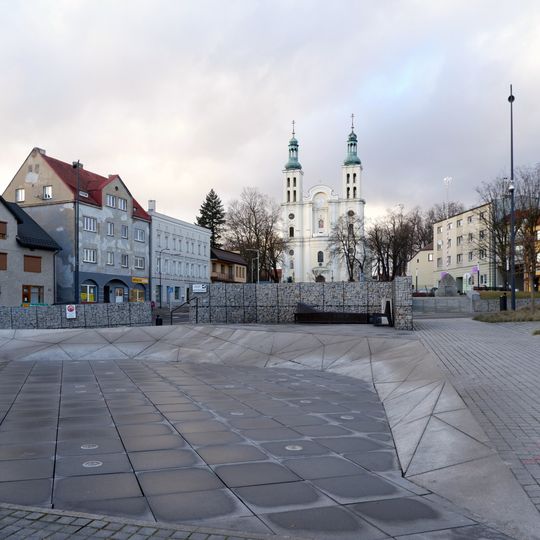
Pszów is a small town in the Silesian region of southeastern Poland, situated on the highest part of the Rybnicki Plateau. The streetscape shows practical architecture with old residential buildings from the mining era, a Basilica anchoring the main square, a town hall from 1910, and monuments marking the coal industry's legacy.
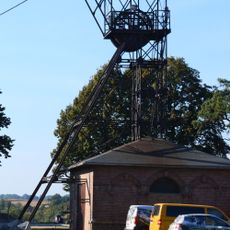
Pszów was first mentioned in 1265 when it received German town privileges. The construction of the road to Racibórz in 1830 and the opening of the Anna coal mine in 1843 sparked rapid growth and transformed the settlement into a mining community.
The name Pszów derives from ancient Slavic roots, and the town remains deeply connected to its coal mining heritage. Residents gather regularly near the Basilica square and at local festivals, where traditional music and shared stories of mining families reinforce community bonds.
Pszów sits at an elevation of about 311 meters (1,020 ft) and is easily accessible by car or train from nearby cities like Rybnik. The town has a straightforward street layout with the Basilica square as its main gathering point and several parks located on former mining grounds.
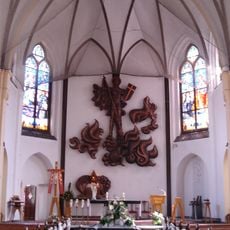
Within the Basilica resides a revered religious icon known as the Smiling Madonna, brought by pilgrims in 1722 and crowned in 1732. Local residents report the painting attracted many people seeking healing, giving the town a distinctive spiritual reputation.
The community of curious travelers
AroundUs brings together thousands of curated places, local tips, and hidden gems, enriched daily by 92,634 contributors worldwide.