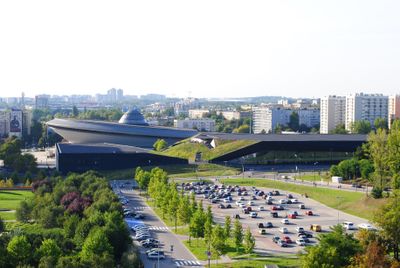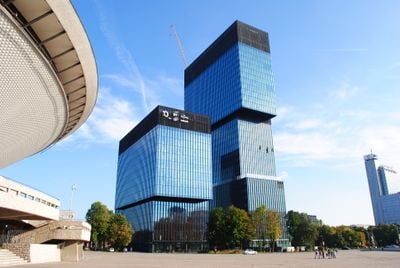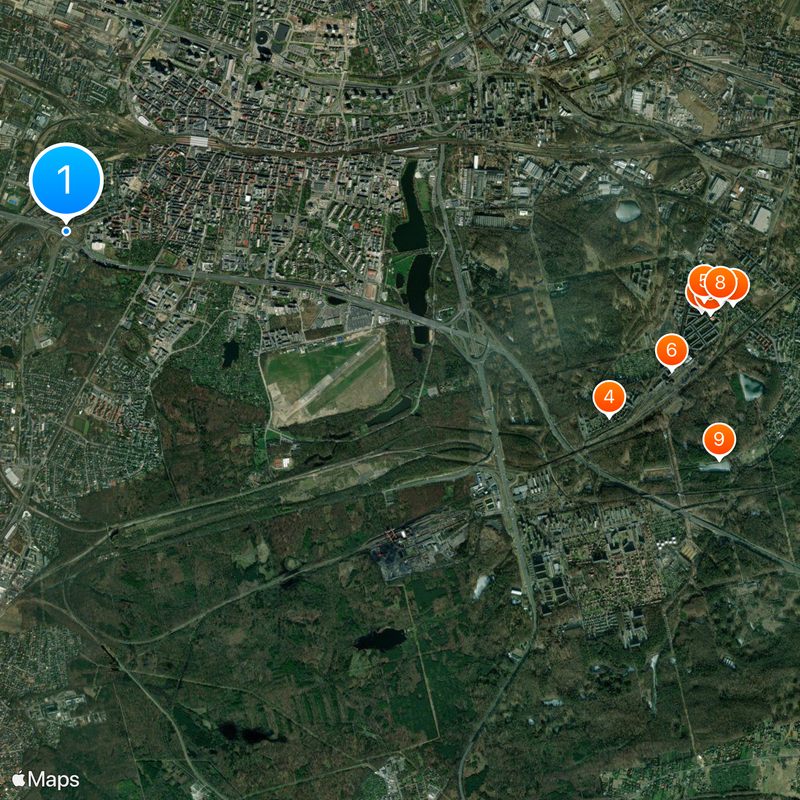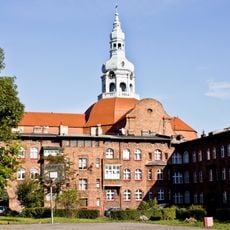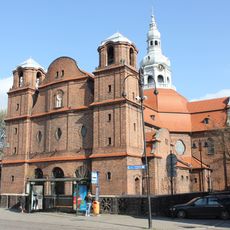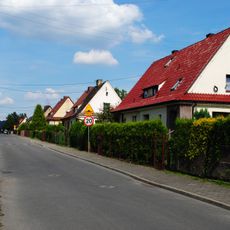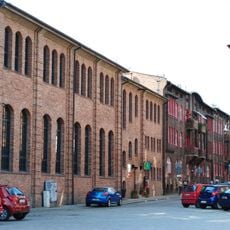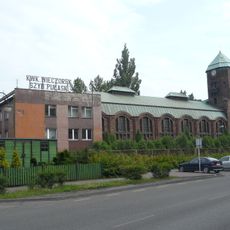
Katowice urban area, Metropolitan conurbation in Silesian Voivodeship, Poland.
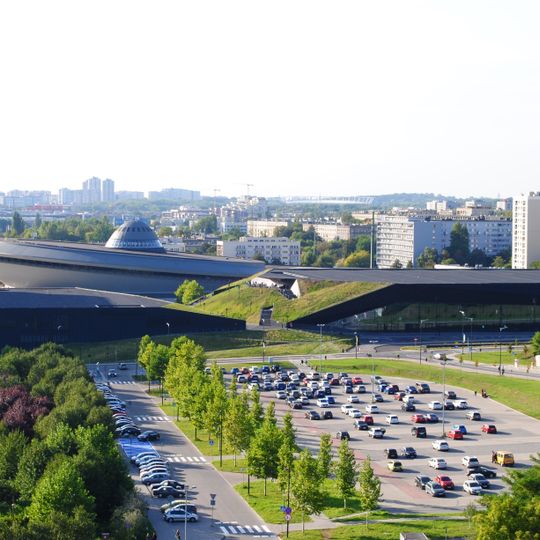
The urban area brings together nineteen connected cities in Silesian Voivodeship, forming the largest metropolitan region in Poland. The individual settlements blend into one another so smoothly that visitors often find it hard to tell where one city ends and the next begins.
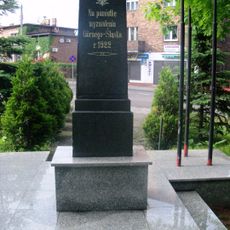
The discovery of coal deposits in the mid-18th century turned the region from farmland into an industrial center of Upper Silesia. After World War I, a referendum divided the Silesian territories between Poland and Germany, with the area around the city becoming Polish.
The cities across the area carry German, Polish and Silesian names that still appear side by side on street signs and in everyday speech. This multilingual past also shows up in local food, where Silesian dishes like dumplings and rolled meats meet Polish cooking traditions.
The individual cities can be reached by regional trains, trams and bus lines that mostly connect without transfers. Those exploring the region should expect frequent shifts between old industrial neighborhoods and modern shopping centers.
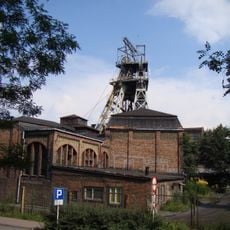
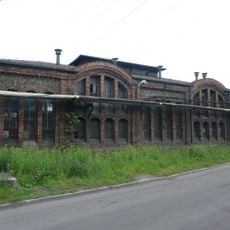
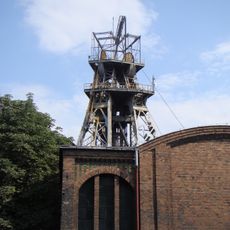
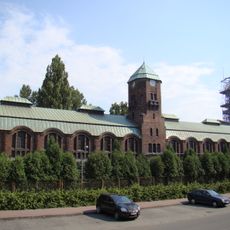
In some parts of the region you can still spot abandoned mining towers and hoisting structures between apartment blocks and supermarkets. These closed industrial buildings are sometimes used as cultural centers or museums, sometimes left to decay unnoticed at the city edge.
The community of curious travelers
AroundUs brings together thousands of curated places, local tips, and hidden gems, enriched daily by 90,803 contributors worldwide.