Stary Dwór w Goszycach, 17th-century manor house in Goszyce, Poland
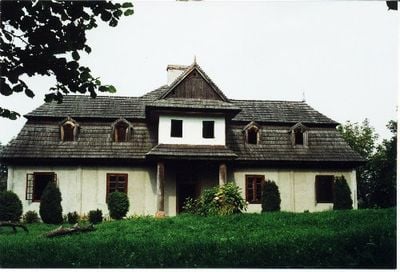
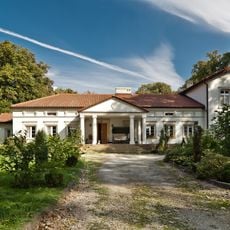
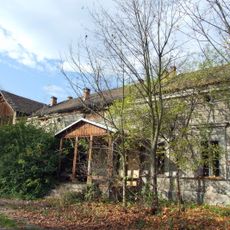
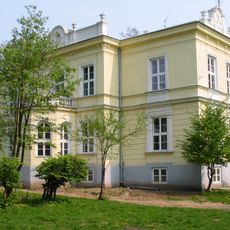
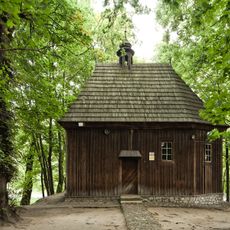
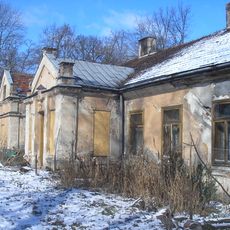
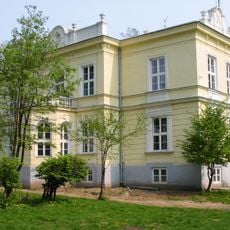
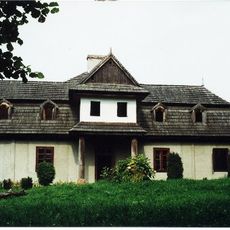
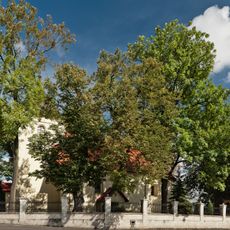
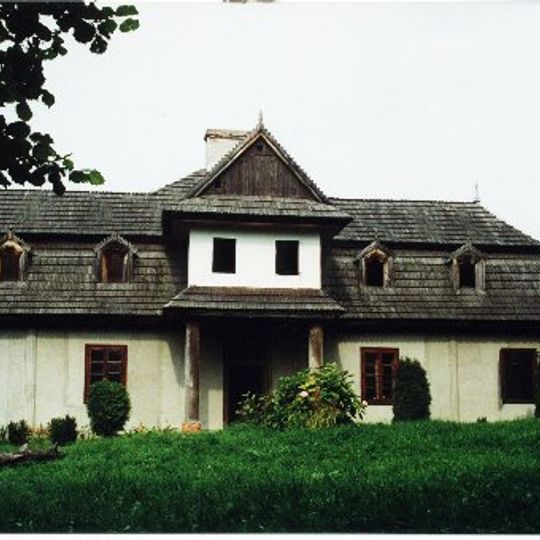
Stary Dwór w Goszycach is a wooden manor house featuring neoclassical design elements with a square floor plan and two stories. The front facade displays distinctive alcoves on both sides, and the structure is topped with a broken-line roof rather than the original thatched covering.
The manor was built in the 17th century and later received a royal visit when King John III Sobieski arrived in 1683 following his victory at Vienna. His visit inspired the addition of crescent moon decorations on the roof, marking the connection to the royal court.
During World War II, this manor served as a hiding place for refugees fleeing Warsaw, including Nobel Prize-winning author Czesław Miłosz. Visitors can still walk through the rooms that once provided safety to those in need.
The renovated manor offers guest rooms and serves as a venue for events, set within grounds surrounded by parks, fields, and meadows. Visitors should plan time to explore the surrounding landscape and understand that the property retains its rural character and layout.
The building represents the oldest surviving manor house constructed from larch wood in Poland, showcasing a rare building method and choice of material. The durability of this wood and careful maintenance allowed the structure to withstand centuries of use.
The community of curious travelers
AroundUs brings together thousands of curated places, local tips, and hidden gems, enriched daily by 60,000 contributors worldwide.