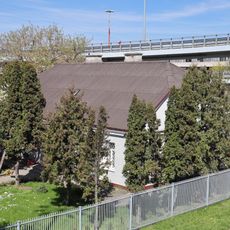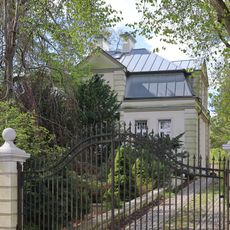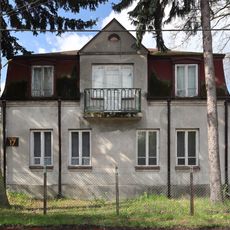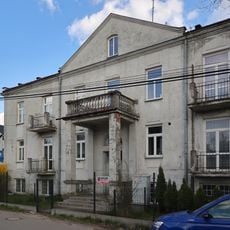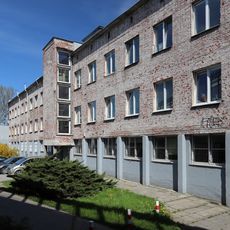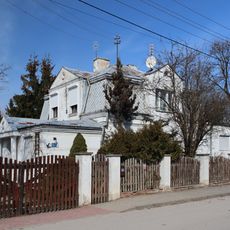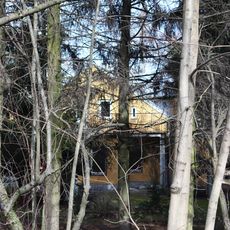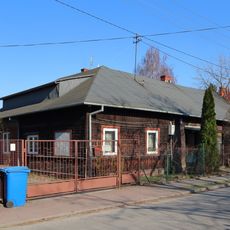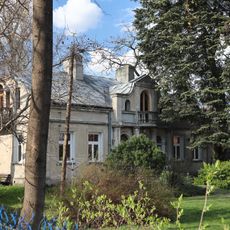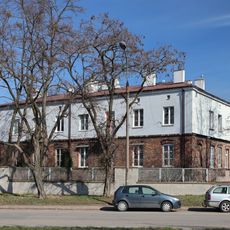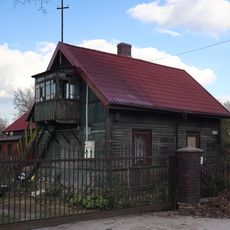
Żerań, Residential neighborhood in Białołęka district, Warsaw, Poland
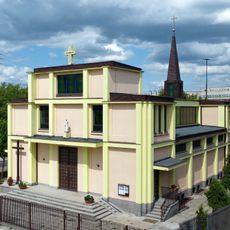
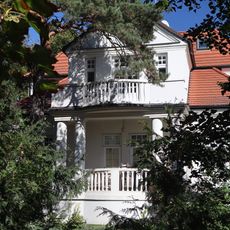
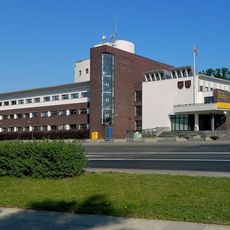
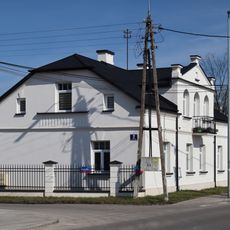
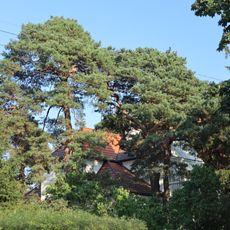
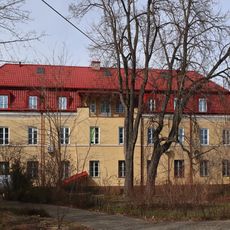
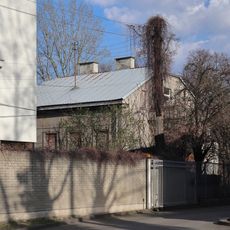
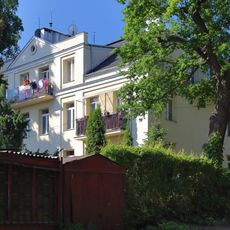
Żerań is a residential neighborhood in the northeastern part of Warsaw that stretches along the Vistula River and combines apartment blocks, open spaces, and industrial areas. The layout reflects post-war urban development with multi-story housing and accessible green zones throughout the district.
The area took its name from a 14th century Polish term referring to forest pastures, reflecting its original agricultural use. After World War II, large-scale residential development transformed this rural landscape into a modern urban district.
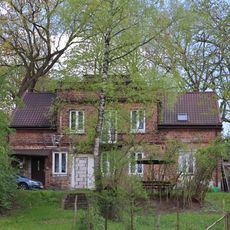
The neighborhood has transformed from farmland to city living, yet residents maintain connections to its rural past through local markets and community spaces. Many families have chosen to settle here for affordable housing and a slower pace compared to central Warsaw.
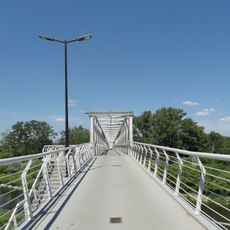
The neighborhood is well connected by public transport, including regular rail and tram services that reach other parts of the city and the broader Masovian region. Walking and cycling are practical ways to explore the residential areas and riverside paths.
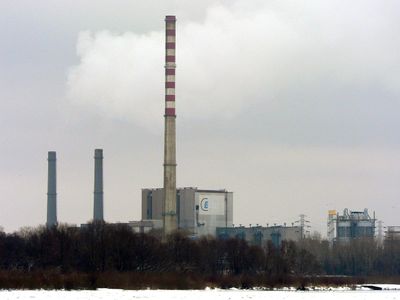
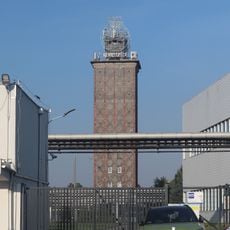
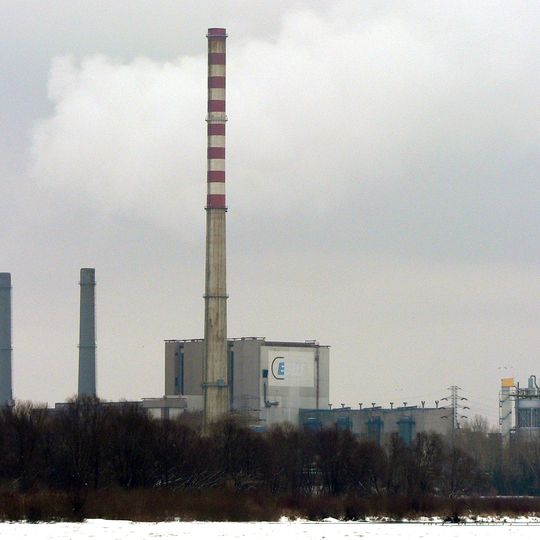
The Żerań Power Station, which opened in 1954, is a major industrial structure that visibly shapes the neighborhood and provides energy for Warsaw's metropolitan area. This modern facility stands in sharp contrast to the surrounding residential blocks and defines the district's skyline.
The community of curious travelers
AroundUs brings together thousands of curated places, local tips, and hidden gems, enriched daily by 92,594 contributors worldwide.