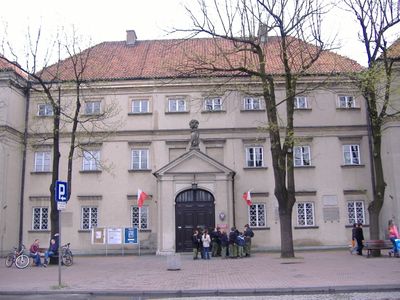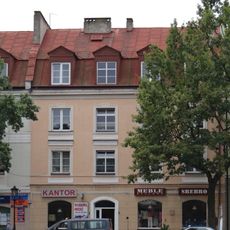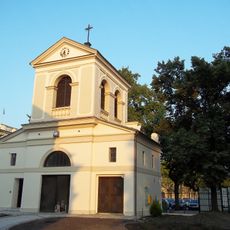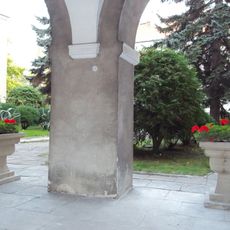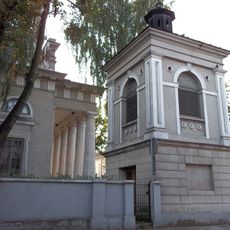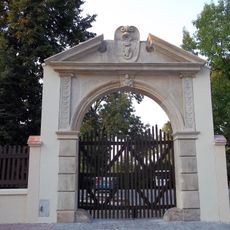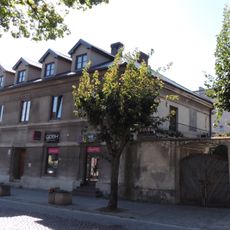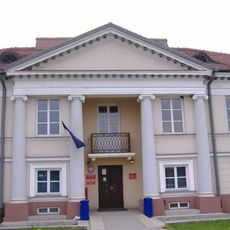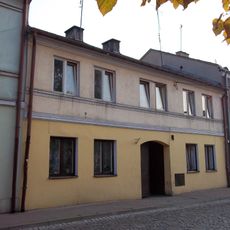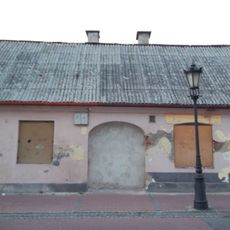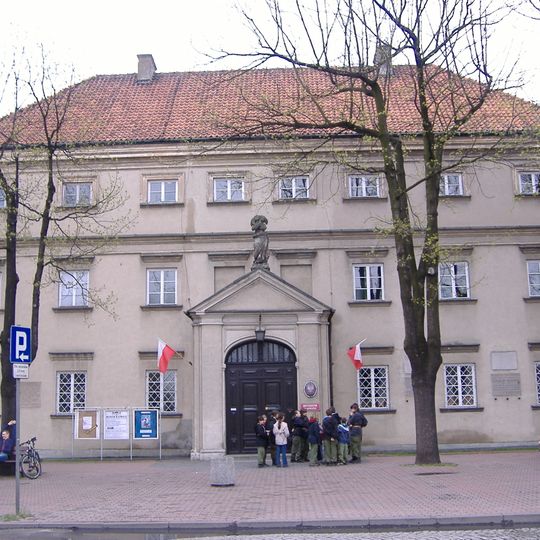
Muzeum w Łowiczu, Regional museum in Łowicz, Poland.
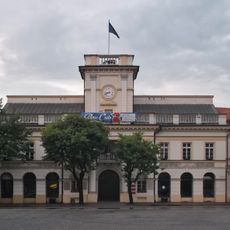
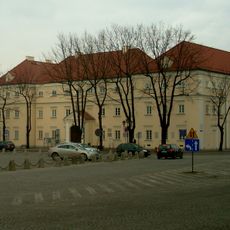
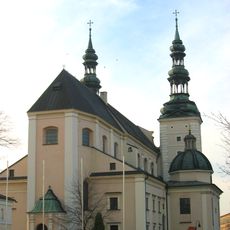
This museum in Łowicz occupies a three-story building designed by architect Tylman van Gameren with exhibition halls displaying regional collections throughout its floors. The rooms hold agricultural tools, household items, and craft works that reflect the area's local heritage.
The building was completed in 1730 as a seminary founded by Archbishop Michał Radziejowski and later converted into a museum during the 1950s. This transformation preserved the space as a center for local heritage and regional study.
The display of traditional folk costumes from this region shows the decorative patterns and weaving styles that locals have cherished for centuries and still celebrate at community festivals. These garments and household objects reveal how people here maintained their cultural identity through everyday craft.
The museum is located in the city center and easy to reach on foot with plenty of room to explore the various exhibition halls. Plan to spend about two hours to view all the areas thoroughly.
The museum manages an open-air section in Maurzyce featuring an 18th-century farmhouse with original agricultural buildings still containing period equipment. This separate location offers a glimpse of rural life as people actually lived it, with authentic structures and tools from that era.
The community of curious travelers
AroundUs brings together thousands of curated places, local tips, and hidden gems, enriched daily by 91,836 contributors worldwide.