Iława Lakeland, Glacial macroregion in northern Poland.
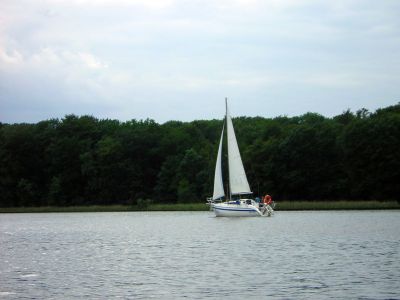
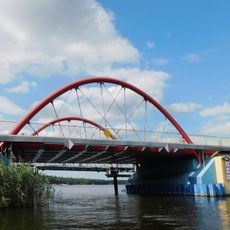
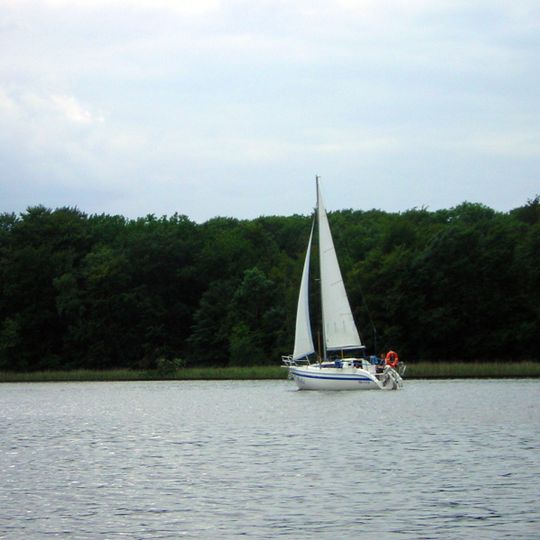
Iława Lakeland is a region shaped by glacial activity, containing numerous freshwater lakes linked by natural waterways and channels. The landscape combines open water surfaces with dense forest coverage and stretches across multiple administrative municipalities in northern Poland.
The landscape took shape during the last Ice Age when retreating glaciers carved out valleys and left behind connected bodies of water. This glacial heritage remains the defining feature of the region and continues to influence how water and land are distributed.
The region maintains a deep connection to fishing and water-based living that shapes daily life in the communities scattered throughout the lakes. This relationship with water runs through everything residents do, from how they build their homes to how they spend their time.
Marked trails connect different lakes and forest areas, making exploration on foot straightforward throughout the macroregion. Spring through autumn offers the best conditions for walking and observing wildlife, as the ground remains dry and routes stay accessible.
The lakes support rare fish species found nowhere else in Europe, which have adapted to thrive in this interconnected system. These species serve as indicators of the ecological health of the entire watershed and draw scientific interest from researchers.
The community of curious travelers
AroundUs brings together thousands of curated places, local tips, and hidden gems, enriched daily by 60,000 contributors worldwide.