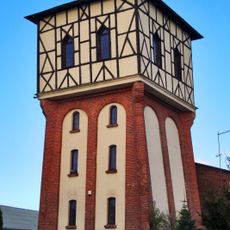
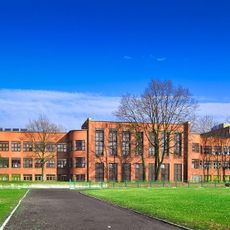
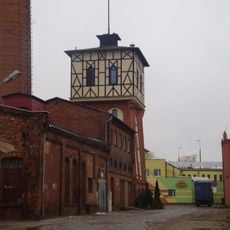
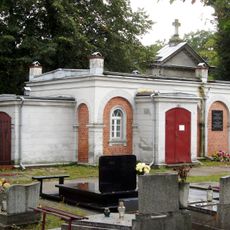
Grudziądz, Medieval granaries in Grudziądz, Poland.
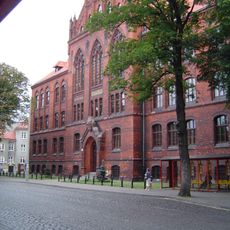
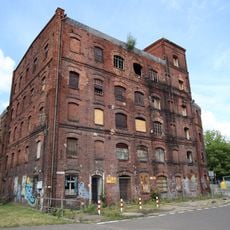
Grudziądz sits on the right bank of the Vistula River and is known for thirteen medieval brick granaries that line the waterfront like a defensive wall. These tall structures once stored grain and goods before they were shipped downstream, and their red-brick facades remain a dominant feature of the townscape.
The granaries were built in the 13th century by the Teutonic Knights to store grain moving along the Vistula trade route toward Gdansk. The city became an important trading hub along this river corridor and maintained that commercial role for centuries.
The name Grudziądz comes from Slavic roots meaning 'city of jugs', reflecting pottery traditions of the region. The row of brick structures along the waterfront frames daily life and connects locals and visitors to centuries of commercial activity.
The city is accessible by train and bus from larger towns like Torun, Bydgoszcz, and Gdansk, making it easy to reach. The granaries and old town center are compact and walkable, with the waterfront structures easy to view from the riverside paths.
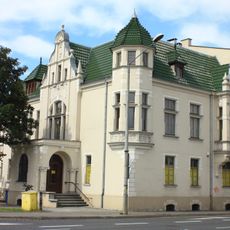
The neoclassical town hall with its striking tower was built in the 19th century and stands in bold contrast to the older red-brick granaries by the water. This architectural blend shows how the city evolved across different periods and reflects changing priorities over time.
The community of curious travelers
AroundUs brings together thousands of curated places, local tips, and hidden gems, enriched daily by 92,750 contributors worldwide.