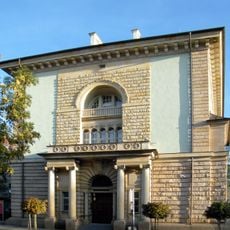
Old City in Opole, Medieval town center in Opole, Poland
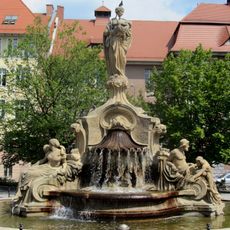
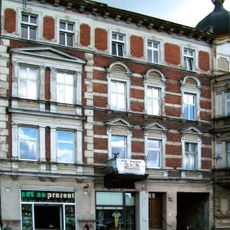
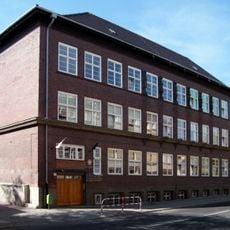
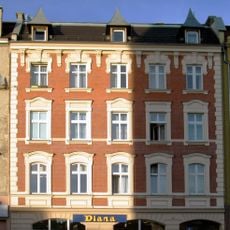
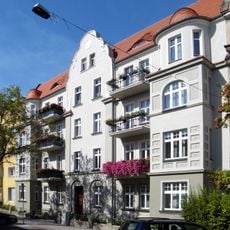
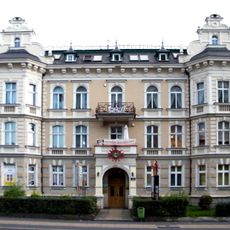
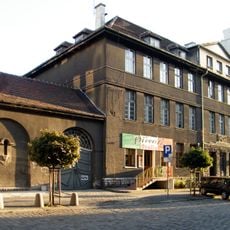
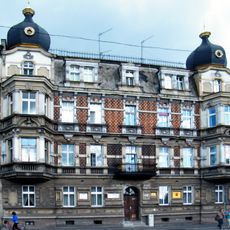
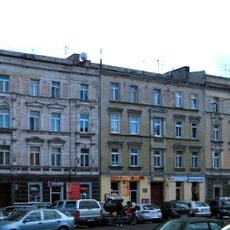
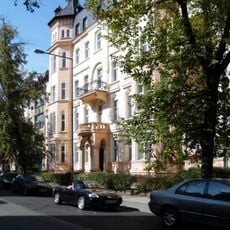
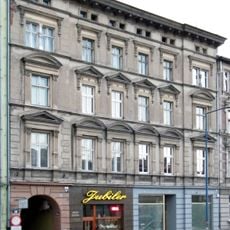
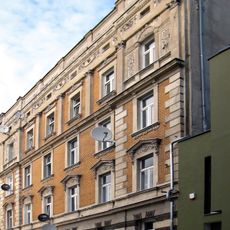
The Old City of Opole is a medieval town center with colorful buildings surrounding a central square and cobblestone streets running throughout. A 19th-century Town Hall and numerous historical structures define the character of this district.
The Old Town's defences were built by Duke Bolesław I of Opole, with towers such as Wilk, Gniazdo and Barbara and five gates: Południowa, Górska, Mikołajska, Zamkowa and Odrzańska. The 13th-century gates survived until the 18th century, when they lost their defensive role and served only as customs walls. In 1686 the Barbara Tower was converted into a prison for clerics, and in 1822 part of its bricks was used to rebuild the town hall.
The Rynek's brick townhouses replaced wooden buildings after repeated fires, and the square still serves as the city's main meeting place. The equestrian statue of Duke Kazimierz I of Opole, the city's founder, stands beside the Town Hall. Streets such as ul. Katedralna and ul. Franciszkańska lead off the square toward the cathedral and the old synagogue.
The district has many restaurants, cafes, and shops that stay open until late evening and accept both cash and card payments. The cobblestone streets are easy to walk through, though the uneven surface requires solid footwear.
The Młynówka canal splits from and rejoins the Oder, enclosing Pasieka Island between the two channels. The medieval town walls were reinforced by towers with names: Wilk stood by the Cloth Hall on today's Mały Rynek, Gniazdo at the mouth of Osmańczyka street, and Barbara beside the Holy Cross cathedral. Barbara's tower became a prison for clerics in 1686, and part of its bricks went to rebuilding the town hall in 1822.
The community of curious travelers
AroundUs brings together thousands of curated places, local tips, and hidden gems, enriched daily by 94,589 contributors worldwide.