Mourisca tide mill, Watermill museum in Sado, Portugal
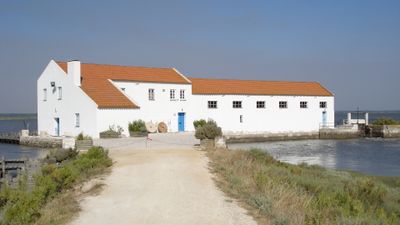
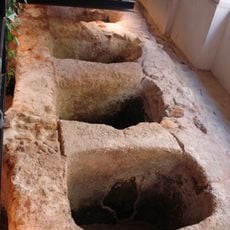
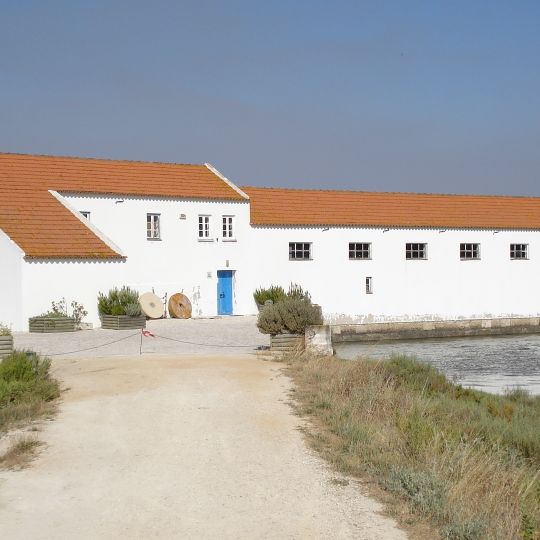
The Mourisca tide mill on the Sado River was engineered to capture energy from incoming and outgoing water movements to power its grinding mechanism. It contains multiple millstones inside a stone building positioned on the water's edge, where the tidal flow provided continuous force for the work.
The mill was built in the 17th century, when this type of engineering was common along European estuaries but required deep knowledge of local water patterns. It ground grain for centuries until industrial changes made it obsolete, eventually becoming a museum to preserve its working method.
The name 'Mourisca' reflects the Moorish heritage of the region, a connection that shaped the local landscape and architecture. The building shows how communities organized their daily work around natural water cycles, milling grain when the tides made it possible.
The site is accessible during regular daytime hours most days of the week, though it is closed on Mondays and it is worth checking specific times before visiting. The building sits on the riverbank where paths lead directly to the entrance, making it straightforward to find.
Very few tidal mills survive in working or displayable condition anywhere in Europe, and this one belongs to a rare group of just four that operated in the Sado estuary alone. Its mechanical systems remain largely intact, allowing visitors to see the actual gears and channels that converted water movement into grinding power.
The community of curious travelers
AroundUs brings together thousands of curated places, local tips, and hidden gems, enriched daily by 60,000 contributors worldwide.