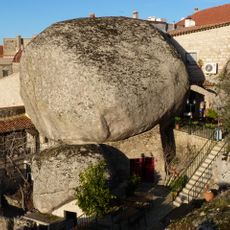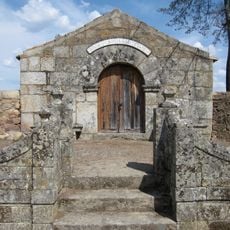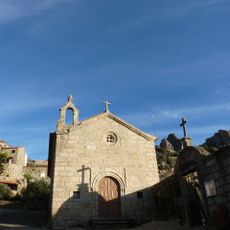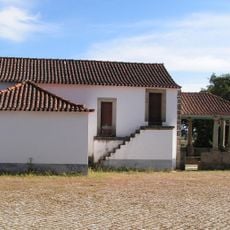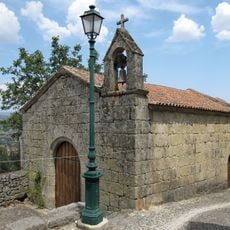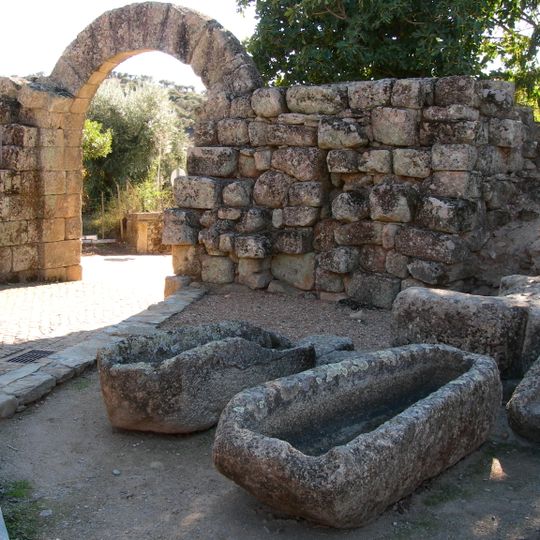
Egitania, archaeological site in Idanha-a-Nova, Portugal
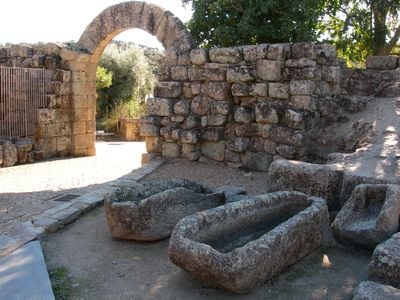
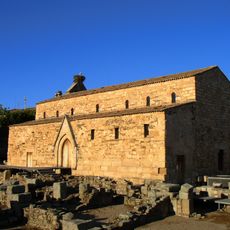
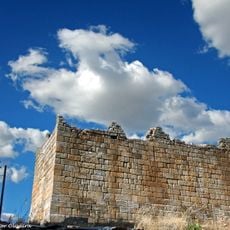
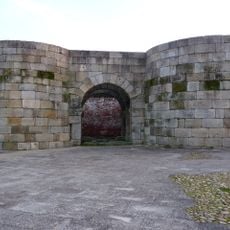
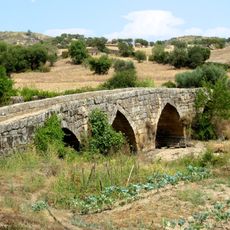
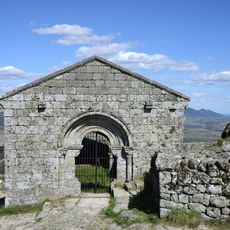
Egitania is a Roman city near Monsanto and Idanha-a-Velha that contained important buildings such as temples, a central marketplace, and fortified walls spanning about 750 meters. The remains include paved stone streets, a Roman bridge with five arches, a bathing complex, and later Christian structures like a Visigothic basilica.
The city was founded by Romans in the late 1st century BCE and flourished as a mining hub with tin, lead, and zinc extraction from the surrounding region. In the 8th century it was destroyed by invasion and later abandoned, though it briefly served as a Christian bishopric under the Visigoths.
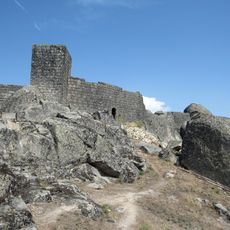
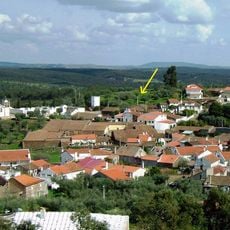
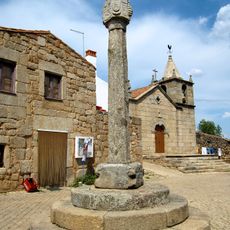
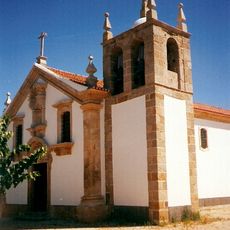
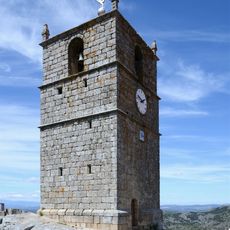
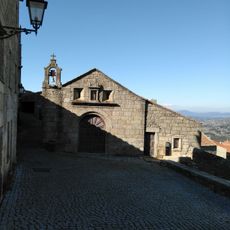
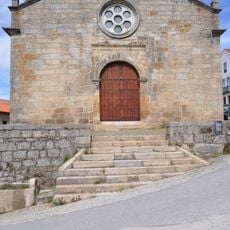
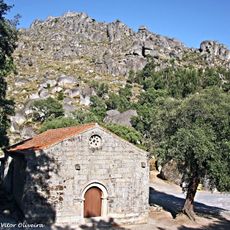
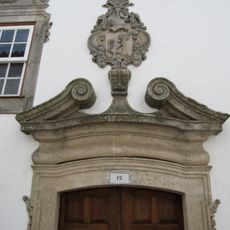
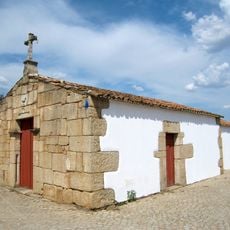
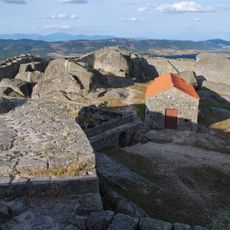
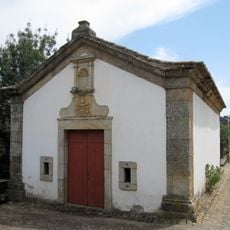
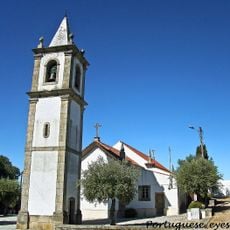
Egitania, known today as Idanha-a-Velha, reveals layers of Christian and Roman identity through its visible remains that visitors encounter while walking around. The former cathedral from the 6th century and the temple over which a medieval fortress was later built shape how the place looks and feels to those who visit.
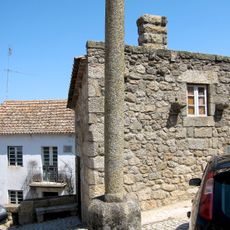
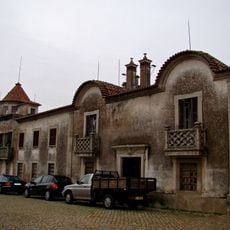
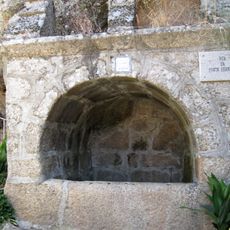
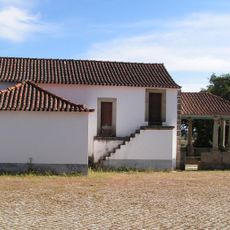
The site functions today as an open-air museum where you can walk among the ruins and explore old stone structures freely. The surroundings remain quiet with minimal modern construction, making it straightforward to navigate and experience this archaeological site authentically.
The city was a significant mining hub whose tin, lead, and zinc minerals were transported via the nearby Ponsul River to the Tejo and as far as the city of Lisbon. These trade routes reveal how important the mining business was locally for connecting the interior to distant coastal markets.
The community of curious travelers
AroundUs brings together thousands of curated places, local tips, and hidden gems, enriched daily by 92,221 contributors worldwide.