Banat, Historical region in eastern Europe
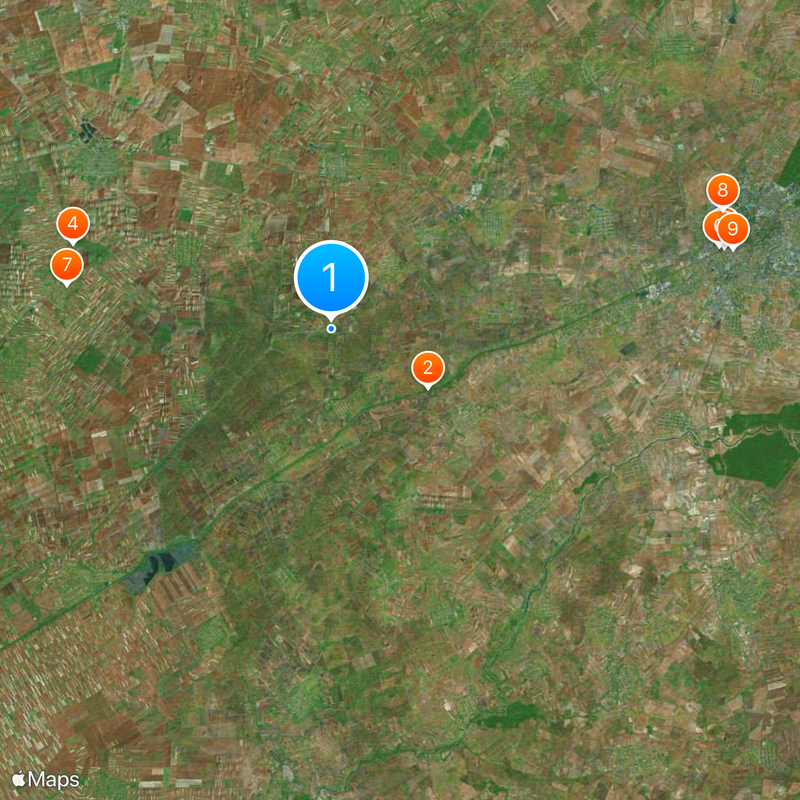
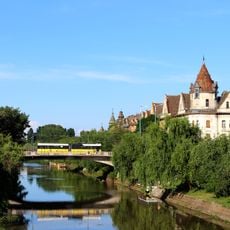
Banat is a historical region in eastern Europe stretching across parts of Romania, Serbia, and Hungary, bordered by the Mureș River to the north and the Danube River to the south. The area includes flat plains in the west and forested mountain ranges in the east, crossed by rivers such as the Timiș and Bega.
Ottoman troops governed the territory from the 16th century until 1718, when the Habsburgs gained control through the Treaty of Passarowitz. After World War I, the territory was divided among Romania, Serbia, and Hungary, with the borders remaining largely in place today.
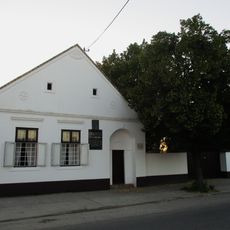
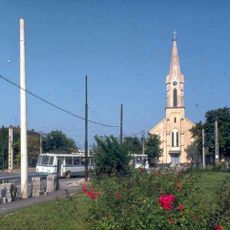
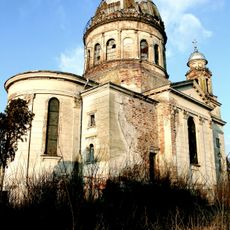
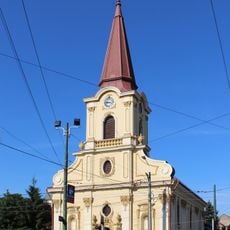
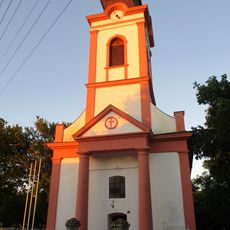
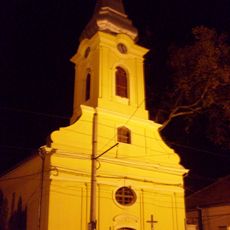
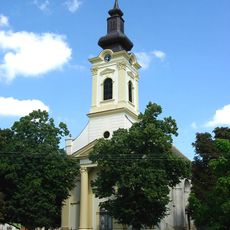
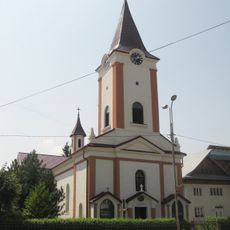
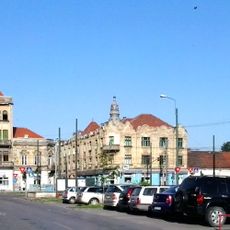
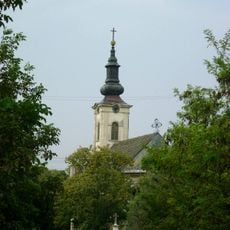
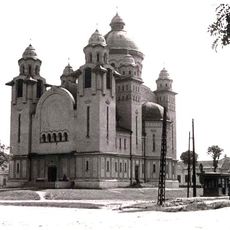
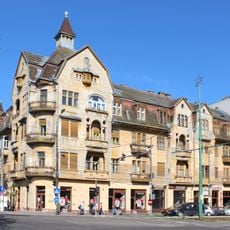
Village squares across the region today show multiple-language signage in Romanian, Serbian, and Hungarian, reflecting the everyday presence of speakers from different backgrounds. Churches representing Orthodox, Catholic, and Protestant worship stand side by side, each with its own architectural style and congregation.
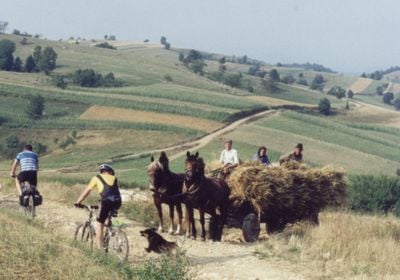
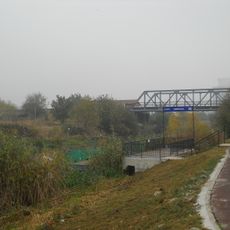
The landscape shifts from open farmland to wooded hills, with main routes generally following the rivers. Visitors exploring rural areas should bring local knowledge or maps, as signage can be sparse in some sections.
The name comes from a Persian word meaning lord, brought by the Avars to describe a border province under military administration. The eastern mountain slopes still shelter bat colonies in old mine tunnels, some of which are now protected nature sites.
The community of curious travelers
AroundUs brings together thousands of curated places, local tips, and hidden gems, enriched daily by 92,558 contributors worldwide.