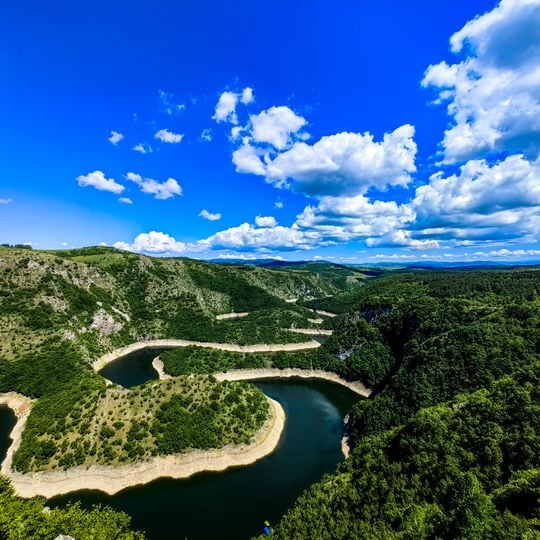
Serbia, Landlocked country in Southeast Europe.
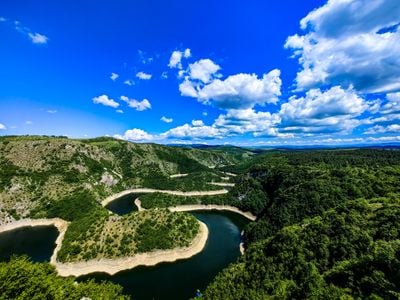
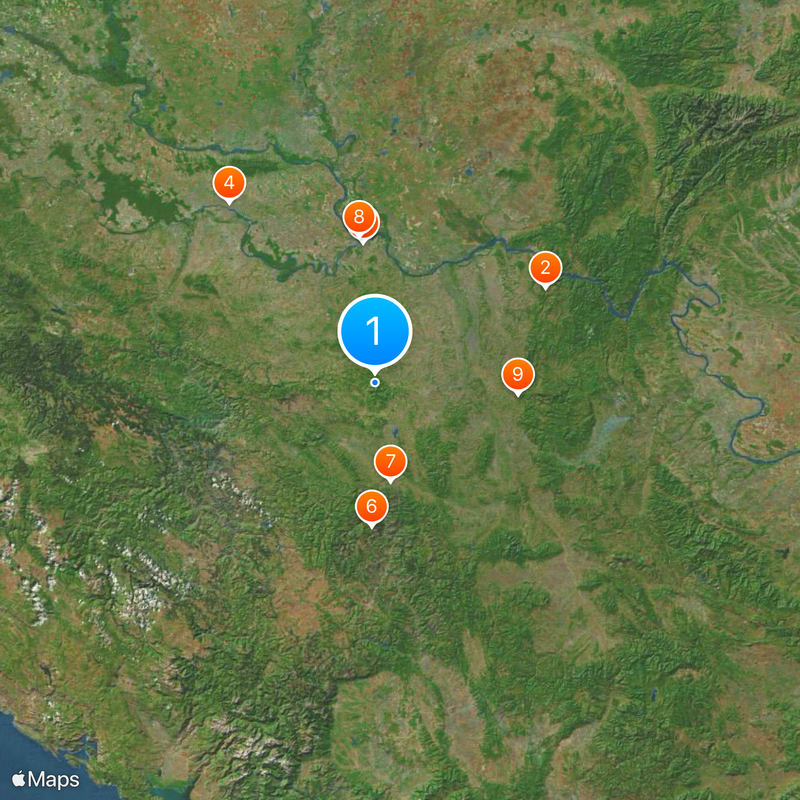
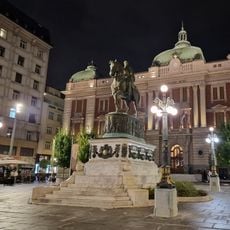
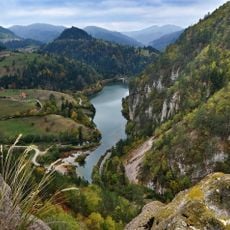
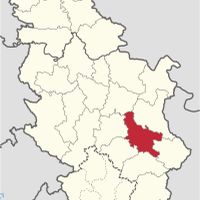
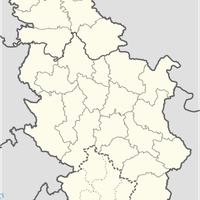
This is a landlocked republic in Southeast Europe bordered by eight neighbors, with a landscape ranging from plains in the north to mountains in the south. The Danube flows along the northern edge forming parts of the border with Croatia and Romania, while the Sava enters from the west through Belgrade.
The region gained self-rule in 1815 after centuries of Ottoman control and became fully independent in 1878. After World War I a new state was formed together with neighboring Slavic peoples in 1918, later called Yugoslavia, which lasted until the end of the 20th century.
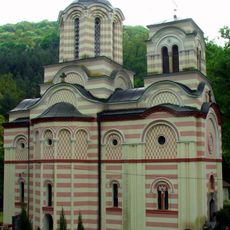
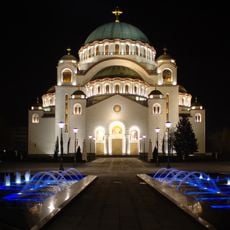
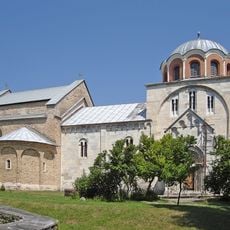
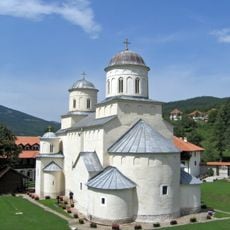
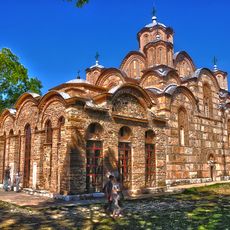
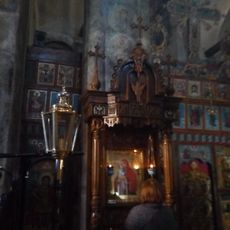
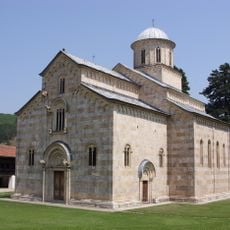
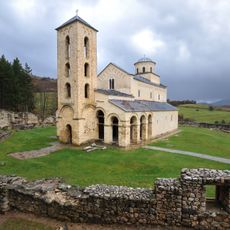
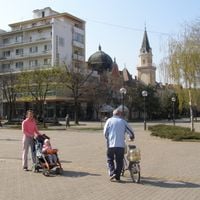
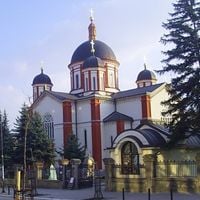
The kafana serves as a traditional gathering spot where people meet over small dishes and drinks, often staying late into the evening. In rural areas you can still see houses with painted facades and wood carvings, while in towns Orthodox churches with domes mark the skyline.
Many travelers can stay up to 90 days without a visa, though requirements vary by nationality. Currency exchange is available in larger towns and at border crossings, while cash can be useful in smaller villages.
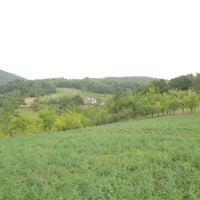
Near Negotin, grapevines grow in sandy soil that resists phylloxera infestation and holds some of the oldest ungrafted vines in Europe. These vines produce grapes without the need for grafting, which is now required in most wine regions.
The community of curious travelers
AroundUs brings together thousands of curated places, local tips, and hidden gems, enriched daily by 90,778 contributors worldwide.