Lepenski Vir, Archaeological site in Iron Gates, Serbia.
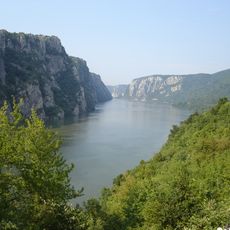
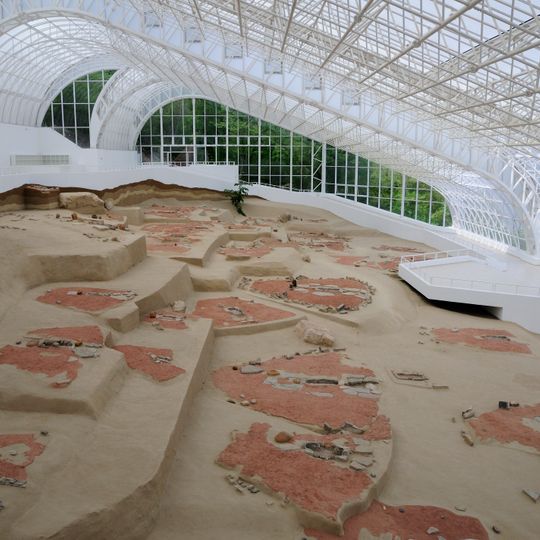
Lepenski Vir is a settlement of trapezoidal stone houses built along the Danube River banks with geometric architecture and monumental stone sculptures from around 9500 BC. The structures are arranged in rows descending toward the water and are connected to elaborately carved stone pieces that display both geometric and naturalistic forms.
Excavation at this site began in 1965 under archaeologist Dragoslav Srejovic and revealed multiple cultural layers spanning from the Mesolithic through the early Neolithic periods. These findings helped scholars understand one of Europe's oldest known settlements.
The people who lived here created stone sculptures with fish-like features and practiced specific burial rituals that reveal their spiritual connection to the river. These artistic remains show how deeply water and life by its banks shaped their beliefs and daily practices.
The entire archaeological complex was relocated in the 1970s to prevent flooding from the Iron Gate dam, and now operates as a museum site with the original structures and objects on display. Visitors can walk through the relocated settlement and study how people lived in this riverside location thousands of years ago.
Scientists discovered evidence of genetic mixing between local hunter-gatherers and early farmers from Asia Minor, documenting a crucial transition in European prehistory. This genetic data reveals how new populations reached the Danube region and intermingled with existing communities over generations.
The community of curious travelers
AroundUs brings together thousands of curated places, local tips, and hidden gems, enriched daily by 91,860 contributors worldwide.