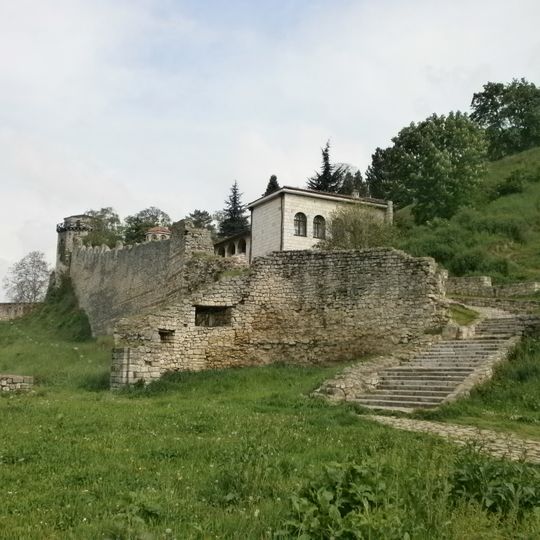
Kalemegdan Park, Public park at the confluence of Sava and Danube rivers, Belgrade, Serbia
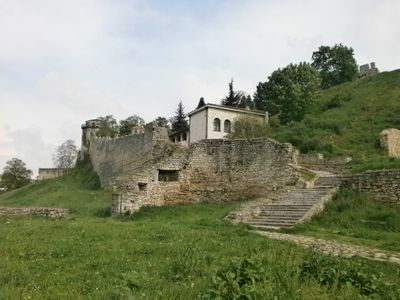
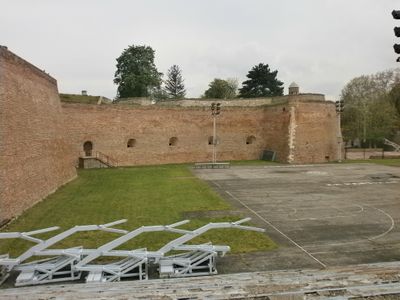
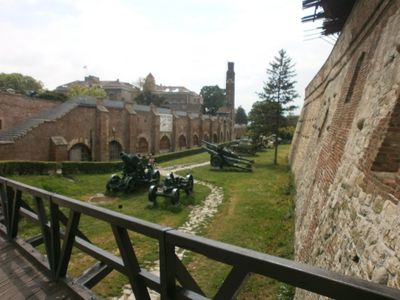
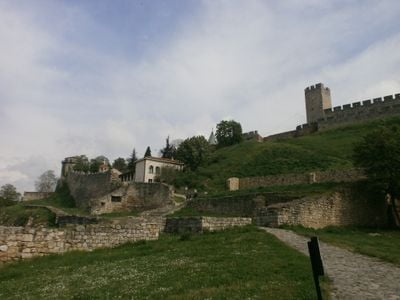
Kalemegdan Park is a large green area at the point where the Sava meets the Danube in Belgrade, Serbia. The grounds divide into two sections, Great and Little Kalemegdan, with thousands of trees and wide paths running along the raised land above the rivers.
Kalemegdan was an empty strip between the Sava and Danube used by the Ottoman army for training and reviews. After the 1867 handover of the fortress to Prince Mihailo Obrenović, works began in 1869 on a plan by Emilijan Josimović. Levelling and planting followed King Milan's order, inspired by French parks, and the city took over the park in 1890.
The name joins the Turkish kale (fortress) and meydan (square), recalling the field where the Ottoman army assembled. In the 19th century the Little Kalemegdan fairground hosted Belgrade's first recorded circus in 1845, where residents reportedly saw an elephant for the first time, and Ilija Božić staged the first Serbian puppet show, Kuku, Todore.
Visitors can explore the Belgrade Zoo in Little Kalemegdan, walk along the tree-lined paths, and reach viewpoints overlooking both rivers. The grounds are accessible on foot from the city center and work well for relaxed walks any day of the week.
The name combines the Turkish words kale for fortress and meydan for square, reflecting the military past at this strategic river junction. This linguistic heritage shows how the Ottoman period remains visible in the naming of the site today.
The community of curious travelers
AroundUs brings together thousands of curated places, local tips, and hidden gems, enriched daily by 93,121 contributors worldwide.