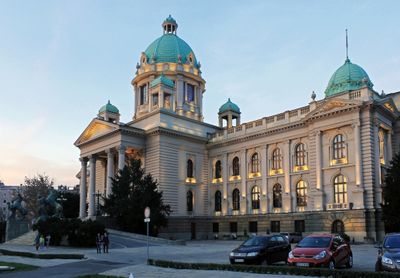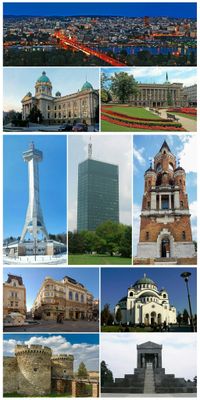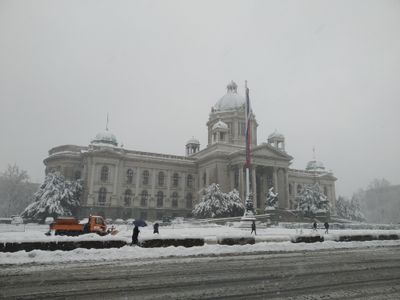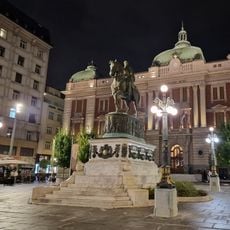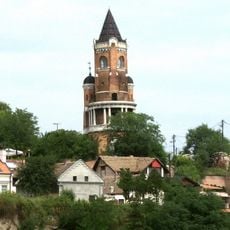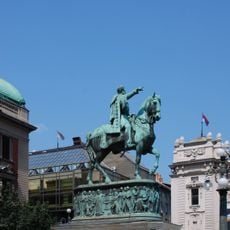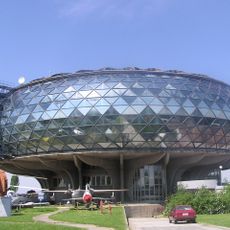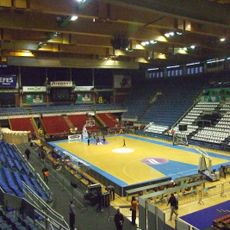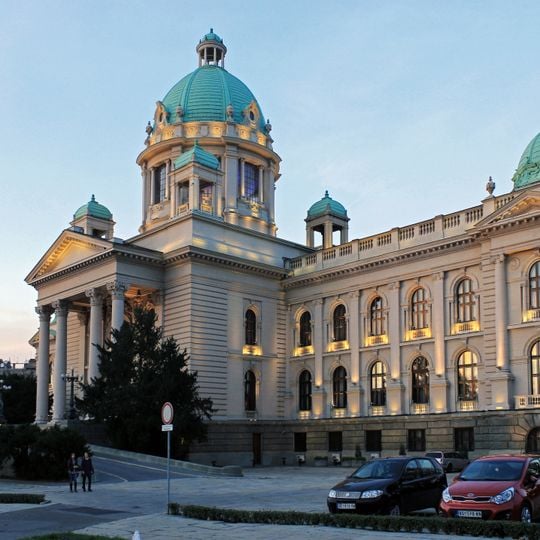
Belgrade, Capital city at the confluence of Sava and Danube rivers, Serbia
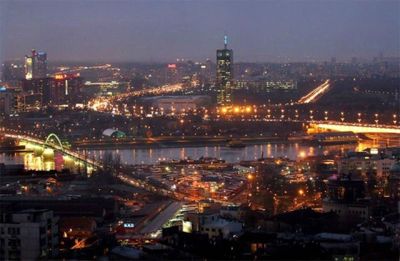
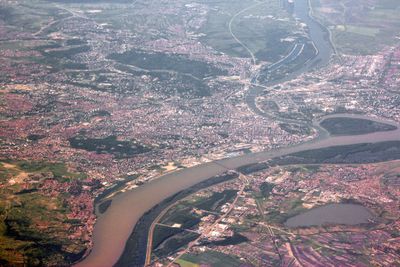
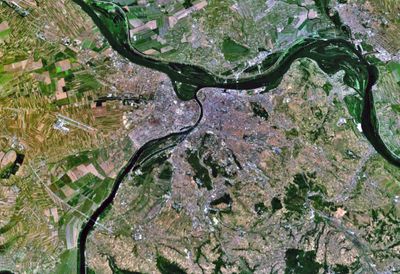
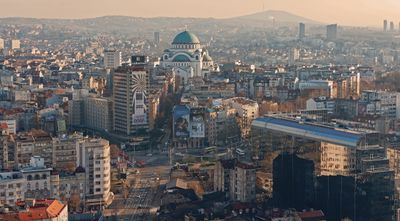
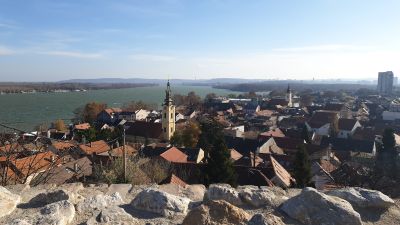
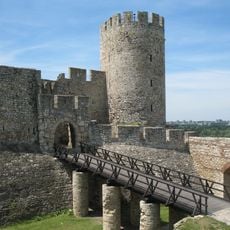
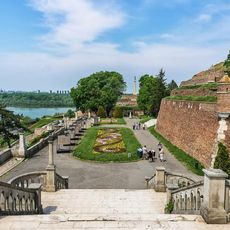
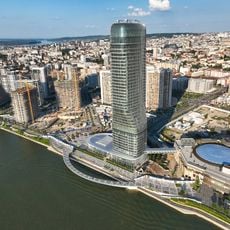
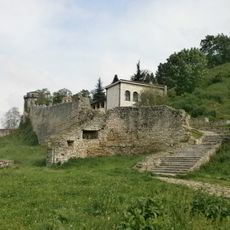
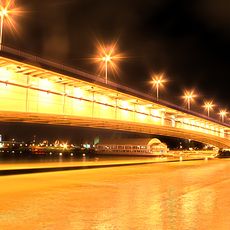
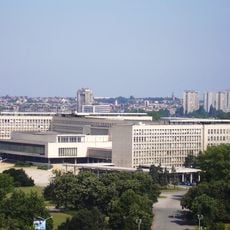
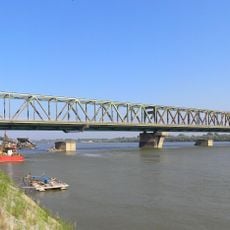
The capital spreads across both banks of the Save and Danube, with the old fortress sitting on a limestone ridge above the waters. The city extends in all directions, with residential neighborhoods alternating with green spaces and wide boulevards connecting different urban centers.
The settlement began in the third century before Christ as a Celtic foundation and changed hands many times over the centuries between different empires. It became the capital of Serbia in the nineteenth century and grew into an important political center in the Balkans.
On summer evenings, families gather in kafanas where traditional music and conversation continue late into the night. The city follows a relaxed rhythm where dinner often starts after nine and socializing matters more than punctuality.
Trams and buses run regularly through the city and connect the different neighborhoods, with day passes available at kiosks. Most attractions lie within walking distance in the center, while the riverbanks work well for strolling or cycling.
Along both rivers sit floating restaurants and clubs known as splavovi, which draw crowds especially during summer. These venues often remain anchored year-round and offer a particular view of the water and the city beyond.
The community of curious travelers
AroundUs brings together thousands of curated places, local tips, and hidden gems, enriched daily by 90,768 contributors worldwide.