Kinđa, Copper Age burial mound near Kikinda, Serbia
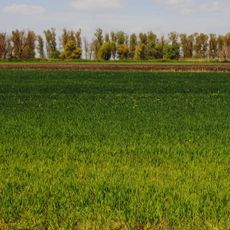
Kinđa is a prehistoric burial mound located near Kikinda in northern Serbia. The circular structure rises approximately 6 meters above the surrounding landscape and measures roughly 50 meters across at its base, making it a noticeable feature in the flat terrain.
This mound dates back to the Copper Age, a period roughly 5,000 to 7,000 years ago when early communities first established settlements across Eastern Europe. Archaeological evidence suggests that nomadic groups from southern steppes migrated to this region during that era.
Local stories connect this mound to ancient invaders and their leaders, while the site represents an important landmark in regional memory. The place holds meaning as a link between the visible landscape and the deeper past that shaped the area.
The site can be challenging to reach during wetter months since it sits in former marshland with low-lying, waterlogged terrain. Visitors should come prepared with sturdy footwear and clothing that handles wet ground conditions.
The mound harbors rare native plants, including European feather grass and crested wheat grass, species that have disappeared from other areas in the region. These plants have endured on this raised ground where conditions have shifted less dramatically than across the surrounding lowlands.
The community of curious travelers
AroundUs brings together thousands of curated places, local tips, and hidden gems, enriched daily by 92,664 contributors worldwide.