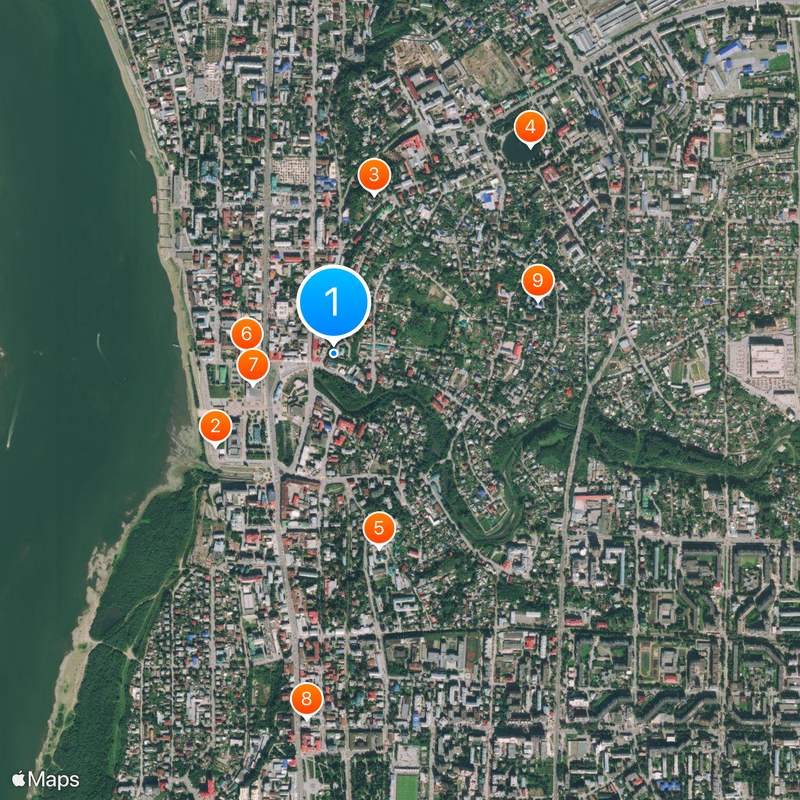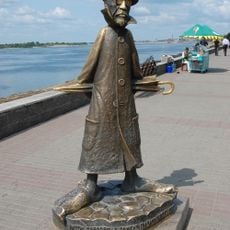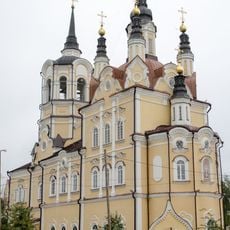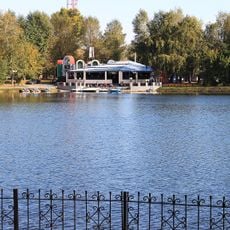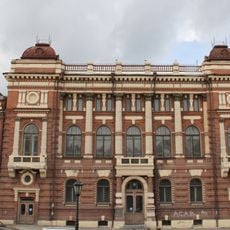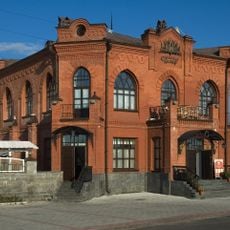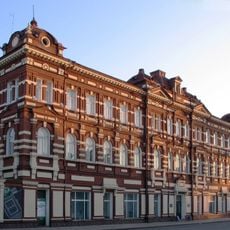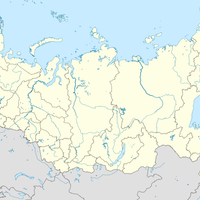
Tomsk, University city in Western Siberia, Russia.
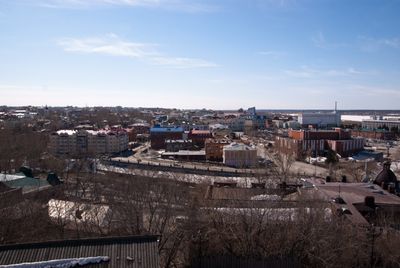
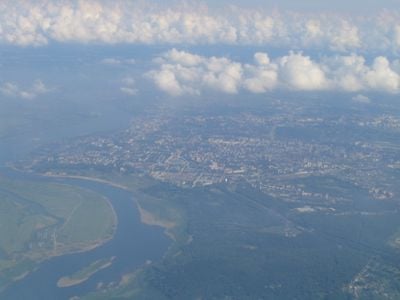
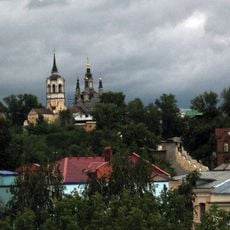
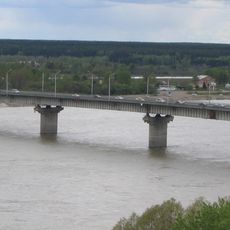
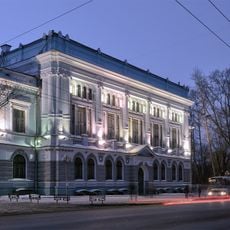
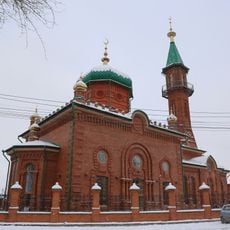
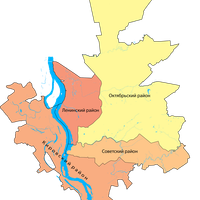
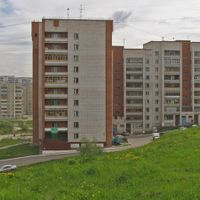
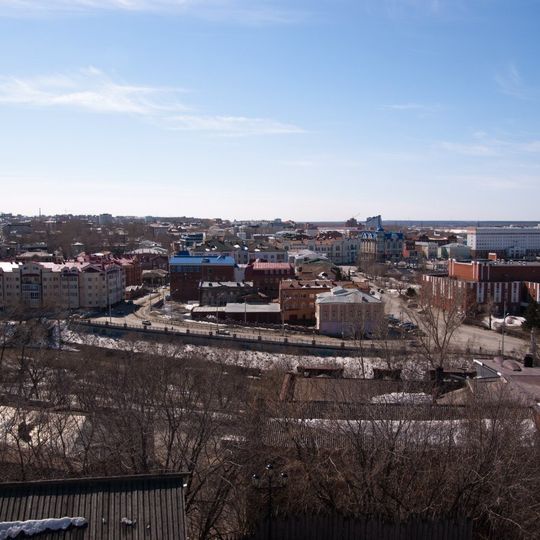
Tomsk is a large city in western Siberia that stretches along the eastern bank of the Tom River, incorporating university campuses, districts with historic wooden architecture, and modern residential zones. The streets of the city center follow irregular patterns, older residential neighborhoods alternate with parks, and the river forms a natural western boundary for the built-up area.
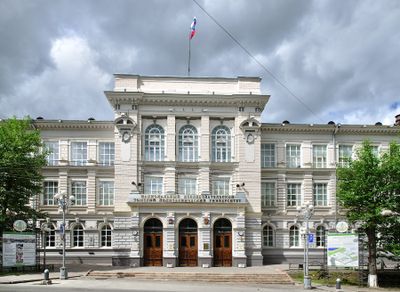
A fortress built in 1604 on the orders of Tsar Boris Godunov marked the founding of the settlement and its role as a military outpost against nomadic tribes in the region. By the late 19th century, the place had transformed into a center for research and teaching after the opening of the first Siberian university.
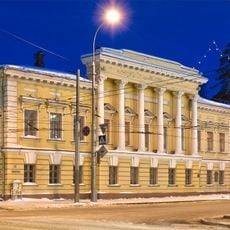
On the walls of university buildings hang memorial plaques for former scholars, and in the streets students carrying stacks of books move between lectures and canteens. Residents often meet in tea rooms or small parks to discuss literature, science, and local news, shaping the atmosphere of a city where education is deeply rooted in daily life.
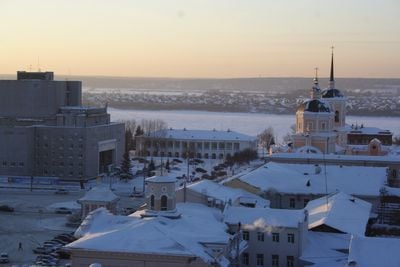
Trolleybuses and buses connect the neighborhoods, while the railway station offers access to a branch of the Trans-Siberian Railway that allows travel to nearby cities. Streets are often snow-covered in winter, so plan for sturdy footwear and warm clothing, especially between November and March.
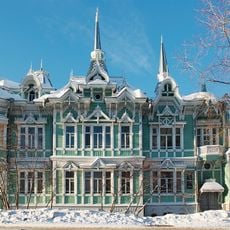
Hundreds of houses from the 19th century display wood carvings on window frames and roof edges, depicting flowers, geometric patterns, and sometimes mythological figures. Many of these buildings remain inhabited today, and walking around reveals how traditional craftsmanship accompanies the daily life of residents.
The community of curious travelers
AroundUs brings together thousands of curated places, local tips, and hidden gems, enriched daily by 90,902 contributors worldwide.