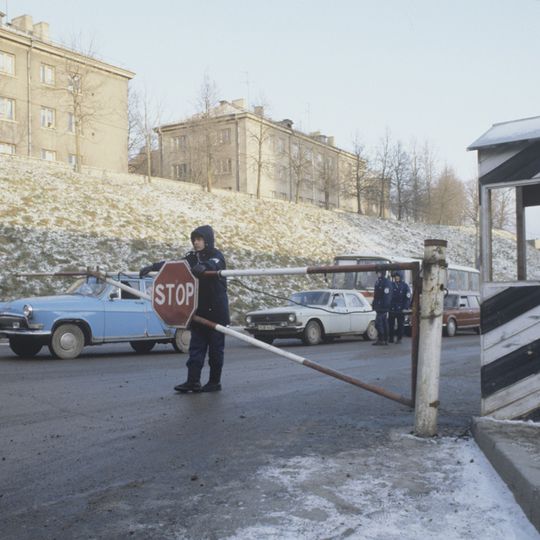
Estonia–Russia border, international border
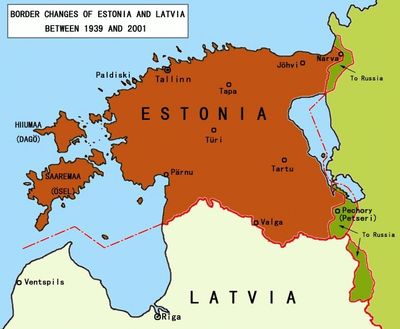
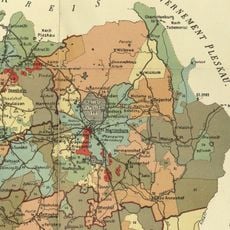
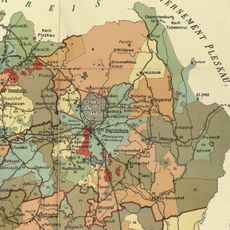
The Estonia-Russia border is an international boundary stretching about 294 kilometers, running mainly along rivers and lakes that form natural dividing lines. Multiple official crossings exist, with Narva-Ivangorod being the most known, featuring the Friendship Bridge that connects the Estonian city with the Russian town.
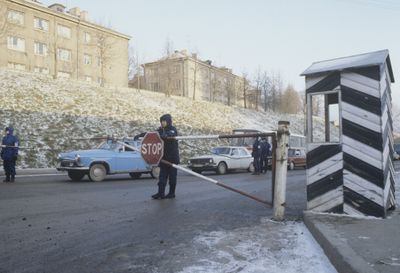
The border was established in 1918 when Estonia declared independence after World War I, based on treaties spanning centuries. During Soviet rule it became a strictly controlled internal boundary with military posts, then re-emerged as an international border when Estonia regained independence in 1991.
The border area reflects a long history of people crossing for family, trade, and work on both sides. Local communities have adapted to living at this division, where daily life intersects with the rules that separate two nations.
Crossing requires passports and visas, with long waits at checkpoints especially during summer being common. It helps to have all documents ready, wear comfortable clothes, and check current border conditions beforehand, as rules change frequently and different crossings have different requirements.
The Saatse Boot is a small piece of land where people once crossed freely but now faces strict controls, creating local stories about freedom of movement. This unusual geographic oddity shows how everyday places become symbols through political change.
The community of curious travelers
AroundUs brings together thousands of curated places, local tips, and hidden gems, enriched daily by 92,653 contributors worldwide.