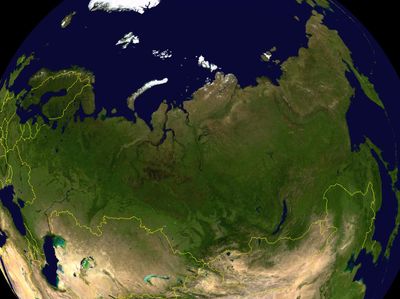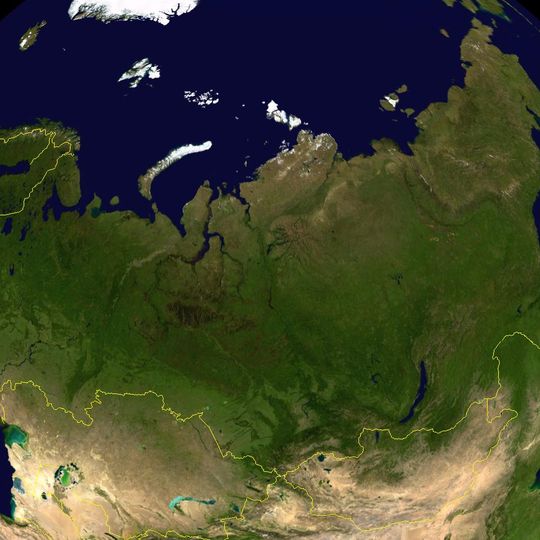
Geography of Russia, Geographic territory in Northern Eurasia, Russia.
This territory stretches across two continents and includes forests, steppes, mountains and arctic tundra on an area larger than any other single country. The land touches three oceans and borders 14 neighboring nations, crossing eleven time zones.
The territory grew eastward from the 16th century through conquest until it reached the Pacific and later stretched into North America. In the 19th century, the empire sold its American holdings and focused on its Eurasian heartland.
The land shapes how people live and celebrate across the country, from reindeer herding in the far north to wine growing near the Black Sea. These geographic differences appear in regional food, dress and festivals that vary widely depending on climate and terrain.
The country divides into many administrative units with varying autonomy, including republics, regions and federal cities. Travelers should keep in mind that distances can be enormous and climate changes dramatically depending on latitude and elevation.
A large lake in eastern Siberia holds one fifth of the planet's unfrozen freshwater and reaches more than 1600 meters (5249 feet) deep. Its isolated location has produced animal species that exist nowhere else on the planet.
The community of curious travelers
AroundUs brings together thousands of curated places, local tips, and hidden gems, enriched daily by 91,979 contributors worldwide.