European Russia, Geographic region in Western Russia
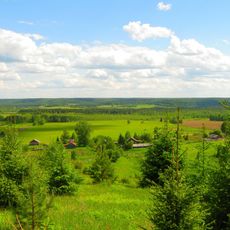
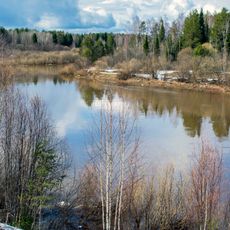
The European half of Russia begins at the western borders and extends eastward to the Ural range. The landscape alternates between wide plains, dense forests, and large rivers that flow through dozens of smaller and larger towns.
Kiev grew in the 9th century as the center of an early state that expanded northward and eastward. Later the political center shifted to Moscow, which became the capital of several empires over the centuries.
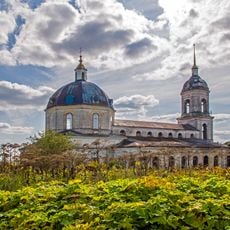
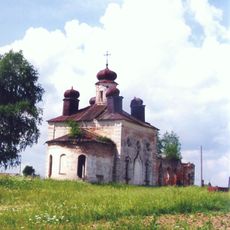
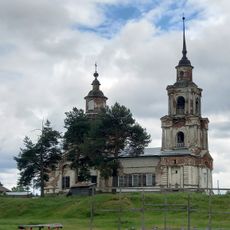
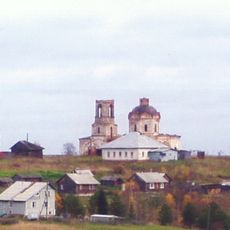
Residents speak mostly Russian and preserve regional dialects and traditions from the northern coast to the foothills of the Caucasus. Orthodox churches shape many towns and villages and play a visible role in people's daily lives.
Travelers find trains and buses between most cities, but distances can be long and require lengthy trips. Those visiting multiple regions should plan time for stops along the way and consider regional climate differences.
Despite its name, the area reaches far beyond the European continent and includes southern parts down to the Caspian Sea. Some border regions lie closer to Asian neighbors than to western European capitals.
The community of curious travelers
AroundUs brings together thousands of curated places, local tips, and hidden gems, enriched daily by 92,452 contributors worldwide.