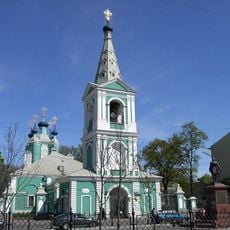
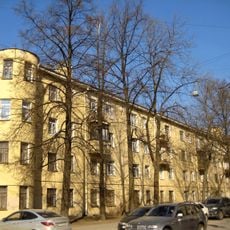
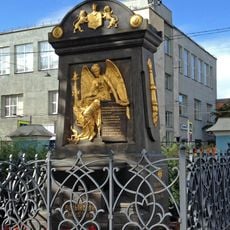
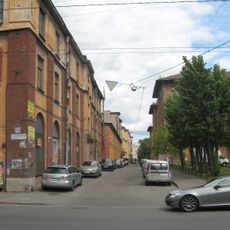
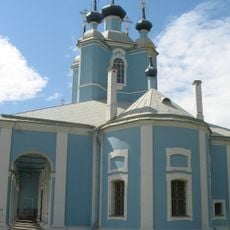
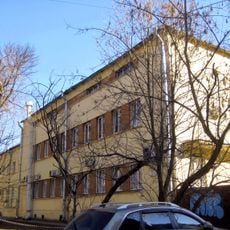
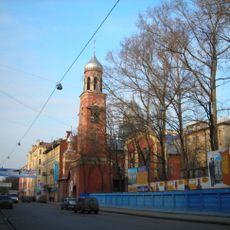
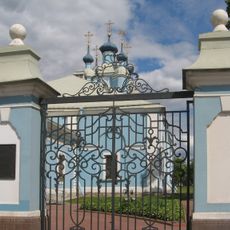
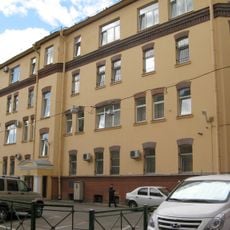
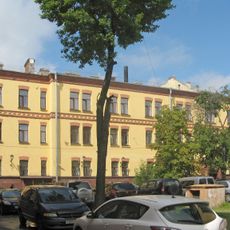
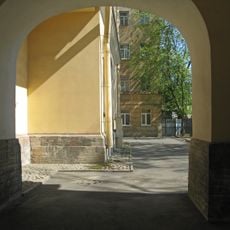
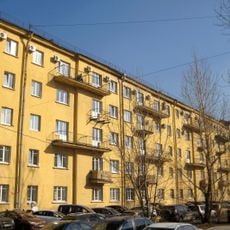
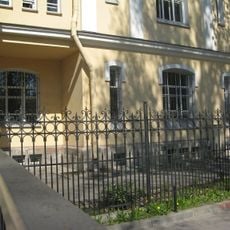
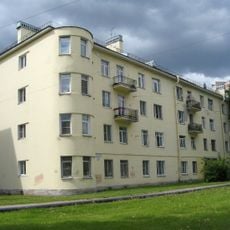
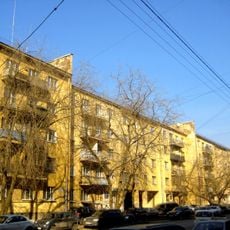
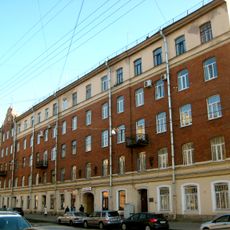
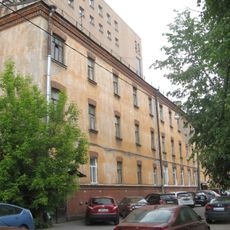
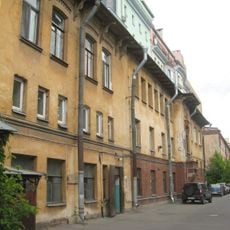
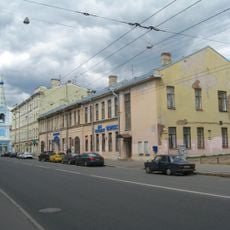
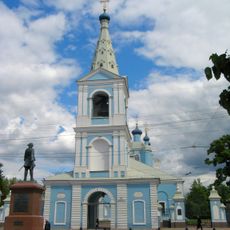
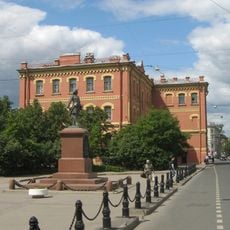
Vyborg Side, Historic district on right bank of Neva River in Saint Petersburg, Russia
The Vyborg Side is a district in the northern and northeastern sections of Saint Petersburg, spanning across several administrative areas including Vyborg, Kalinin, and parts of others. The area is characterized by numerous factories, research institutions, and educational facilities connected by metro stations and major roads.
The area was established in 1718 by Peter I as one of five administrative divisions of Saint Petersburg and kept this status until the 1917 February Revolution. This early administrative structure formed the foundation for the neighborhood's development over two centuries.
The area became known through Soviet-era films that told stories of factory workers, featuring a famous character named Maxim in multiple productions. This connection to working-class narratives still shapes how people think of the neighborhood in Russian popular culture.
The area is well served by multiple metro stations and easy to navigate with a network of major roads. Visitors can find museums, schools, and research centers spread throughout the neighborhood and connected by public transportation.
The neighborhood takes its name from an old Swedish road that connected Saint Petersburg to the city of Vyborg through the former settlement of Nien. This historical connection shows how trade routes shaped the city's growth long before modern infrastructure was built.
The community of curious travelers
AroundUs brings together thousands of curated places, local tips, and hidden gems, enriched daily by 92,641 contributors worldwide.