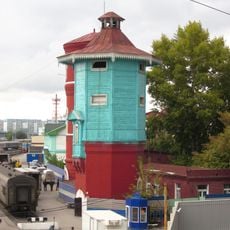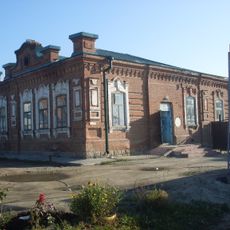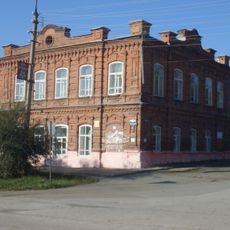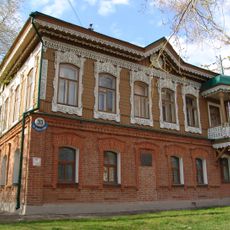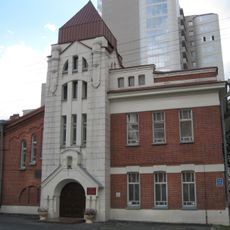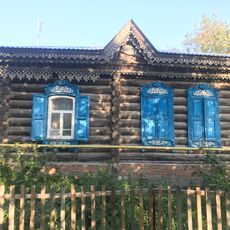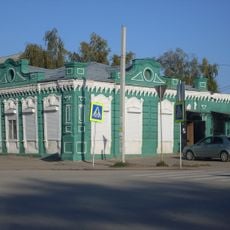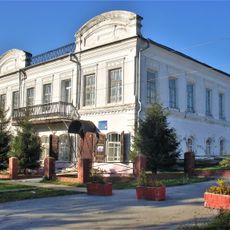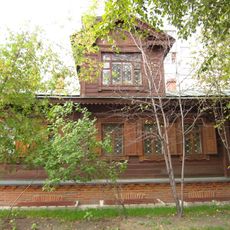
Western Siberia, Geographical region in Russia.
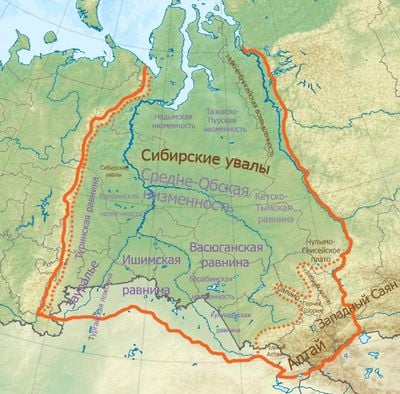
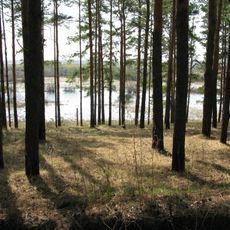
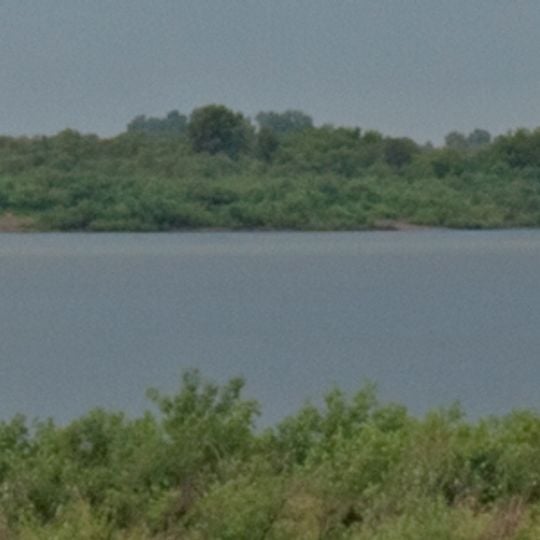
Western Siberia runs from the Ural Mountains eastward to the Yenisei River, forming a vast lowland plain covered in marsh, taiga forest, and river valleys that seem to go on without end. The land stays mostly flat, with wide horizons and a network of slow-moving rivers cutting through wetlands and grasslands.
Cossack forces pushed into the region in the late 1500s, defeating local Tatar rulers and opening the territory for Russian settlement. The discovery of oil and gas in the 1900s changed the region completely, bringing industrial towns and workers to a land that had been mostly empty.
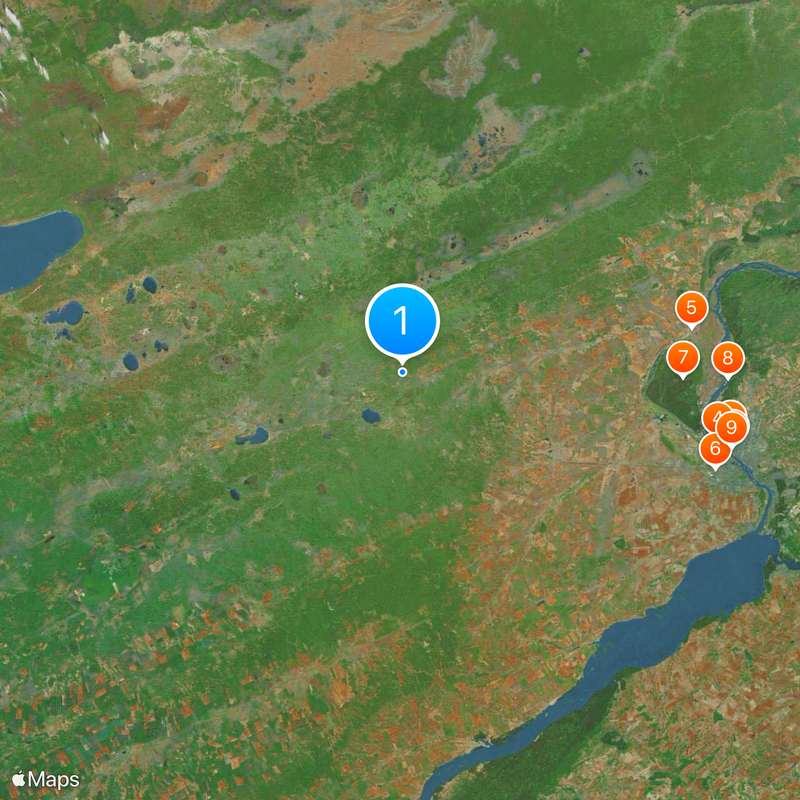
The population distribution in Western Siberia shows concentrated urban centers like Novosibirsk amid vast rural areas where indigenous communities maintain their traditions.
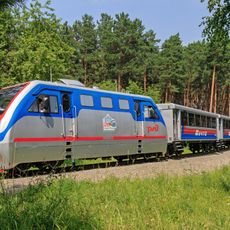
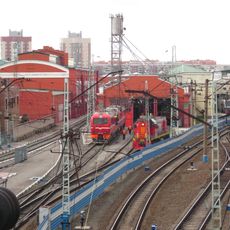
Distances are enormous, and travel between cities can take many hours by train or car along long, straight roads. Warm clothing is essential in winter, while summer months bring mosquitoes and damp conditions in the marshy areas.
The region holds some of the largest oil and gas fields in the world, hidden beneath the wide plains. Pipelines cross the land, connecting remote drilling sites with distant cities and ports.
The community of curious travelers
AroundUs brings together thousands of curated places, local tips, and hidden gems, enriched daily by 91,922 contributors worldwide.