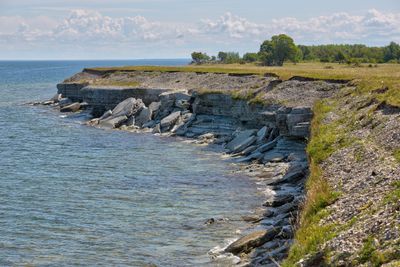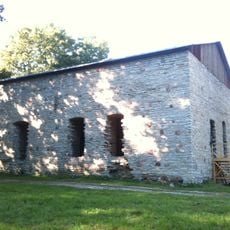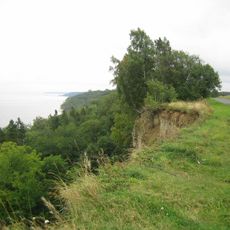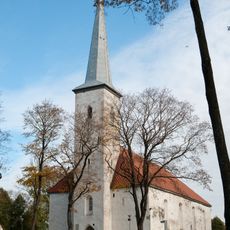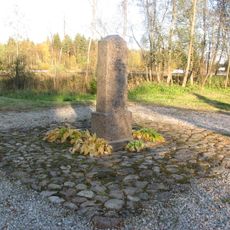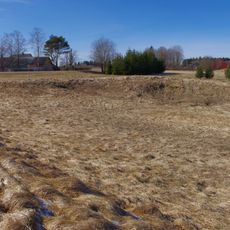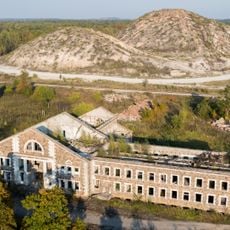
Baltic Klint, Limestone escarpment between Estonia and Russia.
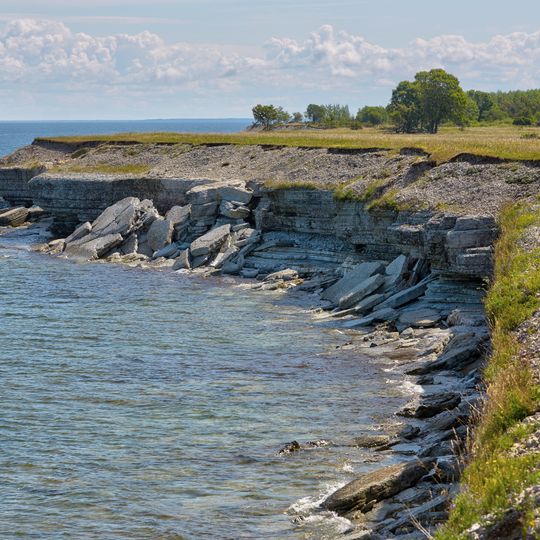
The Baltic Klint is a limestone escarpment running along the coast between Estonia and Russia, with steep cliffs that vary in height across different locations. Exposed layers of sedimentary rock formations are visible throughout, creating a distinctive geological face along the shoreline.
The escarpment formed during ancient geological periods when sedimentary rocks accumulated in layers beneath ancient seas. Glacial activity during the last ice age later shaped the current steep cliffs we see today.
The escarpment holds deep meaning for Estonia, appearing on historic banknotes and serving as a symbol of national landscape identity. Visitors notice how the formation shapes the way locals relate to their coastline and geography.
Visitors can view the escarpment from several observation points positioned along the coast to see the rock layers up close. The driest months offer the best access to viewpoints and allow comfortable viewing of the geological formations.
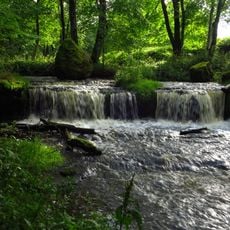
A dramatic waterfall plunges over the cliff edge at one location, dropping a remarkable height straight down to the shore below. The falls emerge from groundwater flowing through the rock layers within the escarpment itself, creating a striking natural feature.
The community of curious travelers
AroundUs brings together thousands of curated places, local tips, and hidden gems, enriched daily by 92,452 contributors worldwide.