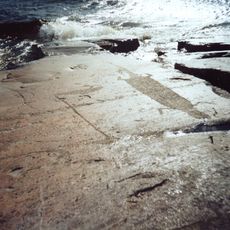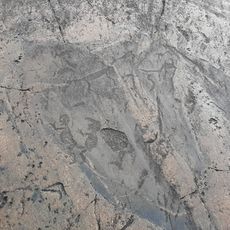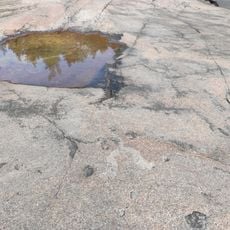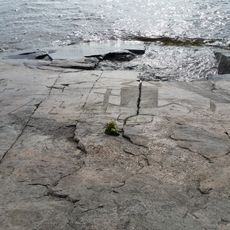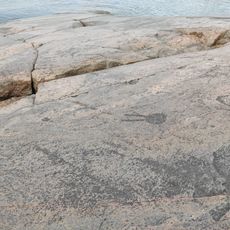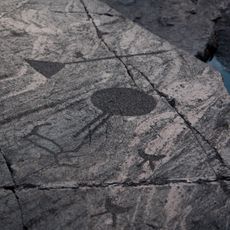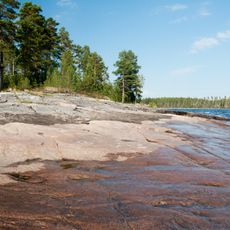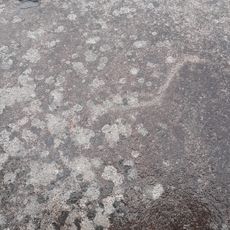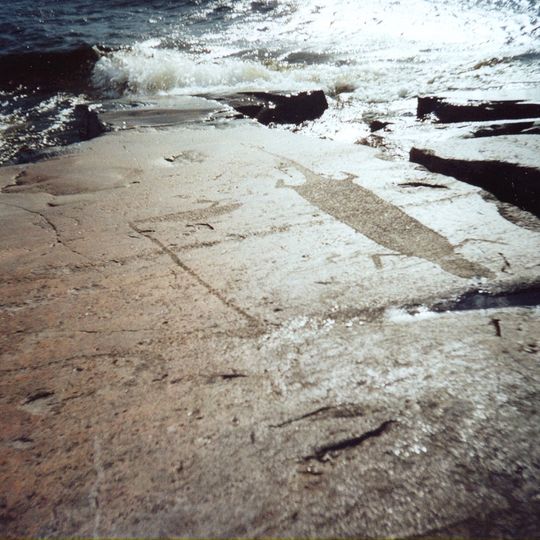
Onega petroglyphs, Archaeological site in Krasnoborskoye rural settlement, Russia.
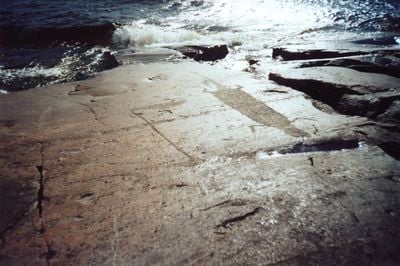
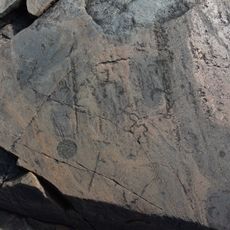
The Onega petroglyphs are rock carvings along the eastern shore of Lake Onega in northwestern Russia. Roughly 1,200 engravings spread across about 22 locations, showing patterns that depict people, animals, and scenes from ancient times.
The carvings date to around 5,000 to 4,000 years ago and document the lives of Neolithic communities in the Fennoscandia region. They show evidence of early hunting societies that inhabited these northern territories.
The carvings depict birds, animals, human figures, boats, and hunting scenes that reflect the daily life and beliefs of early inhabitants. These images show what mattered most to the people who lived here.
The petroglyphs are located in a rural region and are best reached through guided tours that explain the meaning of the different carvings. Wear sturdy shoes and prepare for changing weather, as the sites sit in a rugged northern climate.
The carvings contain combinations of symbols suggesting that early inhabitants tracked movements of the sun and moon across the sky. This attention to the heavens shows they aligned their seasons and activities according to these patterns.
The community of curious travelers
AroundUs brings together thousands of curated places, local tips, and hidden gems, enriched daily by 91,527 contributors worldwide.