Velikiye Luki Fortress, Military fortress in Velikiye Luki, Russia
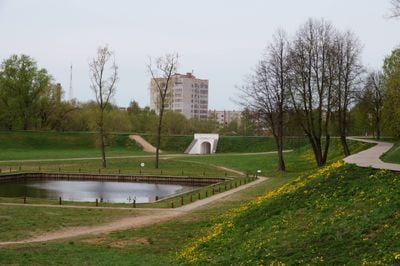
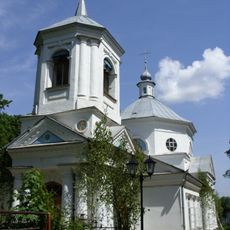
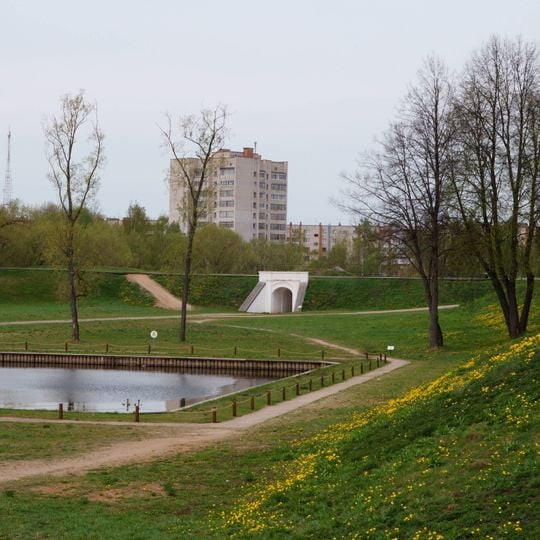
Velikiye Luki Fortress is a stone and earthwork fortification built along the Lovat River in Velikiye Luki, Russia, listed as a federal cultural heritage site. It consists of bastions, casemates, and defensive walls arranged to control the river crossing and the approaches around it.
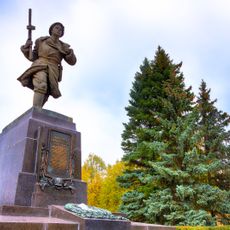
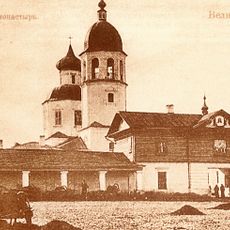
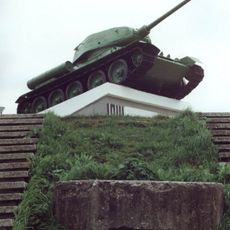
The fortress was established in 1704 under Peter the Great to protect the region along key trade routes between Russia and the Baltic. During the winter of 1942 to 1943, the city became the site of heavy fighting when Soviet forces drove out the German occupiers.
The fortress grounds sit openly in the city and can be walked through without formal entry, making them a natural part of everyday urban life. The earthen ramparts and stone sections show how the site was shaped to control the Lovat River crossing.
The site has no fixed entry gates, so it can be visited at most times of day, though daylight makes the walk through the ramparts far easier to manage. Sturdy shoes are a good idea as paths cross uneven ground, stone steps, and raised sections along the walls.
In 1580, a gunpowder magazine inside the fortification exploded during a siege, directly altering the outcome of that military encounter. This kind of internal accident with explosive stores was as real a threat to defenders as the attackers outside the walls.
The community of curious travelers
AroundUs brings together thousands of curated places, local tips, and hidden gems, enriched daily by 91,516 contributors worldwide.