Yasenevo Palace, Baroque estate in Moscow, Russia
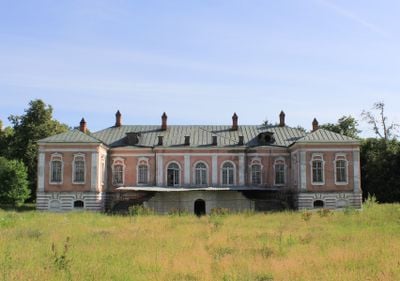
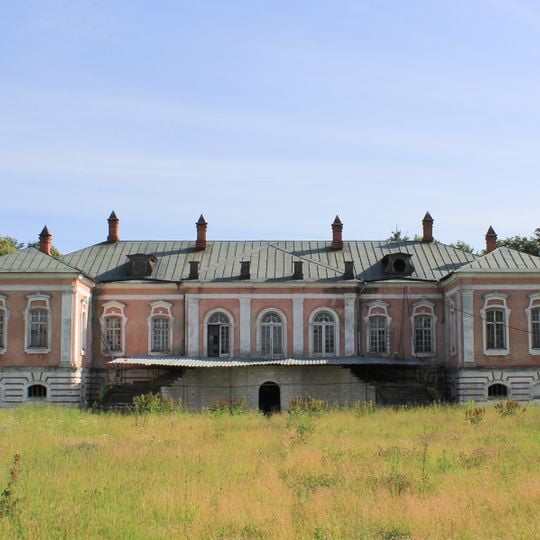
Yasenevo Palace is a symmetrical Baroque estate building with a salmon-pink facade and white window surrounds, its central two-storey block flanked by lower side wings under a grey metal roof with seven brick chimneys. The grey rusticated base has arched basement openings, and a grey canopy on thin posts covers the dark arched entrance doorway.
Yasenevo was first recorded between 1336 and 1339, when Ivan Kalita bequeathed the village of Yasinovskoye to his son Andrei. In 1690 Peter I granted the estate to his father-in-law Fyodor Lopukhin; after Abraham Lopukhin's execution in 1718 it returned to the crown, and in 1725 Catherine I gave it to Dmitry Shepelev. Restoration of the manor has been unfinished since the 1970s.
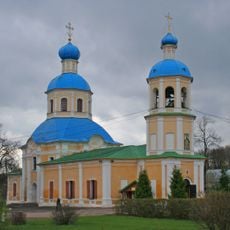
The estate's name comes from the village of Yasinovskoye, first recorded in Ivan Kalita's charter of 1336–1339. Patriarch Filaret had a wooden church built here after the Time of Troubles, dedicated to Saints Faith, Hope, Love and their mother Sophia; Tsar Alexei replaced it in 1674 with a larger two-tier wooden church. The park is open, but the manor court and house remain closed.
The grounds are accessible by public transportation, with several bus routes serving the area near the estate. Wearing comfortable shoes is helpful, as exploring the full property and surrounding green spaces involves considerable walking.
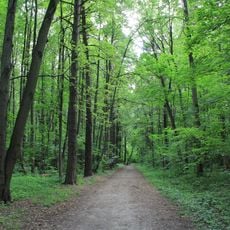
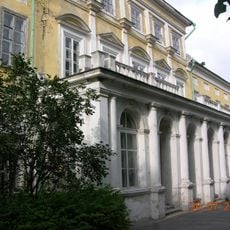
The estate lies within Bitsa Park near Novoyasenevskaya metro station, and its park territory is open for free visiting. The formal courtyard and the manor house with its wings, however, have been closed since restoration work begun in the 1970s and never finished.
The community of curious travelers
AroundUs brings together thousands of curated places, local tips, and hidden gems, enriched daily by 94,118 contributors worldwide.