Voronovo Estate, 18th century estate in Moscow region, Russia
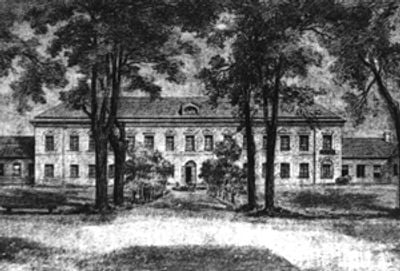
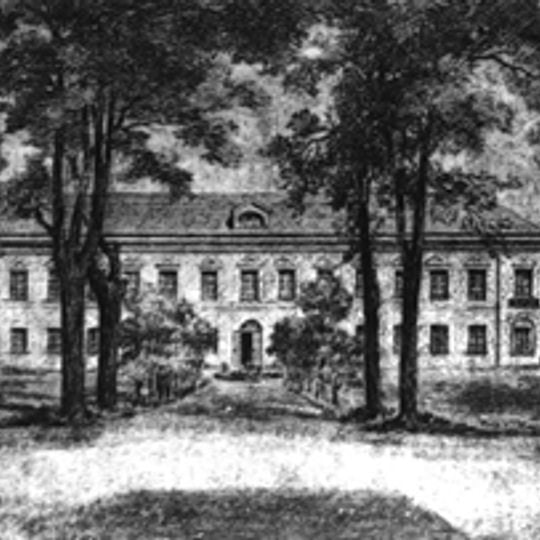
Voronovo Estate is a two-story building with a light facade and a dark hipped roof, divided by pilasters. An arched doorway sits at the center of the ground floor, with rectangular windows above and a small dormer on the roof. The south wing was dismantled in the 19th century, and the north wing remains largely unchanged.
The Volynsky family founded the estate in the 16th century, and it passed to the Vorontsov family through marriage in the 18th century. During Napoleon's 1812 invasion, the main house was destroyed and lost its valuable decorative elements.
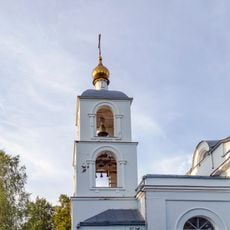
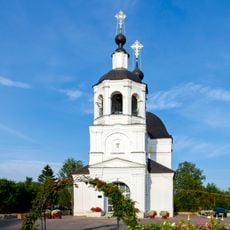
The estate's name comes from the Volynsky family, whose ancestor Voronoy gave the village and the river Voronka their names. The Dutch House is a surviving baroque park pavilion, while the Church of the Savior (1763) was built as the burial place of the Vorontsov couple; it stayed open in Soviet times, so its original interior survives. The architect Karl Blank worked on the park, not on the Dutch House.
The estate has operated since 1949 as a closed rest home, now under the Ministry of Economic Development, so access is not open to the public. The main house stands on the site of the burned palace, with the north wing and former gallery largely unchanged and the south wing rebuilt to match. The Church of the Savior, never closed in Soviet times, keeps its original interior.
The circumstances surrounding Count Rostopchin's destruction of the property in 1812 remain mysterious, particularly the fate of valuable marble and bronze sculptures. These lost artworks continue to raise questions about the family's past and the chaos of the invasion.
The community of curious travelers
AroundUs brings together thousands of curated places, local tips, and hidden gems, enriched daily by 93,239 contributors worldwide.