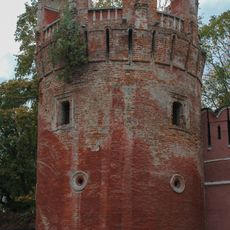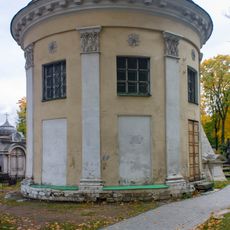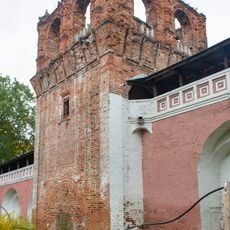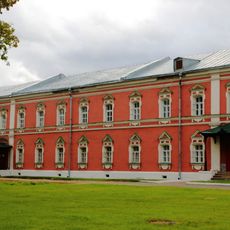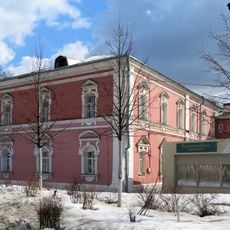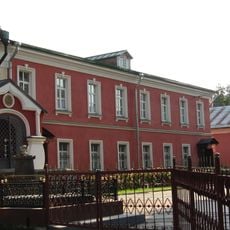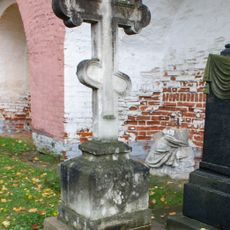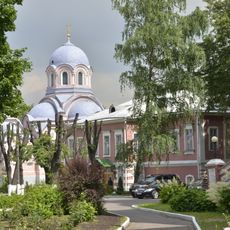
Cemetery in Donskoy Monastery, Necropolis near Donskoy Monastery, Moscow, Russia
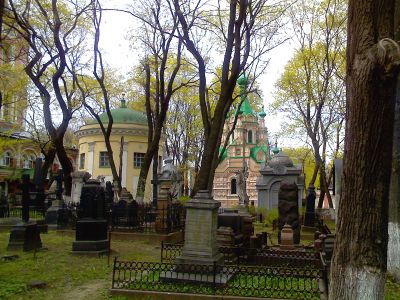
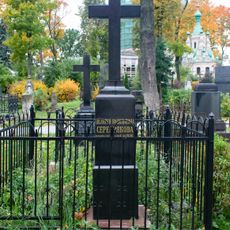
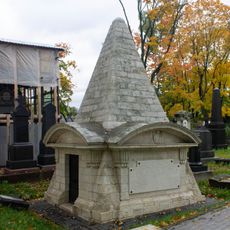
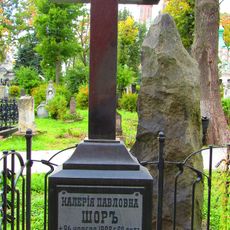
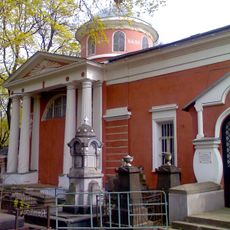
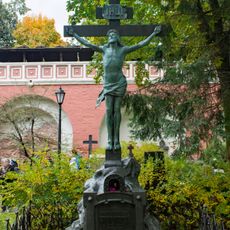
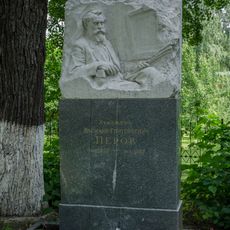
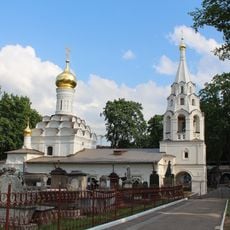
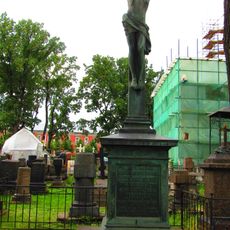
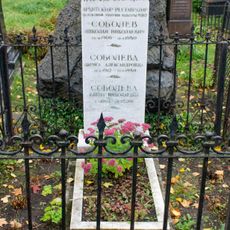
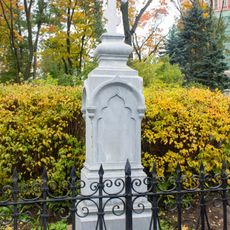
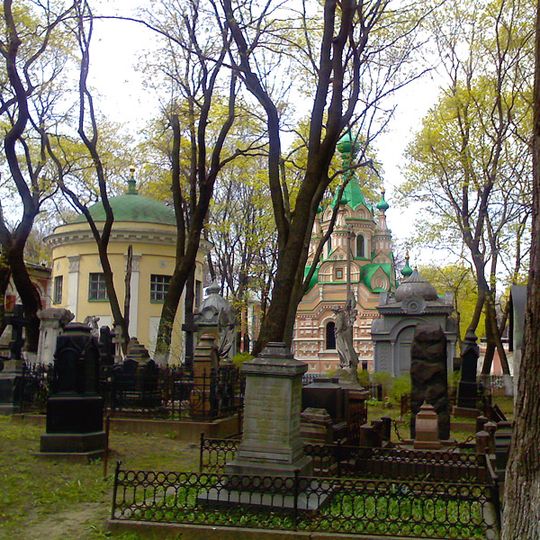
The Cemetery in Donskoy Monastery is a burial ground in the Donskoi District of southern Moscow, Russia. The site consists of multiple sections with marble tombstones, crosses, and decorated memorials set among mature trees.
The cemetery grew rapidly after 1771, when Catherine II banned burials inside Moscow and noble families moved their tombs here from churches in the White City, such as the Golitsyns from the Epiphany Monastery. Plots cost up to 3,000 rubles by the mid-19th century. Unlike Novodevichy, it escaped Soviet reconstruction, and in the 1930s tombstones were brought from demolished cemeteries, including Prince B. A. Kurakin's from Chudov Monastery.
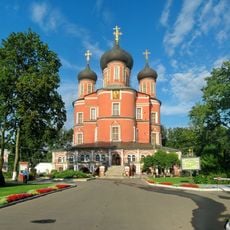
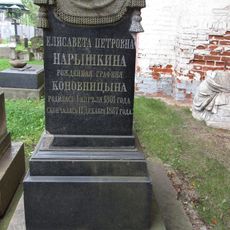
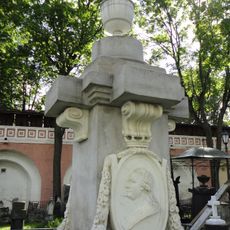
The necropolis takes its name from the Don Icon of the Mother of God kept at the monastery. Since the late 18th century it served as a burial place for noble families such as the Golitsyns, Naryshkins and Dolgorukys. Visitors can see memorial sculpture by classicist masters I. P. Martos, V. I. Demut-Malinovsky and I. P. Vitali.
The grounds can be reached through the main entrance of the monastery on Donskaya Square. The best time to visit is during warmer months when the pathways are dry and easy to walk.
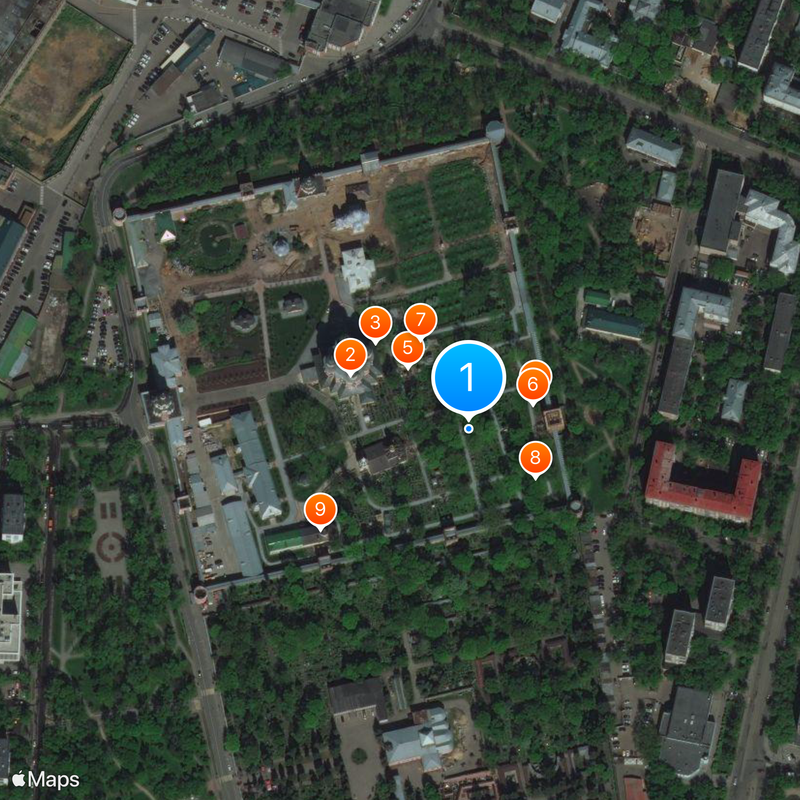
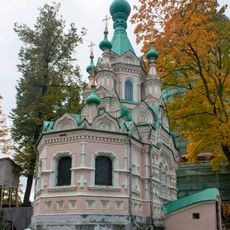
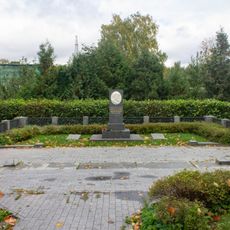
The New Donskoy Cemetery, south of the monastery wall, holds three anonymous pits called "grave No. 1", "No. 2" and "No. 3". The first contains ashes of people shot between 1930 and 1942; Memorial's 2005 lists name 5,068 of the executed. The crematorium in the former Church of Seraphim of Sarov, the first in the USSR, opened on 6 October 1927 and closed in 1992.
The community of curious travelers
AroundUs brings together thousands of curated places, local tips, and hidden gems, enriched daily by 93,359 contributors worldwide.