Kalmar, Hanseatic city in southeastern Sweden
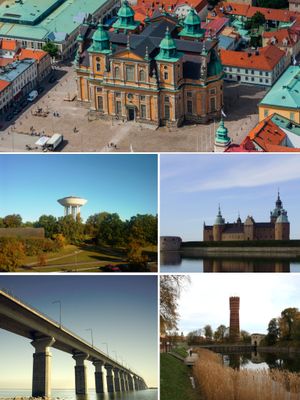
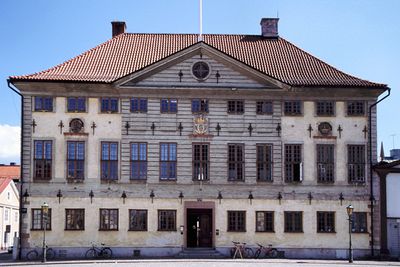
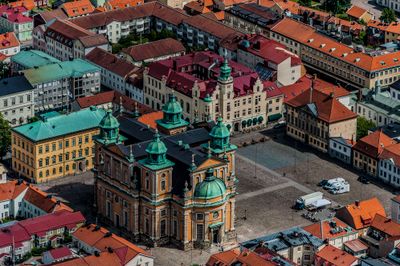
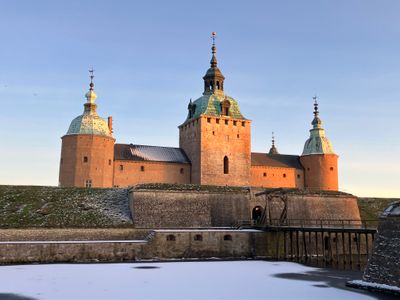
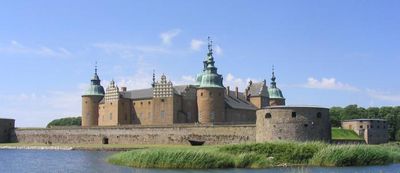
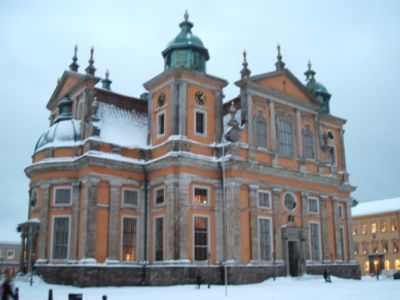
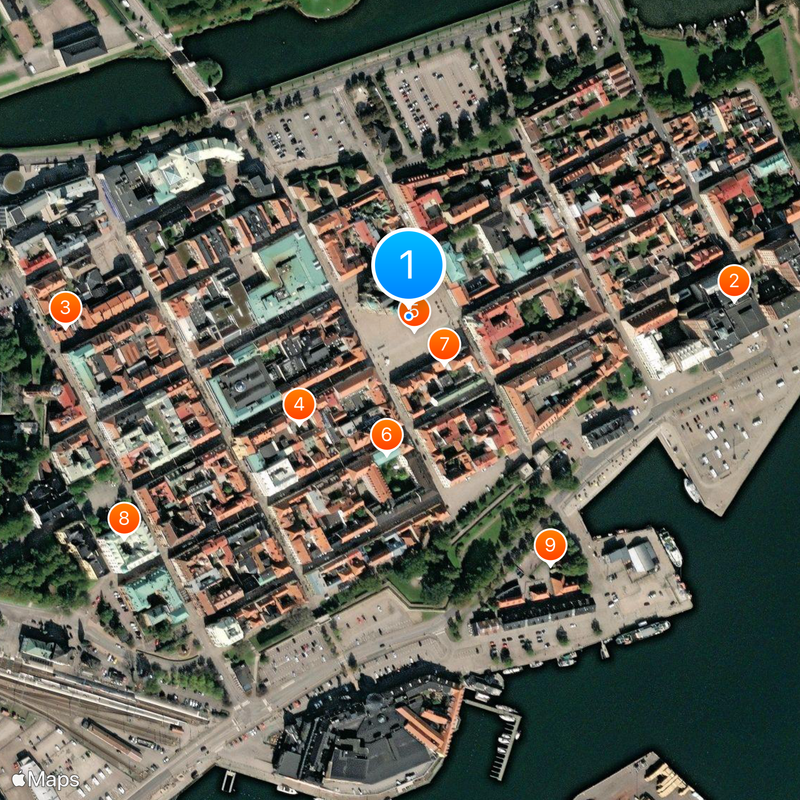
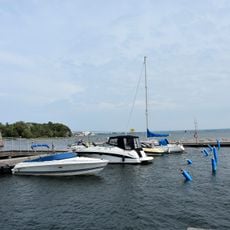
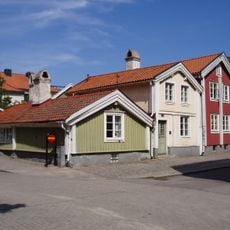
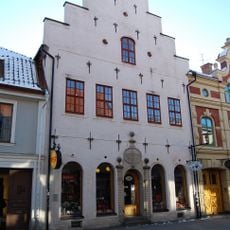
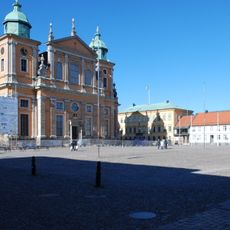
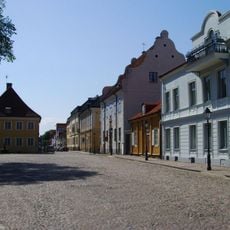
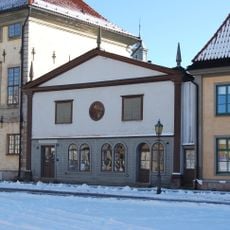
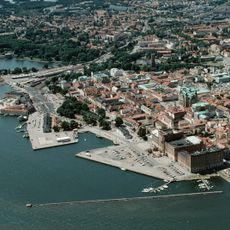
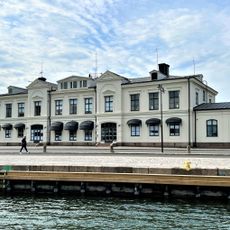
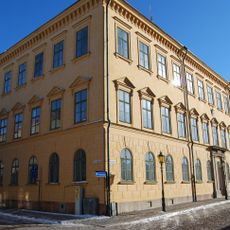
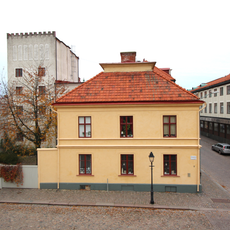
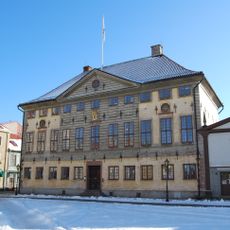
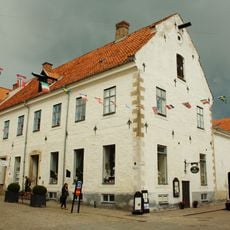
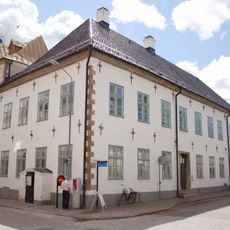
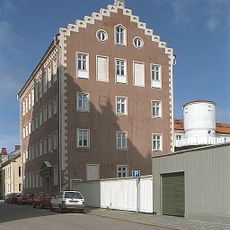
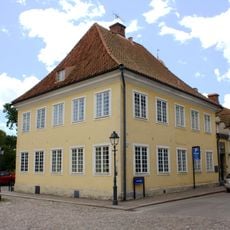
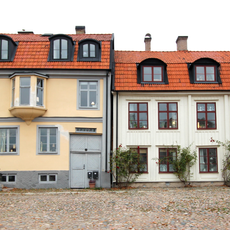
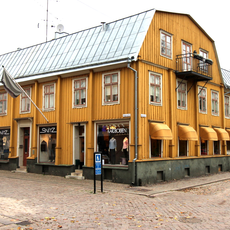
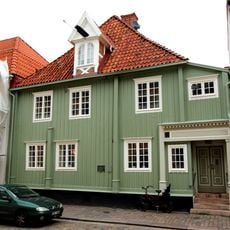
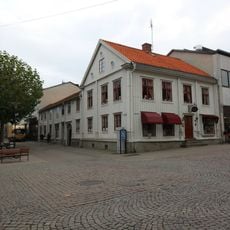
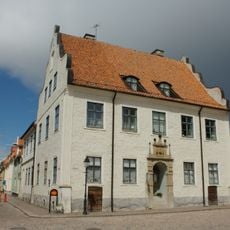
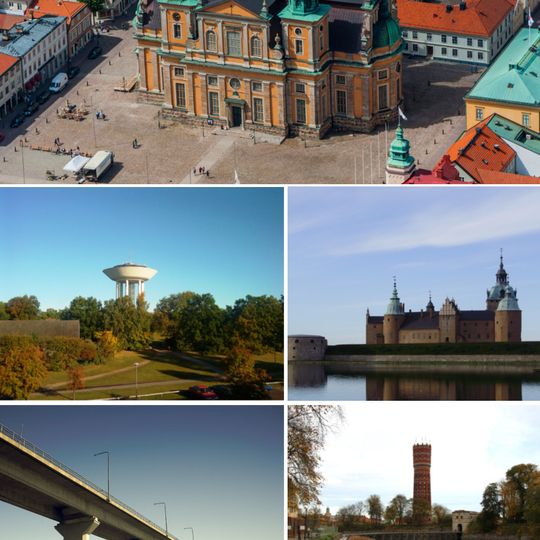
Kalmar is a Hanseatic city on the Baltic Sea coast in southeastern Sweden within Småland province. The city spreads across several districts with residential neighborhoods, parks, and a preserved old town surrounded by water and green spaces.
In 1397, a treaty was signed here uniting Sweden, Denmark, and Norway under one crown, remaining in force until the 16th century. The location had served as a trade hub since medieval times and held strategic importance for the region.
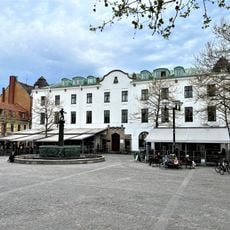
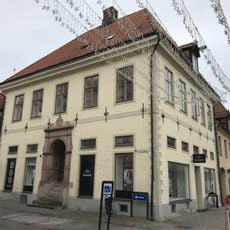
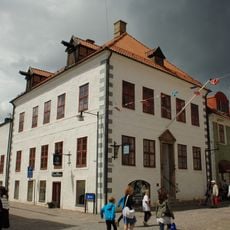
The name comes from the Old Norse word kalmar, which refers to stony ground or rocks and describes the natural setting of the area. Today, the city center serves as a gathering place with pedestrian streets, cafés, and shops where locals go about their daily routines.
A bridge connects the city to the island of Öland and is open to vehicles and pedestrians. The main sights lie within the city center and are easily reached on foot, while buses link the different districts.
Archaeological excavations in the surrounding area have uncovered Stone Age gravefields that date back thousands of years before the city was established. These findings show a long history of settlement that extends far beyond the medieval period.
The community of curious travelers
AroundUs brings together thousands of curated places, local tips, and hidden gems, enriched daily by 60,000 contributors worldwide.