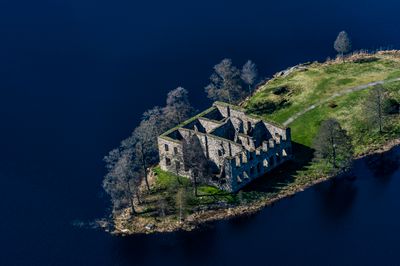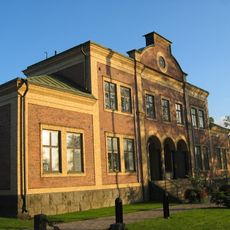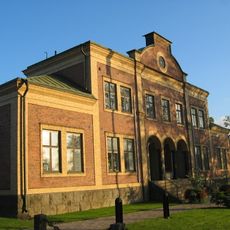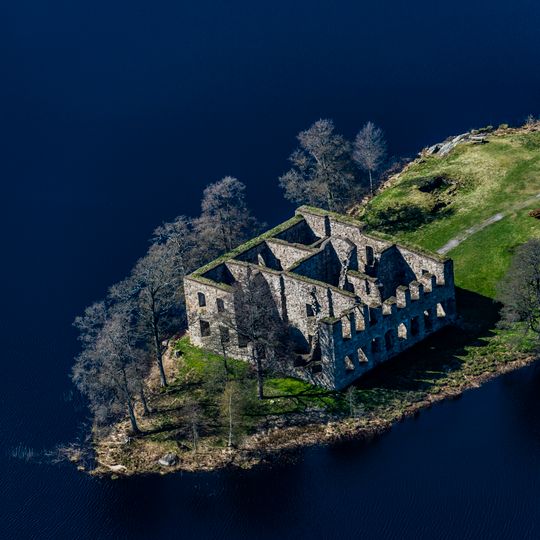
Eksjöhovgård, Castle ruins in Sävsjö, Sweden.
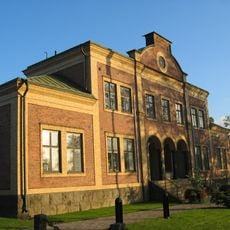
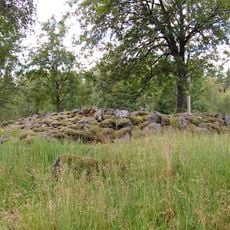
Eksjöhovgård is a stone ruin on an island in the northern part of Lake Eksjöhovgårdssjön, linked to the mainland by a bridge. The remains belong to a three-storey stone house begun by Carl Mauritz Lewenhaupt before 1666, with a defensive tower from the early 16th century. The top floor was demolished in the 1730s, and the copper roof was removed in 1812.
The castle traces its origins to 1287 when it first appeared in written records, later becoming property of the influential Sture family from 1420 to 1616.
The name Eksjöhovgård echoes the medieval farm Ekesio, first recorded in 1287 in Cecilia Elofsdotters' will. The estate later passed to Nydala Abbey and served as the tingsplats of Västra härad. Today the ruin is a listed monument in Fornminnesregistret, and the old estate grounds have long been run as a värdshus.
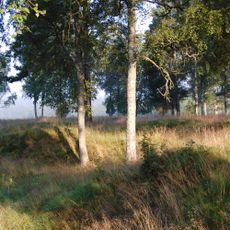
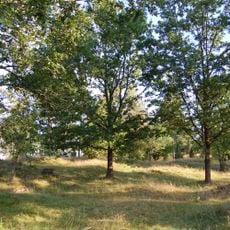
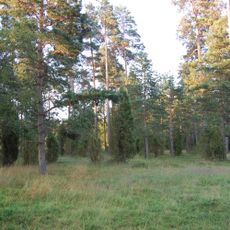
The ruin sits on an island in the northern part of Lake Eksjöhovgårdssjön, linked to the northern shore by a bridge. The site lies east of the railway in Sävsjö, in Vallsjö parish. The structure was restored in 1934 and again in the 1960s and 1980s, so the walls are consolidated rather than freely climbable.
The ruin is depicted on the coat of arms of Sävsjö Municipality, even though the town itself grew up around the railway in the 19th century. The medieval estate of Ekesjö was already recorded in 1287, in the testament of Cecilia Elofsdottir, when the farm steward there received seven ells of cloth.
The community of curious travelers
AroundUs brings together thousands of curated places, local tips, and hidden gems, enriched daily by 94,565 contributors worldwide.