Gothenburg and Bohus County, Former administrative region in western Sweden.
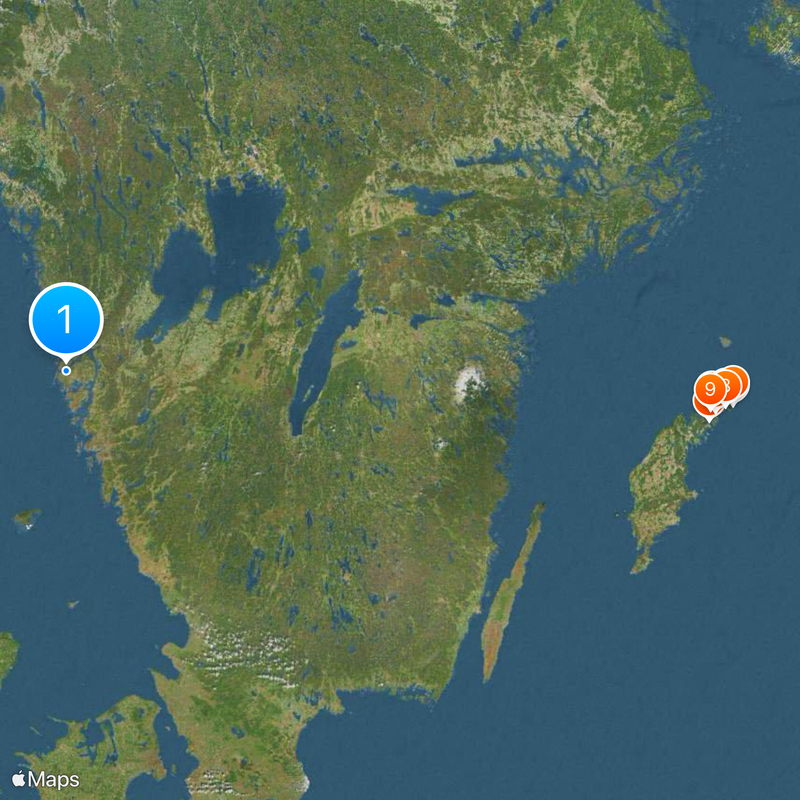
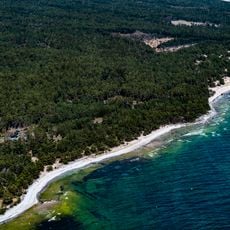
Gothenburg and Bohus County was a former administrative region stretching along Sweden's western coast, including the major port city and numerous islands scattered throughout the Kattegat strait. The territory combined urban centers with small maritime communities and a complex coastline of bays and peninsulas.
The region formed in 1680 when Sweden combined Gothenburg with the northern Bohus area, which it had acquired from Denmark-Norway through the Treaty of Roskilde. It remained a distinct administrative division for over 300 years before merging into Västra Götaland County in 1998.
Fishing and seafaring shaped how people lived and worked along the coast, with maritime traditions becoming central to the region's identity. These practices remain visible today in the fishing villages and port communities.
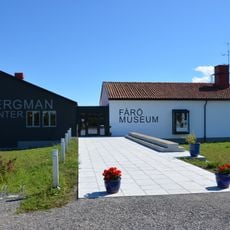
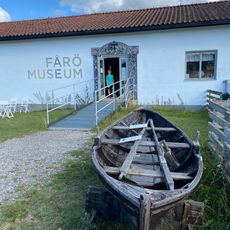
Today this former county no longer exists as a separate administrative region, having merged into Västra Götaland, so visitors exploring this area should look for information about its historical boundaries in local museums. Museums and historical collections throughout the region offer insights into the area's former identity and its role in Swedish history.
The territory contained Sweden's only direct access to the North Sea, a geographical advantage that shaped international trade patterns for centuries. This unique position made it essential for Sweden's maritime commerce and foreign relations.
The community of curious travelers
AroundUs brings together thousands of curated places, local tips, and hidden gems, enriched daily by 91,606 contributors worldwide.