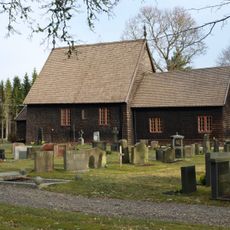
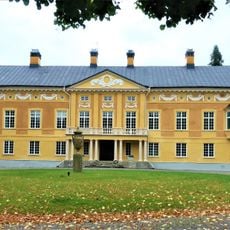
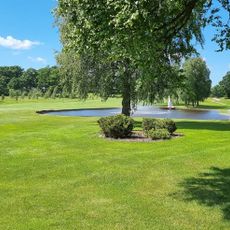
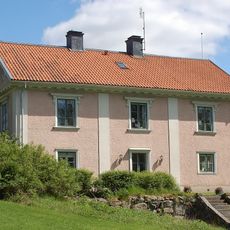
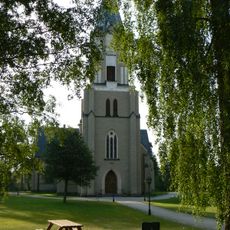
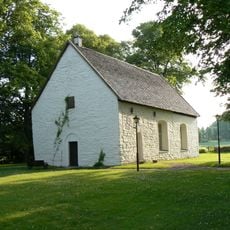
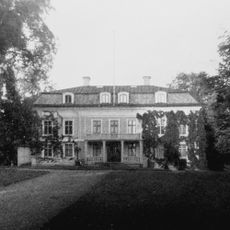
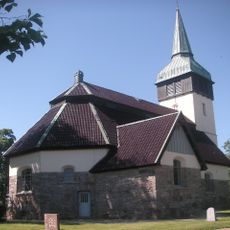
Riseberga Abbey, Cistercian monastery ruins in Lekeberg Municipality, Sweden
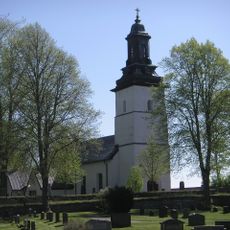
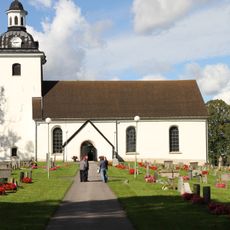
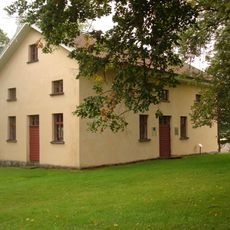
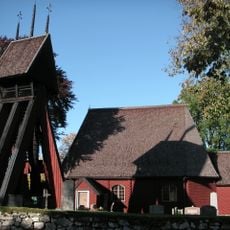
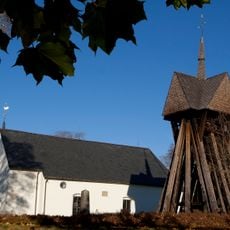
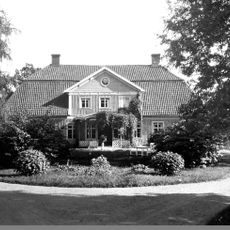
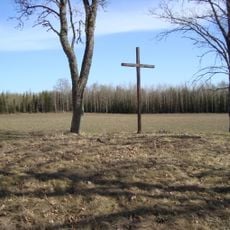
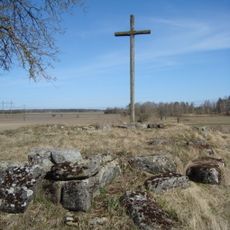
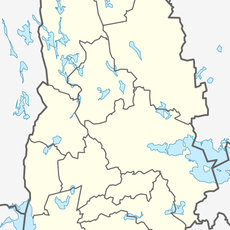
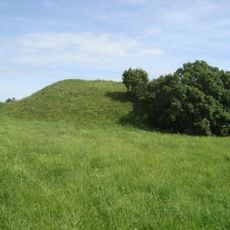
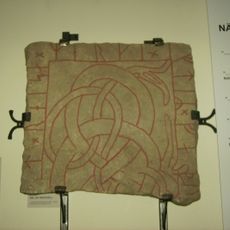
Riseberga Abbey is a Cistercian monastery ruin made of limestone located near Fjugesta in the Närke region within Lekeberg Municipality. Only portions of the original walls remain standing, revealing the scale and construction methods of medieval monastic buildings.
The monastery was founded around 1180 and grew to control extensive lands, mines, and churches throughout the region. It closed during the Swedish Reformation in the early 1500s when religious institutions lost their properties and influence.
The name Riseberga does not refer to stone; the site is known for the legend of "Fair Elisif" (Skön Elisif), a medieval tale associated with the abbey. Visitors can also see the open-air amphitheatre, Sweden's largest outdoor theatre, with 1,216 seats, built on the abbey grounds.
The site is open to visitors year-round and allows free exploration of the ruins and grounds on foot. The level terrain and open layout make it easy to walk around and view the structures from different angles.
Queen dowager Bridget Haraldsdotter, widow of jarl Birger Brosa, became a nun at Riseberga after his death in 1202 and was buried there; she is considered the abbey's first known nun. The land itself had been donated by the couple in 1202.
The community of curious travelers
AroundUs brings together thousands of curated places, local tips, and hidden gems, enriched daily by 94,032 contributors worldwide.