Johannishus Castle, Neoclassical castle in Ronneby, Sweden
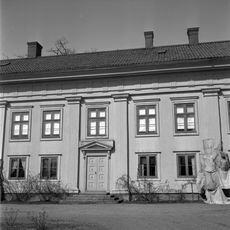
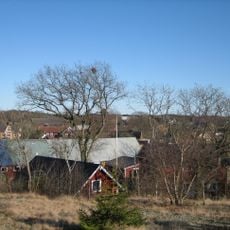
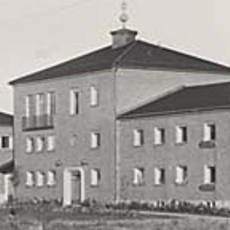
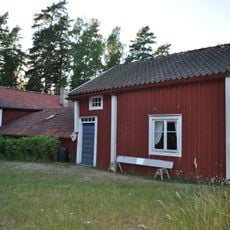
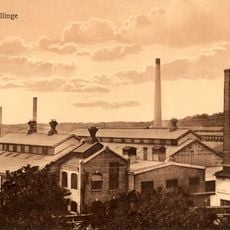
Johannishus Castle is a two-storey, yellow-rendered neoclassical manor house in Ronneby Municipality, designed by Carl Fredric Adelcrantz and completed in 1779. It has a hipped mansard roof with oval dormer windows, projecting end bays on the main facade and strong cornices dividing the floors. A single-storey timbered wing painted yellow and white stands beside it, with farm buildings including a 1760s stone barn quadrangle and a 1919 estate mill.
Landsdomare Nils Skunck obtained sätesfrihet for the estate in 1670, when it was called Skunckenberg. Admiral-general Hans Wachtmeister bought it in 1687 and made it a fideikommiss for his family on 25 October 1712. His grandson Fredrik Georg Hans Carl Wachtmeister had the name changed to Johannishus in 1769 and built the present main building, completed in 1779 to drawings by Carl Fredric Adelcrantz.
The Wachtmeister family's long stewardship has shaped how the place looks and functions as a working estate today. Visitors can see how the buildings and grounds reflect the practices of Swedish nobility across generations.
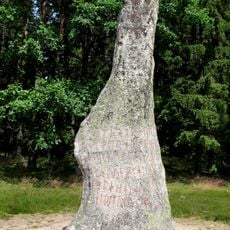
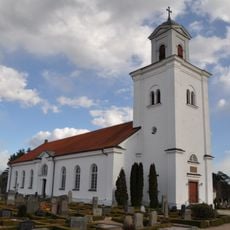
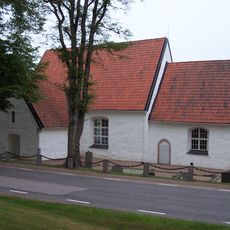
The castle sits at Möllerydsvägen 7 in Ronneby and operates as a private residence with active agricultural use, so visits may be limited. The surrounding area holds other sites to explore, including nearby Hjortsberga Church and Björketorp Runestone.
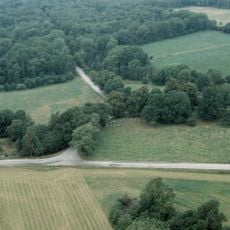
While recognized as a historical monument, the property operates as an active agricultural and forestry business today. This makes it unusual as a place where heritage and modern farming coexist on the same land.
The community of curious travelers
AroundUs brings together thousands of curated places, local tips, and hidden gems, enriched daily by 93,596 contributors worldwide.