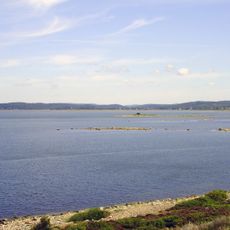
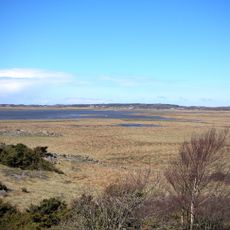
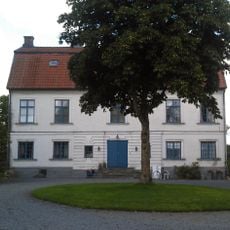
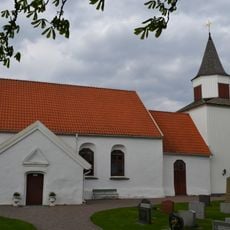
Ås Abbey, Cistercian monastery ruins in Varberg Municipality, Sweden
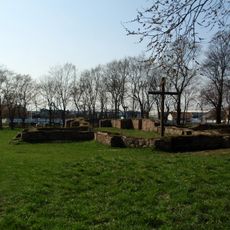
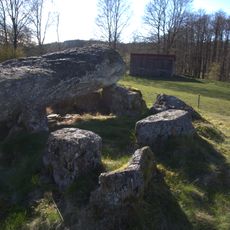
Ås Abbey is the remains of a monastery that once stood in Varberg Municipality, with underground stone floors and wall foundations still visible beneath the ground. These archaeological remnants show how the structure was arranged and what buildings stood on this site centuries ago.
The monastery was founded in 1194 by monks who came from another religious community and settled here to build a new abbey. Over time it became one of the wealthiest establishments of this kind in the region.
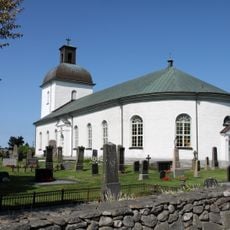
The abbey's name survives in the village of Åskloster, and its Latin name Asylum appears in medieval records. Two or three children of King Magnus Eriksson and Queen Blanka of Namur were buried here in the 14th century. A baptismal font carved from soapstone at Landvetters Church around 1300 is attributed to the abbey's workshop.
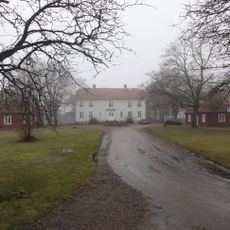
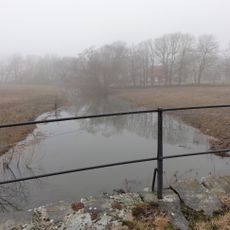
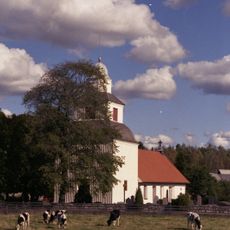
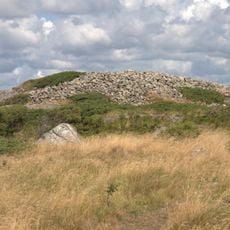
The site lies under and around Åsklosters kungsgård, the manor built between 1806 and 1813 on plans by Carl Hårleman, about 14 km north of Varberg near the Viskan mouth. Nothing stands above ground; look for the two ruin mounds, since the walls lie only centimetres below the surface. The 2009–2010 georadar survey and later excavations located the eastern range, so the exposed area is small.
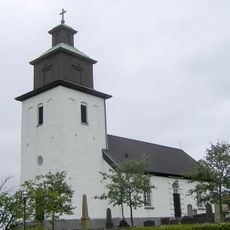
The abbey owned around 250 farms and estates, according to the sources. Its abbot in 1535, when the buildings were destroyed during the Count's Feud, was Mathias Ericsson. A church bell may have been moved to Fotskäl's church at that time.
The community of curious travelers
AroundUs brings together thousands of curated places, local tips, and hidden gems, enriched daily by 93,364 contributors worldwide.